Discover the truth about vehicle air conditioning with insights on myths, efficiency, signs of repair needs, maintenance tips, and performance misconceptions. Vehicle Air Conditioning Myths: What You Need To Know When it comes to vehicle air conditioning, misinformation can lead to confusion and costly repairs.
Many vehicle owners believe common myths that hinder their understanding of how their AC systems operate and how to maintain them effectively. In this article, we will debunk these myths, providing you with essential knowledge to ensure your air conditioning system runs optimally.
From understanding the mechanics behind vehicle air conditioning to recognizing signs of needed repairs, we’ll cover everything you need to maintain a cool and comfortable ride. Additionally, we’ll tackle misconceptions about air tuning and performance, so you can make informed decisions regarding your vehicle’s AC system. Join us as we clarify the facts and provide valuable maintenance tips to keep your car’s air conditioning running smoothly.
Common Vehicle Air Conditioning Myths Debunked
There are several misconceptions about vehicle air conditioning that can lead to confusion among drivers. Let’s take a look at some of the most common myths:
-
- Myth 1: You don’t need to use the A/C in the winter.
Many believe that using the air conditioning system during cooler months is unnecessary. However, running the A/C in winter can help maintain the system’s components and remove moisture from the vehicle, preventing fog on windows.
-
- Myth 2: Air conditioning only cools the air.
While the primary function is cooling, the vehicle air conditioning system also dehumidifies the air, making rides more comfortable, regardless of outside temperatures.
-
- Myth 3: A gas-powered vehicle does not need regular A/C maintenance.
Like any other vehicle component, the A/C system requires regular maintenance, regardless of the vehicle’s power source. Neglecting it can lead to costly repairs down the road.
-
- Myth 4: Closing vents improves the A/C efficiency.
This is a common misconception. Closing vents can disrupt the airflow and make the system work harder, ultimately reducing efficiency. It’s better to keep vents open and balance the airflow.
-
- Myth 5: The A/C can always be recharged.
Many think they can simply recharge their A/C system if it gets low on refrigerant. However, a decline in refrigerant levels often indicates a leak, which should be properly addressed to avoid further damage.
By debunking these myths, you can ensure that your understanding of vehicle air conditioning remains accurate, leading to better maintenance practices and performance.
How Vehicle Air Conditioning Works for Optimal Efficiency
Understanding how vehicle air conditioning systems operate is essential for ensuring optimal efficiency and comfort during your drives. The system performs a vital role in regulating the cabin temperature, making your vehicle a haven during hot weather. Here’s how it all works:
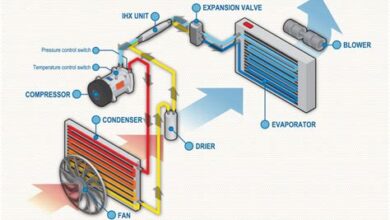
The heart of the vehicle air conditioning system is the compressor. This unit compresses refrigerant, raising its temperature and pressure. The high-pressure refrigerant gas then flows to the condenser, typically located at the front of the vehicle. Here, it is cooled and changed into a liquid state as it passes through a series of coils. The cooling effect helps reduce the temperature of the refrigerant significantly.
Once the refrigerant is in liquid form, it moves to the expansion valve or orifice tube. This component reduces the pressure of the refrigerant, causing it to expand and cool further. The low-pressure refrigerant then enters the evaporator, located inside the vehicle’s cabin. As warm air from the cabin is blown over the evaporator coils, heat is absorbed by the refrigerant, causing it to evaporate back into a gas. This process cools the air, which is then circulated back into the vehicle’s cabin.

The cycle continues as the compressor draws the gaseous refrigerant back in to restart the process. To maximize vehicle air conditioning efficiency, it’s important to maintain this system regularly. Proper maintenance ensures that components are functioning optimally, helping to reduce wear and tear and enhancing overall performance.
Remember, the effectiveness of your vehicle air conditioning also depends heavily on factors like refrigerant levels, the condition of the cabin filter, and the system’s overall cleanliness. Regular checks and servicing can help maintain an efficient air conditioning system, providing you with the cool comfort you need while driving.
Signs Your Vehicle Air Conditioning Needs Repair
Recognizing the signs that your Vehicle Air conditioning system needs repair can save you from a more significant issue down the line. Here are some common indicators to look out for:
- Weak Airflow: If you notice that the airflow from your air conditioning vents is weak, it may indicate a problem with the blower motor or a blockage in the air passages.
- Unpleasant Odors: Foul smells coming from the air conditioning system can signal mold or mildew buildup, which could require professional cleaning or component replacement.
- Strange Noises: Unusual sounds, such as grinding or squealing, can point to issues with essential components, like the compressor or fan blades.
- Warm Air Blowing: If your Vehicle Air system is blowing warm air instead of cold, it may indicate a refrigerant leak or a failing compressor.
- Humidity Inside the Vehicle: An increase in humidity levels or foggy windows when using the AC can mean that the system is not dehumidifying properly, typically due to a malfunctioning evaporator.
- Fluid Leaks: Any visible refrigerant leaks under your vehicle can indicate a significant problem and require immediate attention.
- Frequent Cycling: If the air conditioning system continually turns on and off, it could imply a problem with the pressure switch or the compressor itself.
If you experience any of these signs, it is essential to get your Vehicle Air conditioning system inspected by a qualified technician to prevent potential damage and ensure your comfort while driving.
Maintenance Tips for Keeping Vehicle Air Running Smoothly
Keeping your Vehicle Air conditioning system in top shape not only ensures comfort but also extends the lifespan of your vehicle. Here are some essential maintenance tips to help you achieve optimal performance:

- Regularly check and replace the cabin air filter: A clogged filter can restrict airflow and reduce efficiency. Change it according to the manufacturer’s recommendations, usually every 12,000 to 15,000 miles.
- Inspect the refrigerant levels: Low refrigerant can affect how well your Vehicle Air system functions. If you notice a decrease in cooling performance, it may be time to check for leaks and recharge the refrigerant.
- Run your air conditioning regularly: Even in cooler months, run the AC at least once a month for about 10-15 minutes. This helps keep the system lubricated and prevents seals from drying out.
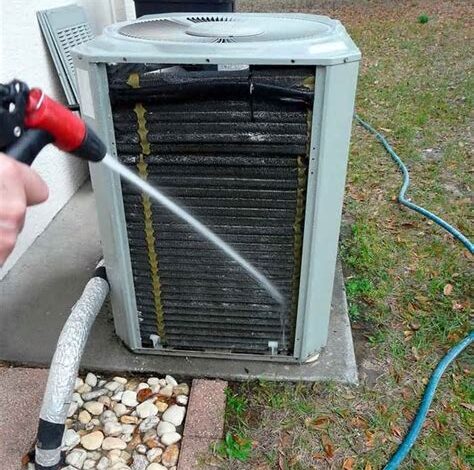
- Clean the exterior condenser: Ensure that the air intake areas and the condenser are free from debris, as this can impede airflow and cooling efficiency.
- Look for wear and tear: Regularly inspect hoses and belts for cracks or signs of wear. Replacing them before they fail can save you from costlier repairs down the road.
- Take your vehicle for regular services: A routine service can catch potential issues before they escalate. Professional mechanics can also provide insights specific to your vehicle model.
By following these maintenance tips, you can ensure that your Vehicle Air conditioning system continues to operate smoothly and efficiently, providing you with comfort no matter the weather outside.
Misconceptions About Vehicle Air Tuning and Performance
When discussing Vehicle Air, many people confuse air conditioning with air tuning as it relates to vehicle performance. Here are some common misconceptions that need to be clarified:
- 1. Air Conditioning Has No Impact on Vehicle Performance: Some believe that the air conditioning system does not affect engine performance. In reality, when the AC is on, it draws power from the engine, which can result in a slight decrease in acceleration or fuel efficiency.
- 2. Upgrading Air Conditioning Always Improves Performance: While modern air conditioning systems can enhance comfort, simply upgrading them does not guarantee better performance. The performance of a vehicle is influenced by various factors, including the engine’s compatibility with the AC system.
- 3. Tuning for Better Fuel Efficiency Means Disabling AC: Many drivers think that disengaging the air conditioning will always yield better fuel economy. However, this is not a foolproof solution; factors like driving habits and vehicle load also greatly influence fuel efficiency.
- 4. Evaporator Cleanliness Doesn’t Affect Performance: Some may disregard the importance of maintaining a clean evaporator. In fact, a dirty evaporator can cause the air conditioning system to work harder, consuming more energy and potentially impacting overall Vehicle Air performance.
- 5. Adding Freon will Instantly Improve AC Performance: It’s a common misconception that simply adding refrigerant can remedy all issues. While maintaining the correct Freon level is crucial, underlying problems must also be addressed for optimum AC functionality.
Understanding these misconceptions can significantly impact vehicle performance and enhance the functionality of your vehicle’s air conditioning system. By clarifying these points, drivers can make better decisions regarding their Vehicle Air systems and overall vehicle maintenance.

Frequently Asked Questions
What is a common myth about vehicle air conditioning systems?
One common myth is that you should always run your air conditioning on the highest setting for maximum cooling. In reality, it’s often more efficient to start on a lower setting and gradually increase it as needed.
Does using the air conditioning affect fuel efficiency?
Yes, using the air conditioning can decrease fuel efficiency, especially in smaller, older vehicles. The compressor requires extra engine power, which can lead to increased fuel consumption.
Is it necessary to run the air conditioning in winter months?
While it may seem counterintuitive, it can be beneficial to run your AC during winter to help remove moisture from the car and prevent fogging on the windows. However, it’s not mandatory.
Can leaving the windows down while driving save air conditioning energy?
This is a debated myth. While open windows can reduce the need for AC, they can also increase drag, which might lead to greater fuel consumption at higher speeds. It’s generally more efficient to use AC at highway speeds.
Will servicing my air conditioning system improve its performance?
Yes, regular servicing can enhance performance. This includes checking for leaks, recharging refrigerant, and replacing worn components, all of which can ensure your system runs efficiently and effectively.
How often should I recharge my vehicle’s air conditioning?
It is typically recommended to recharge your vehicle’s air conditioning system every one to two years, but it varies based on vehicle usage and age. Always check your owner’s manual for specific recommendations.
Are aftermarket air conditioning systems worth it?
Aftermarket air conditioning systems can be a viable option for older vehicles without AC; however, it’s important to research quality and compatibility and to have the system installed by a professional to ensure effectiveness.