Explore how air quality affects health, vehicle performance, and air conditioning systems. Discover tips for maintenance and understand the long-term implications of neglect. The Impact Of Air Quality On Vehicle Air Conditioning In today’s fast-paced world, the quality of the air we breathe plays a vital role in our overall health and vehicle performance.
As urban pollution rises and allergens become more prevalent, understanding the interplay between air quality and your vehicle’s air conditioning system is crucial. Poor air quality can negatively affect not only the health of passengers but also the efficiency and functionality of your car’s cooling system.
This article will delve into the significant impact of air quality on health, explore how air conditioning systems operate under compromised conditions, and provide actionable insights to improve your car’s air quality. By recognizing the long-term effects of neglecting air quality in vehicle maintenance, you can ensure a healthier, more efficient driving experience. Join us as we navigate these essential aspects of vehicle care and air quality.
Understanding The Impact Of Air Quality On Health
The quality of air we breathe is intimately connected to our overall health, influencing not only respiratory conditions but also cardiovascular issues and even mental well-being. Exposure to poor air quality, laden with pollutants such as particulate matter, nitrogen dioxide, and volatile organic compounds, can exacerbate pre-existing health issues or lead to new health challenges. For instance, research indicates that prolonged exposure to these pollutants can result in chronic respiratory diseases, increased hospital admissions for asthma, and even a decline in lung function over time.
Moreover, poor air quality can severely affect vulnerable populations, including children, the elderly, and individuals with pre-existing health conditions. The impact extends beyond immediate respiratory symptoms, potentially linking to long-term health problems such as heart disease and stroke. Studies have shown that air pollution is a significant risk factor for cardiovascular diseases, as fine particles can enter the bloodstream and cause systemic inflammation.
In the context of vehicle air conditioning, when outside air quality is poor, not only does the vehicle’s air filtration system battle against pollutants, but passengers inside are also at risk of inhaling contaminated air. This could lead to a myriad of health issues, especially during prolonged exposure in congested traffic or urban environments with low air quality.
Thus, understanding the impact of air quality on health underscores the importance of maintaining optimal air standards inside our vehicles as well as in our external environments. Efforts to improve air quality, both inside and outside vehicles, are essential for enhancing public health and lowering healthcare costs associated with air pollution-related diseases.
How Vehicle Air Conditioning Systems Function In Poor Air Quality
Vehicle air conditioning systems are designed to maintain a comfortable climate inside the car, but their functionality can be significantly impacted by the impact of poor air quality. When outside air contains pollutants such as dust, smoke, or smog, the air conditioning system faces challenges in filtering and circulating clean air.
Here’s how these systems operate under such conditions:
1. Air Intake and Filtration: The air conditioning system typically draws air from outside the vehicle through the air intake vents. When the air quality is poor, the filters used to purify the forced air may become clogged with pollutants, significantly reducing their effectiveness.
2. Recirculation Mode: Most air conditioning systems have a recirculation mode that allows the vehicle to reuse the air inside, which can mitigate the effects of external air pollution. However, prolonged use of this mode may lead to a buildup of CO2 and stale air if the intake isn’t opened occasionally.
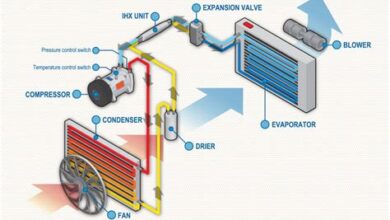
3. Cooling System Performance: The efficiency of the cooling system can also be compromised in poor air quality conditions. Dust and pollutants can accumulate on the condenser coils, resulting in lower heat exchange efficiency, decreased cooling effectiveness, and increased strain on the system.
4. Health Concerns: As the vehicle’s air conditioning struggles to function optimally, occupants may experience elevated levels of allergens and irritants, aggravating respiratory conditions and overall well-being.
5. Regular Maintenance: To combat these impacts, regular maintenance is crucial. Changing air filters and cleaning the system components can improve air quality inside the vehicle and enhance the performance of the air conditioning system.
With an understanding of how vehicle air conditioning systems interact with poor air quality, car owners can take necessary steps to ensure their systems function efficiently, ultimately improving the driving experience and safeguarding health.
The Impact Of Air Quality On Vehicle Performance And Efficiency
The impact of air quality on vehicle performance and efficiency is significant and multifaceted. Poor air quality can negatively affect how a vehicle operates, leading to various complications that can hinder overall performance.
When the air quality outside is compromised, for instance, due to high levels of pollution or particulate matter, it can exacerbate the wear and tear on engine components. Dirt and contaminants can accumulate within the engine and fuel system, which may lead to decreased fuel efficiency and increased emissions. This not only affects the vehicle’s performance but also contributes to a larger environmental issue.

Furthermore, modern vehicles rely on intricate sensors and systems to optimize performance. These systems perform best when they receive clean air for combustion. In polluted areas, the contamination can lead to faulty readings, forcing the vehicle’s Engine Control Unit (ECU) to alter fuel-to-air ratios. This adjustment can cause the engine to run less efficiently, possibly resulting in higher fuel consumption and reduced power output.
Another aspect to consider is how air quality impacts tire performance. Contaminants can find their way into tire materials and degrade their integrity, affecting traction and handling. This can pose safety issues along with reducing overall efficiency as more energy is required to maintain speed and control.
To sum it up, the impact of air quality extends beyond health concerns—it directly correlates with a vehicle’s operational efficiency. Regular vehicle maintenance, including ensuring clean air filters and fostering awareness around driving in low-quality air environments, can help mitigate these issues, ultimately enhancing vehicle performance and longevity.
Improving Your Car’s Air Conditioning: Tips For Better Air Quality
Maintaining optimal air quality within your vehicle is essential for both comfort and health. As we explore The Impact of air quality on vehicle air conditioning, here are some practical tips to enhance your car’s air conditioning system and improve air quality:
- Regular Filter Changes: Replace your cabin air filter regularly to ensure that pollutants, allergens, and dust do not enter your vehicle. A clean filter enhances airflow and air quality.
- Keep Windows Closed: During periods of high pollution, keeping windows closed limits the amount of outside air and contaminants entering your vehicle.
- Use Recirculation Mode: Activate the recirculation feature on your air conditioning system to filter and reuse the air inside the cabin instead of drawing in polluted air from outside.
- Regular System Maintenance: Schedule regular check-ups for your air conditioning system. A well-maintained system operates more efficiently, helping to maintain better air quality.
- Clean Air Vents: Periodically clean the air vents to prevent bacteria and mold growth, which can worsen air quality. Use a soft brush or a vacuum with a suitable attachment for this task.
- Avoid Strong Odors: Minimize exposure to strong odors in your vehicle, including food or smoking, as they can negatively impact the air quality inside.
- Utilize Air Purifiers: Consider investing in a portable car air purifier that can help eliminate contaminants and improve the air quality within your vehicle.
By implementing these tips, you can significantly boost the air quality inside your vehicle, ensuring a healthier and more pleasant driving experience. Each of these strategies reflects how The Impact of air quality directly influences the efficiency and performance of your vehicle’s air conditioning system.
Long-Term Effects Of Neglecting Air Quality In Vehicle Maintenance
Neglecting the air quality within your vehicle can lead to significant long-term repercussions, both for your health and the overall performance of your vehicle. The buildup of pollutants, allergens, and other particulates can progressively affect your vehicle’s air conditioning system, leading to inefficiencies that compound over time.
One of the most immediate consequences of poor air quality is the deterioration of the vehicle’s cabin air filter. Over time, a dirty or clogged filter can reduce airflow, causing your air conditioning system to work harder than necessary. This not only results in higher energy consumption but can also lead to premature wear on the AC components, which may necessitate costly repairs or replacements.
Furthermore, a neglected air quality environment can contribute to the growth of mold and bacteria in the HVAC system. This not only compromises the air quality that you breathe inside your vehicle but can also lead to unpleasant odors. Long-term exposure to these contaminants can result in respiratory issues or exacerbate existing health conditions.
By failing to maintain a clean and healthy air quality within your vehicle, you may also experience a decrease in overall vehicle performance. The air conditioning system might struggle to maintain desired temperatures, which can lead to increased fuel consumption as the engine works harder to compensate for the inefficiencies.

The long-term effects of neglecting air quality in vehicle maintenance can be significant. The impact includes higher maintenance costs, health risks from poor air quality, and decreased vehicle efficiency. Regular checks and maintenance of air filters and the AC system are vital for ensuring a healthy driving environment and prolonging the life of your vehicle’s systems.
Frequently Asked Questions
How does air quality affect the efficiency of vehicle air conditioning systems?
Poor air quality can reduce the efficiency of vehicle air conditioning systems by introducing pollutants and particulates into the cabin, causing the system to work harder to filter and cool the air.
What are common pollutants that can impact air quality inside vehicles?
Common pollutants include particulate matter, nitrogen oxides, carbon monoxide, volatile organic compounds, and allergens, all of which can compromise the air quality inside vehicles.
Can vehicle air conditioning systems improve air quality?
Yes, modern vehicle air conditioning systems often include filtration systems that can help improve indoor air quality by removing dust, pollen, and other contaminants.
How can drivers improve air quality when using air conditioning in their vehicles?
Drivers can improve air quality by using recirculation mode to reduce the intake of outside air, regularly replacing cabin air filters, and maintaining the air conditioning system.
What role do cabin air filters play in maintaining air quality?
Cabin air filters trap pollutants and allergens before they enter the vehicle’s cabin, helping to maintain a healthier and more comfortable environment for passengers.
Are there specific air conditioning settings that can mitigate the effects of poor air quality?
Using the vehicle’s recirculation setting can help minimize the intake of outdoor air pollutants, while also ensuring the air conditioning is not overburdened by external contaminants.
How can poor air quality impact the health of passengers in a vehicle?
Prolonged exposure to poor air quality in vehicles can lead to respiratory issues, headaches, fatigue, and exacerbation of existing health conditions, emphasizing the importance of maintaining good indoor air quality.