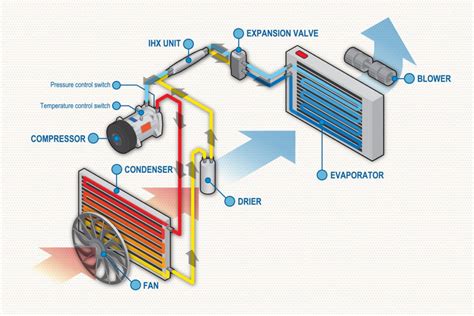
Explore common vehicle air conditioning issues, understand their causes, learn diagnostic methods, discover effective solutions, and find prevention tips to ensure optimal performance. When it comes to ensuring a comfortable driving experience, a well-functioning vehicle air conditioning system is essential.
However, many car owners encounter common issues that can disrupt this comfort and compromise the efficiency of their vehicles. In this article, we delve into the various challenges associated with vehicle air conditioning systems, exploring how to identify and diagnose these problems effectively.
By understanding the underlying causes and learning about effective solutions, vehicle owners can take proactive steps to maintain their AC systems. Moreover, we’ll highlight preventative measures to mitigate future issues, ensuring that your air conditioning system remains in top-notch condition. Join us as we navigate the intricacies of vehicle air conditioning, from troubleshooting common faults to maintaining optimal performance.
Identifying Common Issues With Vehicle Air Conditioning Systems
Identifying common issues with vehicle air conditioning systems is crucial for maintaining comfort while driving, especially in extreme weather conditions. Here are some signs that may indicate a problem:
1. Weak Airflow: If the airflow from your AC vents seems weak, it could indicate a blockage in the ductwork, a failing blower motor, or an issue with the AC compressor.
2. Unpleasant Odors: Foul smells emanating from the air conditioning system may point to mold or mildew buildup in the evaporator, or possibly a refrigerant leak.
3. Warm Air Instead of Cold: If the AC is blowing warm air, it may be due to low refrigerant levels, a malfunctioning compressor, or an issue with the expansion valve.
4. Strange Noises: Unusual sounds such as squealing or grinding when the AC is turned on can indicate problems with the compressor or other internal components.
5. Moisture Build-up: Excessive condensation or puddling water inside or around the vehicle can indicate a clogged drain line or a refrigerant leak.
Recognizing these signs early can help mitigate more severe issues and costly repairs down the line, ensuring your vehicle’s air conditioning system operates efficiently.
Understanding Causes Behind Vehicle Air Conditioning Problems
Vehicle air conditioning systems are crucial for comfort, especially during hot weather. However, several common issues can arise that may hinder their performance. Understanding the root causes of these problems is essential for effective diagnosis and resolution.
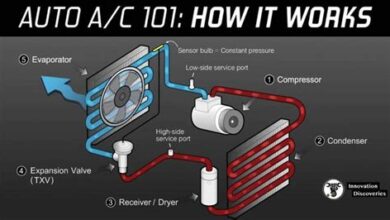
1. Refrigerant Leaks: One of the most frequent issues is refrigerant leakage. When the cooling agent leaks, the air conditioning system cannot maintain the required pressure, leading to poor cooling performance.
2. Faulty Compressor: The compressor is a vital component that circulates the refrigerant. A malfunctioning compressor can result in insufficient cooling, often due to electrical failures or mechanical wear and tear.
3. Electrical Issues: Electrical connections, including fuses and relays, may fail over time, leading to a non-functional air conditioning system. Additionally, issues with the control unit could also result in inconsistent cooling.
4. Clogged Condenser: The condenser removes heat from the refrigerant before it enters the cabin. If it becomes clogged with dirt and debris, the airflow is restricted, which can cause overheating and inadequate cooling.
5. Blocked Cabin Air Filter: A clean cabin air filter is essential for ensuring the airflow into the vehicle is unobstructed. If this filter is blocked, it can lead to poor air quality and reduced cooling efficiency.
Recognizing these underlying causes can facilitate timely repairs and maintain optimal functionality of vehicle air conditioning systems. Addressing the common issues promptly not only enhances comfort but also improves the longevity of the entire system.

How To Diagnose Common Issues In Air Conditioning Systems
Diagnosing common issues in vehicle air conditioning systems requires a systematic approach to identify the root cause of the malfunction. Here are the steps you can follow to effectively diagnose these problems:
- Check for Obvious Signs: Begin by inspecting the air conditioning system visually. Look for any signs of leaks, unusual noises, or components that appear worn or damaged.
- Assess System Performance: Turn on the system and observe its performance. Are the vents blowing cold air? Is the airflow strong? A noticeable difference can help pinpoint issues.
- Listen for Unusual Noises: Pay attention to any strange sounds. A clicking or grinding sound could indicate a problem with the compressor, whereas hissing might suggest a refrigerant leak.
- Check Air Conditioning Controls: Ensure that the controls are functioning properly. If there are no responses from the buttons or knobs, the issue may stem from electrical components.
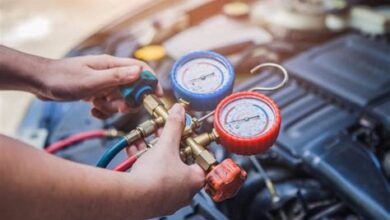
- Use Diagnostic Tools: Employ tools like a refrigerant gauge to check the pressure levels in the system. Proper pressure readings can point you toward specific problems.
- Inspect the Cabin Air Filter: A clogged or dirty cabin air filter can restrict airflow, impacting the system’s performance. It’s essential to change the filter regularly.
- Examine the Compressor: Ensure that the compressor is engaging properly when the system is turned on. If it doesn’t activate, the problem might be electrical or related to low refrigerant levels.
- Assess Refrigerant Levels: An insufficient amount of refrigerant can lead to poor cooling performance. Checking and recharging refrigerant levels if needed is a critical step.
- Inspect Electrical Connections: Ensure that all electrical connections are secure and free from corrosion. Faulty wiring can lead to system failures.
- Consult Professional Help: If you’re unable to diagnose the issue, it may be best to consult a professional mechanic with experience in air conditioning systems.
Understanding the diagnosis process is crucial in addressing common issues effectively, ultimately leading to better performance and longevity of your vehicle’s air conditioning system.
Effective Solutions For Common Air Conditioning Issues
Addressing common issues with vehicle air conditioning systems requires a mix of immediate fixes and long-term strategies. Here are some effective solutions to rectify the most frequent problems:

- Low Refrigerant Levels: If you notice reduced cooling efficiency, it may be due to low refrigerant. The solution involves locating leaks, usually in the hoses or fittings, and having the refrigerant system recharged.
- Dirty Filters: Clogged cabin air filters can restrict airflow. Regularly replacing or cleaning the filters will enhance system performance and air quality.
- Faulty Compressor: If the compressor isn’t engaging, check the electrical connections and fuses. If they are intact, the compressor may need to be replaced or repaired.
- Blocked Condenser: Debris accumulation can obstruct the condenser. Periodic cleaning of the condenser can significantly improve air conditioning effectiveness.
- Electrical Issues: Wiring problems or blown fuses can lead to system failure. Conducting regular inspections can help in identifying and correcting these problems early.
- Faulty Blower Motor: If the blower motor isn’t functioning, the air won’t circulate properly. Inspecting and replacing defective blower motors can resolve this issue.
- Thermostat Problems: If the air conditioning temperature isn’t regulated properly, checking and adjusting the thermostat can help ensure optimal performance.
- Evaporator Issues: If you notice a musty smell or moisture inside the vehicle, it may be due to a malfunctioning evaporator. Regular servicing and cleaning can prevent such blockages.
- Regular Maintenance: Schedule routine check-ups and maintenance to ensure all components are functioning optimally and to catch any issues before they escalate.
By implementing these solutions, you can effectively manage the common issues associated with vehicle air conditioning systems, improving its efficiency and prolonging its lifespan.
Preventing Future Common Issues With Proper Maintenance
Maintaining your vehicle’s air conditioning system is crucial in preventing common issues from arising. Regular maintenance not only extends the lifespan of the AC system but also ensures that it operates efficiently. Here are some effective strategies to keep your air conditioning system in top shape:
- Regular Inspections: Schedule routine inspections at least once a year. A technician can identify potential problems before they escalate.
- Replace Cabin Air Filters: Check and replace cabin air filters according to the manufacturer’s recommendations. Clogged filters can reduce airflow and efficiency.
- Maintain Refrigerant Levels: Ensure that the refrigerant is at the proper level. Low refrigerant can lead to poor cooling performance.
- Clean Condenser Coils: Dust and debris can accumulate on condenser coils. Regular cleaning ensures optimal heat exchange.
- Run the AC Regularly: Even in colder months, run your AC for a few minutes to keep the system lubricated and prevent seals from drying out.
These preventive measures can significantly reduce the likelihood of experiencing common issues with your vehicle’s air conditioning system, ensuring comfort and reliability during your drives.

Frequently Asked Questions
What are some common signs that my vehicle’s air conditioning system is malfunctioning?
Common signs include weak airflow, strange noises, strange smells, and the air not getting cold enough, indicating a potential refrigerant leak or compressor issue.
How often should I have my vehicle’s air conditioning system inspected?
It’s recommended to have your air conditioning system inspected at least once a year, typically before the summer season, to ensure it’s in proper working condition.
What causes the air conditioner to blow warm air?
Warm air can be caused by low refrigerant levels due to leaks, a faulty compressor, or electrical issues within the air conditioning system.
Is it normal for my vehicle’s air conditioning system to make noise?
While some noise is normal, excessive or unusual sounds can indicate issues, such as a failing compressor or debris in the system.
How can I prevent issues with my vehicle’s air conditioning system?
Regular maintenance, such as checking refrigerant levels, replacing cabin air filters, and ensuring the system is free from debris, can help prevent issues.
What should I do if I suspect my vehicle’s air conditioning has a refrigerant leak?
If you suspect a refrigerant leak, it is best to take your vehicle to a qualified mechanic who can conduct a thorough inspection and repair the issue correctly.
Can extreme temperatures affect my vehicle’s air conditioning performance?
Yes, extreme heat or cold can impact the performance of your air conditioning system, potentially leading to reduced efficiency or failure to operate properly.