The Connection Between Vehicle Air Conditioning And Engine Performance

Explore vehicle air conditioning systems, their impact on engine performance, maintenance importance, malfunction signs, and tips for enhancing engine efficiency. When it comes to vehicle maintenance, the significance of air conditioning systems often goes overlooked.
However, the connection between your vehicle’s air conditioning and its engine performance is crucial for ensuring an efficient driving experience. An optimized air conditioning system not only enhances passenger comfort but also plays a vital role in maintaining engine health, particularly under demanding conditions. Understanding how these systems interrelate can help vehicle owners make informed decisions about maintenance and repairs.
In this article, we will delve into the fundamentals of vehicle air conditioning, explore its impact on engine performance, highlight the importance of regular maintenance, and identify signs of potential malfunctions. With the right knowledge, you can improve overall engine efficiency and enjoy a smoother ride. Join us as we uncover the essential connections between these two critical components of your vehicle.
Understanding The Basics Of Vehicle Air Conditioning Systems
Vehicle air conditioning systems play a crucial role in providing comfort to drivers and passengers, especially in warm weather conditions. Understanding the fundamentals of how these systems operate is essential for recognizing the connection between air conditioning and engine performance.
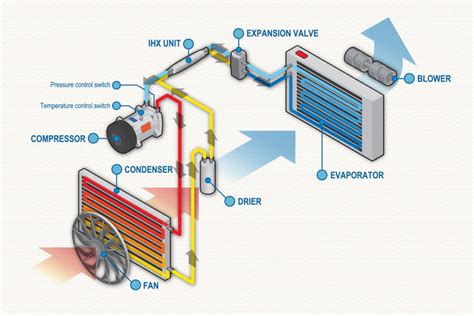
At the heart of a vehicle’s air conditioning system is the refrigerant, a fluid that absorbs and releases heat as it circulates through the system. The cycle begins at the compressor, which pressurizes the refrigerant, turning it into a high-pressure gas. This gas then travels to the condenser, where it dissipates heat and transforms into a liquid state.
Once in liquid form, the refrigerant flows to the expansion valve or orifice tube. This component allows the refrigerant to expand and cool down, turning it back into a low-pressure gas as it enters the evaporator. Inside the evaporator, the refrigerant absorbs heat from the vehicle’s interior, cooling the air before it flows into the cabin through the blower fan.
This cycle is essential for cooling the vehicle, but it also places a demand on the engine. When the air conditioning is engaged, the compressor requires power, which is derived from the engine’s rotational energy. This is where the connection between the air conditioning system and engine performance becomes significant, as an overloaded engine may struggle to maintain performance levels under additional load.
To ensure optimal performance, it is vital to keep the entire air conditioning system well-maintained. Regular checks can prevent potential malfunctions that may affect both the comfort of the passengers and the efficiency of the engine.
How The Connection Impacts Engine Performance Under Load
The relationship between vehicle air conditioning and engine performance is particularly noticeable when the engine is under load. In this context, understanding The Connection becomes crucial for vehicle efficiency and reliability. When the air conditioning is activated, it places additional demand on the engine, which can lead to several performance considerations.
When the air conditioning system operates, a belt connected to the engine powers the compressor. This added load can cause a temporary decrease in engine power, affecting acceleration and overall performance. For example, when driving up a hill or during heavy traffic, the engine must work harder to maintain speed while simultaneously powering the air conditioning system, leading to a noticeable impact on performance.

Furthermore, if the air conditioning system is not well-maintained, its efficiency can drop significantly, requiring even more energy from the engine. Issues such as low refrigerant levels or a failing compressor can exacerbate this problem, resulting in poorer engine performance and increased fuel consumption.
The implications of The Connection between air conditioning and engine performance under load are vital. Proper maintenance of the air conditioning system can mitigate these impacts, ensuring that both the vehicle’s cabin remains comfortable and the engine operates efficiently under various driving conditions.
Importance Of Regular Maintenance For Optimal Performance
To ensure that the vehicle’s air conditioning system and engine are working harmoniously, regular maintenance is crucial. Neglecting this aspect can lead to reduced efficiency and negatively impact The Connection between the two systems.
Routine checks and servicing help to identify any potential issues before they escalate, helping maintain optimal performance. Key maintenance tasks include:
- Checking refrigerant levels: Low refrigerant can hinder the cooling performance of the AC system, which in turn can affect engine performance when the AC is under heavy load.
- Inspecting the compressor: The compressor is vital for the AC system’s functionality; ensuring it operates smoothly prevents unnecessary strain on the engine.
- Cleaning or replacing filters: Clogged filters restrict airflow, which may make the AC unit work harder, consequently impacting engine efficiency.
- Examining belts and hoses: Worn or damaged belts and hoses can lead to AC failure or leaks, causing the engine to work inefficiently.
- Checking for leaks: Any refrigerant leaks can not only affect AC performance but also drain engine power.
Incorporating these maintenance practices into your vehicle care routine can significantly enhance both air conditioning performance and engine efficiency. This integral connection ensures that drivers can enjoy a comfortable ride without compromising on power or performance.
Signs Of A Malfunctioning Air Conditioning System
Detecting issues with your vehicle’s air conditioning system early can prevent larger problems and maintain the connection between air conditioning performance and engine efficiency. Here are some common signs that indicate a malfunctioning air conditioning system:
- Weak Airflow: If you notice that the air coming from the vents is weak, it may indicate a blockage in the system or a failing blower motor.
- Unpleasant Odors: Foul smells can signal the presence of mold or bacteria growing within the system, potentially affecting both air quality and engine performance.
- Inconsistent Cooling: If the air conditioner doesn’t cool the vehicle consistently or goes from cold to warm without reason, there might be an issue with the refrigerant levels or the compressor.
- Strange Noises: Unusual sounds such as grinding or squealing when the air conditioner is running can indicate mechanical problems within the system.
- Visible Leaks: Any fluid pooling under the vehicle or around the air conditioning unit can suggest refrigerant leakage or other fluid issues that may affect overall performance.
- Increased Fuel Consumption: A malfunctioning air conditioning system can lead to increased strain on the engine, causing it to consume more fuel than normal.
By being vigilant for these signs, you can maintain the vital connection between your vehicle’s air conditioning system and engine performance, ultimately enhancing the longevity and efficiency of your vehicle.

Improving Engine Efficiency Through Effective Air Conditioning
Effective air conditioning not only enhances passenger comfort in vehicles but also plays a significant role in improving engine efficiency. The connection between a well-functioning air conditioning system and optimal engine performance should not be underestimated. When the air conditioning system operates efficiently, it reduces the overall strain on the engine, allowing it to perform better under various conditions.
One of the primary ways effective air conditioning contributes to engine efficiency is through the management of cabin temperature. By maintaining a cooler cabin environment, the engine does not have to work as hard to produce additional power to compensate for the heat. This reduces the overall load on the engine, leading to improved fuel efficiency.
Moreover, a properly functioning air conditioning system helps in regulating the internal temperature of the engine. Overheating can lead to decreased performance and increased wear on engine components. Effective cooling from the air conditioning system supports the engine’s optimal operating temperature, which is essential for enhancing its performance.
Additionally, the connection between air conditioning performance and engine efficiency is highlighted during idling situations. In stop-and-go traffic, a well-maintained air conditioning system can reduce engine load by using less energy while still offering adequate cooling. This is particularly beneficial for drivers in urban settings, where efficient engine performance is crucial for reducing fuel consumption.
Maintaining your vehicle’s air conditioning system not only ensures comfort but also significantly impacts engine efficiency. By reducing the load on the engine and preventing overheating, drivers can enjoy longer-lasting engine performance and improved fuel economy.

Frequently Asked Questions
How does air conditioning use impact engine performance?
The air conditioning system relies on the engine’s power to operate, which can draw a significant amount of power, potentially reducing overall engine performance.
What happens to engine efficiency when the air conditioning is running?
When the air conditioning is on, engines may experience a slight decrease in fuel efficiency due to the additional load placed on the engine.
Can turning off the air conditioning improve vehicle acceleration?
Yes, turning off the air conditioning can improve acceleration as it reduces the load on the engine, allowing it to use more power towards increasing speed.
Are there specific conditions that affect the relationship between AC use and engine output?
Yes, factors such as engine size, type of vehicle, ambient temperature, and overall vehicle condition can all influence how significantly AC affects engine output.
How can proper maintenance of the AC system benefit engine performance?
Regular maintenance of the air conditioning system can ensure that it operates efficiently without placing excessive strain on the engine, thus aiding overall performance.
Does the type of air conditioning system affect engine performance?
Yes, different types of air conditioning systems, such as manual versus automatic, can impact how much load is placed on the engine, thereby affecting performance differently.
Is it advisable to run the air conditioning at all times for comfort?
While running the AC provides comfort, it’s advisable to be mindful of engine load, especially in scenarios requiring maximum power, such as during towing or steep inclines.