
Explore the fundamentals of Vehicle Air Conditioning AC systems, troubleshoot humid air issues, and discover solutions for improved efficiency and passenger comfort.
When the summer heat hits, a properly functioning vehicle air conditioning system is essential for comfort and safety. However, many drivers face the frustrating experience of their AC blowing humid air instead of the cool breeze they expect. This could indicate underlying issues that may not only compromise your comfort but also affect your vehicle’s performance. In this article, we’ll explore the intricate workings of vehicle air conditioning, the reasons why you might be experiencing humid air, and the common causes of reduced efficiency.
Additionally, we’ll delve into the potential effects this problem can have on your health and comfort, and provide practical solutions to restore your AC’s cooling capabilities. Stay with us to ensure a breezy driving experience, no matter how high the temperatures rise!
Understanding The Basics Of Vehicle Air Conditioning Functionality
To comprehend the reasons why your vehicle’s air conditioning might be blowing humid air, it’s essential to first understand how automotive air conditioning systems operate. These systems are designed to remove heat and humidity from the air inside your vehicle, providing a comfortable interior environment regardless of external weather conditions.
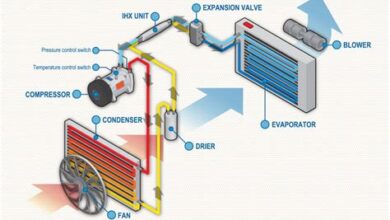
A typical vehicle air conditioning system consists of several key components:
- Compressor: This is the heart of the AC system, which pumps refrigerant through the system and compresses the gas to raise its pressure. A properly functioning compressor is vital for a cooling system that operates effectively.
- Condenser: The condenser dissipates heat from the refrigerant, transforming it from a gas into a liquid as it passes through a series of fins. It is usually located at the front of the vehicle, where it can receive airflow when the car is moving.
- Evaporator: Located inside the vehicle cabin, the evaporator absorbs heat from the interior air, cooling it down. The refrigerant evaporates as it absorbs this heat, effectively lowering the air temperature circulated inside the vehicle.
- Expansion Valve: This valve regulates the flow of refrigerant into the evaporator, allowing it to expand and cool before entering the evaporator itself.
When the air conditioning is turned on, warm air is drawn in through the evaporator, which cools it down before releasing it back into the cabin. Ideally, this process should remove moisture from the air, creating a dry and refreshing atmosphere for the passengers.
However, issues can arise within any of these components, leading to the unexpected phenomenon of humid air blowing from the vents. Understanding these functions will assist you in diagnosing any potential problems and will provide insight into the reasons why your AC may not be performing as intended.
Reasons Why Humid Air Is Coming From Your AC
When your vehicle’s air conditioning starts blowing humid air, it can be both uncomfortable and concerning. There are several reasons why this issue may occur:

- 1. Improper Refrigerant Levels: Low refrigerant levels can affect the AC’s ability to dehumidify the air effectively. If your system is low on refrigerant, this may cause it to blow warm, humid air instead of cool, dry air.
- 2. Blocked Condenser: A condenser that is obstructed by dirt, debris, or any other material can impact the AC’s functionality. When the condenser cannot properly disperse heat, it can lead to increased humidity levels in the cabin.
- 3. Faulty AC Components: Components such as the compressor, expansion valve, or even the evaporator can malfunction, disrupting the AC system’s normal operation and leading to the circulation of humid air.
- 4. Cabin Air Filter Blockage: A clogged cabin air filter restricts airflow, which can impair the AC’s performance and lead to humidity buildup within the vehicle.
- 5. Steam from the Engine: An overheating engine can produce steam, which, if not properly vented, can infiltrate the AC system and result in the emission of humid air.
- 6. Windows and Doors Sealing Issues: Poor sealing around doors and windows can allow moisture from outside to enter the vehicle, making the AC work harder to cool the cabin and potentially blowing humid air as a result.
Understanding these reasons why humid air is blowing from your vehicle’s AC can help you diagnose the issue more effectively. Regular maintenance and timely inspections can prevent these concerns and ensure a comfortable ride.
Common Causes Of Reduced AC Efficiency In Cars
When it comes to vehicle air conditioning, understanding the reasons why reduced efficiency occurs is crucial for maintaining a comfortable ride. Here are some common factors that contribute to this problem:
- Dirty Air Filters: Clogged air filters restrict airflow, reducing the cooling efficiency of your AC system. Regularly replacing or cleaning air filters can help enhance performance.
- Refrigerant Leaks: A decrease in refrigerant levels due to leaks affects the AC’s ability to cool the air properly. Regular checks for leaks are essential to ensure optimal performance.
- Blocked Condenser: The condenser plays a critical role in cooling refrigerant. When obstructed by debris, it can lead to decreased cooling capabilities. Cleaning the condenser is vital for efficient operation.
- Compressor Issues: The AC compressor is responsible for circulating refrigerant throughout the system. If it fails or operates poorly, you may notice reduced cooling effectiveness.
- Electrical Problems: Faulty electrical connections or blown fuses can impede the performance of your vehicle’s AC. Regular inspections can help identify and rectify such issues.
- Improper Use: Understanding how to properly operate your AC system is essential. Setting your AC to the right mode can significantly improve its efficiency, so make sure you are using it correctly.
Identifying these common causes of reduced AC efficiency is vital in preventing issues that may lead to your vehicle blowing humid air and ensuring a comfortable driving experience.
Effects Of Humid Air On Passenger Comfort And Health
When your vehicle’s air conditioning system blows humid air, it can lead to various discomforts and health concerns for passengers. The reasons why this happens can be more than just a minor inconvenience; they can significantly impact the overall driving experience.
Firstly, humid air creates an uncomfortable environment within the vehicle. High humidity levels can raise the temperature sensation inside the cabin, making it feel warmer than it actually is. This can lead to increased sweating and discomfort, especially during long drives or in high-temperature conditions.
Moreover, the presence of humid air can contribute to a feeling of stickiness, leading to increased irritation among passengers. This lack of comfort may distract the driver, potentially compromising safety on the road.

From a health perspective, constant exposure to humid air can have adverse effects. When humidity levels are elevated, the likelihood of mold and mildew growth within the vehicle increases. These pathogens can trigger allergic reactions and respiratory issues for sensitive individuals. Symptoms may include sneezing, coughing, and difficulty breathing, which can be particularly concerning for passengers with existing health issues such as asthma or allergies.
Furthermore, a poorly functioning air conditioning system—indicated by the emission of humid air—may also lead to a buildup of interior moisture. This can result in fogged-up windows, reducing visibility and compromising driver safety.
Understanding the reasons why your vehicle’s AC is blowing humid air is important for maintaining passenger comfort and health. Addressing these issues promptly can significantly enhance the quality of your travel experience.
Solutions To Fix Humid Air Issues In Your Vehicle’s AC
Addressing the problem of humid air blowing from your vehicle’s AC is essential for maintaining comfort and ensuring optimal system performance. Here are some effective reasons why you can experience this issue and the corresponding solutions to resolve it:
- Check and Replace the Cabin Air Filter: A clogged or dirty cabin air filter can restrict airflow and lead to poor AC performance. Regularly inspect and replace it as needed.
- Inspect the AC System: Look for leaks or blockages in the refrigerant lines. If you suspect a leak, it’s crucial to have a professional technician examine and repair the system.
- Verify the Refrigerant Level: Low refrigerant levels can cause the AC to work inefficiently. Check if the refrigerant needs to be recharged or if there might be a deeper underlying issue.
- Regular Maintenance: Schedule routine maintenance for your AC system. Professional servicing can help clean components, evaluate the system’s condition, and preemptively address potential issues.
- Clear Drainage Channels: Ensure that the AC drainage channels are free from obstructions. Clogs in the drainage can cause moisture buildup, leading to humid air blowing into the cabin.
- Evaluate the AC Settings: Sometimes, incorrect settings can contribute to the discomfort. Experiment with different temperature settings and modes to see if a change improves performance.
- Use the Recirculation Mode: Switching to recirculation mode can help reduce humidity levels inside the cabin by circulating the cooler, drier air already in the vehicle.
- Seek Professional Help: If you’ve tried these solutions and the problem persists, consult an experienced technician. They can provide a comprehensive diagnosis and suggest further actions.
By implementing these solutions, you can effectively address the reasons why your vehicle’s AC may be blowing humid air, ensuring a comfortable driving experience.

Frequently Asked Questions
What are the common reasons why vehicle air conditioning blows humid air?
Common reasons include low refrigerant levels, a clogged cabin air filter, a malfunctioning compressor, or issues with the AC system’s drainage.
How does low refrigerant affect air conditioning performance?
Low refrigerant levels can cause the AC system to produce less cold air, leading to the circulation of humid, uncooled air in the vehicle.
What role does the cabin air filter play in air conditioning?
The cabin air filter helps clean the air entering the vehicle. If it becomes clogged, it can restrict airflow and reduce cooling efficiency, leading to humid air.
Can a malfunctioning compressor cause humid air to blow from the AC?
Yes, if the compressor is malfunctioning or not engaging properly, it can prevent the system from cooling the air, resulting in humid air blowing into the cabin.
Is it possible for AC drainage issues to lead to humid air?
Absolutely. If the AC drainage system is blocked or faulty, it can cause moisture to build up and be released into the vehicle instead of being drained away.
What steps can I take to troubleshoot my vehicle’s AC system?
Start by checking the refrigerant levels, examining the cabin air filter, ensuring the compressor is functioning, and inspecting the drainage system for blockages.
When should I seek professional help for my vehicle’s air conditioning issues?
If basic troubleshooting does not resolve the problem, or if you notice unusual noises, smells, or continued humidity, it’s best to consult a professional mechanic.