Discover essential tips for maintaining your vehicle’s air condition AC system, from routine inspections to recognizing signs of trouble for optimal performance. When it comes to maintaining your vehicle’s performance, the air conditioning system plays a crucial role in ensuring your comfort, especially during those scorching summer months.
However, the longevity and efficiency of your AC system often go overlooked, leading to unnecessary repairs and discomfort. This article serves as a comprehensive guide on how to extend the life of your vehicle’s air conditioning system, covering essential maintenance practices, common issues that can shorten its lifespan, and tips for keeping it in optimal condition.
Whether you’re a seasoned car owner or a new driver, understanding these pivotal aspects will empower you to take better care of your vehicle’s AC, ensuring it runs smoothly for years to come. So let’s dive into the key strategies that will help you enjoy a cool ride, all while saving you time and money.
How To Maintain Regularly For Best Performance
Maintaining your vehicle’s air conditioning system is essential to ensure its longevity and optimal performance. Here are some key steps on How To maintain your AC regularly:
- Regularly check refrigerant levels: Low refrigerant can indicate a leak, which should be addressed immediately. Monitoring levels ensures the system operates efficiently.
- Replace the cabin air filter: A clean cabin air filter promotes better airflow and reduces strain on the system. It’s recommended to replace it every 12,000 miles or as needed.
- Run the AC system frequently: Even during colder months, running the AC for 10-15 minutes once a month helps keep the compressor lubricated and the system functioning properly.
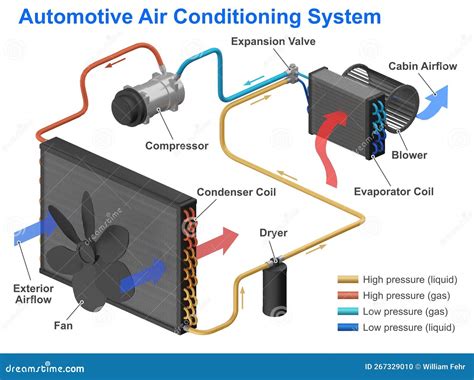
- Inspect and clean condenser coils: Dust and debris can accumulate on the condenser, leading to reduced efficiency. Regular cleaning, especially after exposure to the elements, can prevent issues.
- Listen for unusual noises: Any strange sounds, like hissing or grinding, can indicate problems within the system. Addressing these signs early can prevent further damage.
- Check for leaks: Regularly inspect hoses and fittings for signs of wear or leaks. Early detection can save you time and money on more extensive repairs.
By incorporating these practices into your vehicle maintenance routine, you’ll enhance the performance and lifespan of your air conditioning system. Remember, proactive care is the best approach in automotive maintenance.
Understanding Common Issues That Shorten AC Lifespan
Vehicle air conditioning systems are crucial for comfort, especially during hot months. However, several common issues can significantly shorten the lifespan of your AC system if not addressed promptly. Understanding these problems can help you maintain your vehicle better and ensure your AC stays efficient for years to come.
One frequent issue is refrigerant leakage. Over time, seals and hoses can wear out, leading to a drop in refrigerant levels. When this happens, the AC has to work harder to cool the air, causing additional strain on the system. Regular inspections can help identify any leaks before they become costly problems.
Another factor is the condition of the condenser. The condenser dissipates heat from the refrigerant, and if it becomes clogged with dirt or debris, it won’t function effectively. Keeping it clean and free from obstructions enables it to operate as designed, which positively impacts overall AC performance.
How To ensure proper lubrication is also vital. Lack of lubrication can lead to wear on the compressor and other components, significantly reducing the lifespan of the AC system. Checking and maintaining appropriate oil levels should be part of your vehicle’s regular maintenance routine.
Electrical issues can also compromise your AC system. Faulty wires, blown fuses, or malfunctioning switches can hinder the function of the AC. Regular checks of the electrical components can help catch these issues early, preventing major failures that can be expensive to repair.
Neglecting the cabin air filter can impact both air quality and the efficiency of your vehicle’s AC. A clogged filter restricts airflow, forcing the system to work harder, which can lead to overheating and increased wear. Ensure that you replace or clean your cabin air filter according to the manufacturer’s recommendations.
By being aware of these common issues and implementing proactive measures, you can extend the life of your vehicle’s air conditioning system and enhance its performance.

Tips For Keeping The AC System Clean And Efficient
Maintaining a clean and efficient air conditioning system is essential for extending its lifespan and ensuring optimal performance. Here are several practical tips to help you achieve this:
- Regular Filter Changes: One of the simplest yet most effective ways to keep your AC system running efficiently is to change the air filters regularly. A clean filter allows for better airflow and reduces strain on the system, which can prolong its life.
- Inspect and Clean the Condenser Coils: The condenser coils can accumulate dirt and debris over time. Cleaning them periodically ensures that the heat exchange process remains efficient, which is crucial for optimal cooling performance.
- Keep the Drain Line Clear: A clogged drain line can lead to moisture buildup, which can cause mold and bacteria growth. Regularly check and clean the drain line to prevent these issues.
- Use the AC Regularly: Even in cooler months, it’s beneficial to run your AC for at least 10 minutes every month. This helps keep the system lubricated and prevents seals from drying out.
- Park in Shade or Use Sunshades: Whenever possible, park your vehicle in the shade or use sunshades. This reduces the heat load on the AC system, allowing it to work more efficiently and extending its life.
- Professional Cleaning Service: Consider scheduling a professional cleaning service at least once a year. They can provide deep cleaning and ensure that all components of the AC system are functioning properly.
By implementing these how to tips regularly, you can keep your vehicle’s air conditioning system clean and efficient, maximizing its lifespan and performance.
Signs Your Vehicle AC Needs Professional Attention
It’s essential to recognize when your vehicle’s air conditioning system requires professional intervention to prevent further damage and ensure optimal performance. Here are some key signs to look out for:
- Weak airflow: If you notice that the air coming from the vents is weak or insufficient, it may indicate a problem with the blower motor or blocked ducts.
- Unusual noises: Strange sounds, such as grinding, hissing, or clicking, when the AC is running can suggest that components are failing or obstructed.
- Strange odors: An unpleasant smell, especially a moldy or musty one, may mean there is mold or mildew growing in the AC system.
- Leaking fluids: If you observe any fluid pooling under your vehicle after running the AC, it could indicate a refrigerant leak or a coolant issue.
- Inconsistent temperatures: If you experience sudden fluctuations in temperature, or if one side of the vehicle is colder than the other, this could suggest a malfunction in the system.
- Warning lights: Keep an eye on your dashboard warning lights. If the check engine or AC system light activates, it’s time to consult a professional.
Being proactive with these signs can save you money on repairs and extend the life of your air conditioning system. If you detect any of these issues, don’t hesitate to seek professional assistance.
How To Schedule Routine Inspections For Longevity
To effectively extend the lifespan of your vehicle’s air conditioning system, scheduling routine inspections is crucial. Here are the steps you can follow:
- Determine the Recommended Schedule: Refer to your vehicle’s owner manual for the manufacturer’s recommended inspection schedule. Typically, it’s advisable to have your AC system checked at least once a year.
- Choose a Trusted Mechanic: Find a qualified and reputable mechanic who specializes in automotive air conditioning. Look for reviews, ask for recommendations, and ensure they have the requisite certifications.
- Set a Calendar Reminder: Once you’ve established a routine inspection schedule, set reminders on your phone or digital calendar. This will help you stay on track and avoid overlooking necessary checks.
- Prepare Your Vehicle: Before each inspection, ensure your vehicle is clean and accessible. Inform your mechanic of any AC issues or peculiar sounds you may have noticed during operation.
- Keep Logs of Inspections: Maintain a log of all AC inspections, repairs, and refrigerant levels. This record can be invaluable for understanding the system’s health over time.
- Consider Seasonal Checks: Schedule inspections before summer and winter. Seasonal checks can help ensure your AC is ready to perform efficiently during peak usage times.
By following these steps on how to schedule routine inspections, you can significantly enhance the longevity of your vehicle’s air conditioning system and maintain optimal performance. Regular maintenance ensures that minor issues are addressed before they lead to costly repairs or system failures.

Frequently Asked Questions
Why is it important to maintain the vehicle’s air conditioning system?
Proper maintenance ensures efficient cooling, prevents costly repairs, and extends the system’s lifespan.
What are the common signs of an ailing air conditioning system?
Common signs include weak airflow, strange noises, unusual smells, and the inability to cool the air effectively.
How often should I have my air conditioning system serviced?
It’s recommended to service your air conditioning system at least once a year, ideally before the summer season.
What can I do to improve the efficiency of my air conditioning system?
Regularly clean or replace the cabin air filter, check for leaks, and ensure the condenser is clean and free from debris.
What role does refrigerant play in the air conditioning system?
Refrigerant absorbs heat from inside the vehicle and releases it outside, making it crucial for the cooling process.
Can I troubleshoot minor air conditioning problems myself?
Yes, you can check for blown fuses, inspect the cabin air filter, and look for visible leaks, but professional help is advised for major issues.
What are some tips for using my air conditioning system efficiently?
Use the recirculate setting, park in the shade, and don’t wait too long to turn it on, as these practices can help maintain efficiency.