
Discover essential winter air conditioner maintenance tips, common issues, troubleshooting steps, and the benefits of regular upkeep for optimal vehicle performance. As the temperatures dip and winter approaches, many drivers overlook an essential aspect of their vehicle’s performance: the air conditioning system.
While often associated with hot summer days, maintaining your car’s air conditioner during the colder months is crucial for optimal functionality. Regular winter maintenance ensures that your air conditioning system operates efficiently when you need it most, providing comfort and defogging capabilities in chilly weather.
In this article, we will explore the significance of winter air conditioner maintenance, share effective preparation tips for cold weather, highlight common issues you may face, and provide actionable steps to troubleshoot and repair your system. By understanding how to care for your vehicle’s air conditioner now, you can enjoy the benefits of a reliable and well-maintained system throughout the winter season.
Understanding The Importance Of Winter Air Conditioner Maintenance
Maintaining your vehicle’s air conditioner during winter is crucial for several reasons. Firstly, it helps to ensure the system is functioning efficiently, which is essential for both comfort and safety. Many vehicle owners neglect this component during the colder months, often forgetting that their air conditioner is not just a summertime necessity.
By prioritizing winter maintenance, you can prevent long-term damage and expensive repairs. How to keep the system in good condition includes checking the refrigerant levels and ensuring that the components do not freeze or seize up. A well-maintained air conditioning system will also help in defrosting your vehicle’s windows more effectively, enhancing visibility and driving safety.
Moreover, cold weather can cause moisture to build up in the AC system, leading to mold and mildew growth if not addressed. Regular maintenance helps to eliminate this moisture, ensuring that air quality inside the vehicle remains fresh and healthy.
Consistently checking and maintaining your vehicle’s air conditioner can significantly extend its lifespan. As with any automotive component, proactive measures will lead to a more reliable and efficient operation over time. This makes it clear that winter air conditioner maintenance is not just about comfort—it’s a cornerstone of vehicle care.
How To Prepare Your Air Conditioner For Cold Weather
Preparing your vehicle air conditioner for the winter season is essential to ensure it operates efficiently when needed. Here are some crucial steps you can take to protect your air conditioning system:
- Run the A/C regularly: Even during winter, it’s beneficial to run your air conditioning system for about 10-15 minutes every few weeks. This practice helps maintain the seals and lubricates the system components, preventing them from drying out.
- Check the refrigerant levels: Ensure that the refrigerant levels are adequate. Low refrigerant can cause the system to freeze, leading to further issues. If you’re unsure how to check it, consider consulting a professional.
- Inspect the system for leaks: Look for any signs of leakage around hoses and connections, particularly if you’re getting insufficient cooling. Addressing leaks promptly can save you from more extensive repairs later.
- Clean or replace the cabin air filter: A clean cabin air filter improves air flow and ensures that the air conditioning system works effectively. A clogged filter can cause your A/C to work harder, leading to increased wear and tear.
- Cover the condenser: If you park your vehicle outside and are expecting snow or ice, consider covering the condenser. This helps protect it from debris and prevents frost from forming.
- Inspect belts and hoses: Check for any signs of wear and tear on the belts and hoses. Winter temperatures can make these components brittle, so replace any that look cracked or worn.
- Consult a professional: If you’re unsure about preparing your air conditioner for winter, don’t hesitate to seek advice from a qualified technician. They can perform a comprehensive check-up and offer tailored recommendations.
By following these steps on how to prepare your air conditioner for cold weather, you can help ensure its longevity and efficiency, making it ready for the demands of warmer weather ahead.

Common Issues Faced By Vehicle Air Conditioners In Winter
During winter, vehicle air conditioners can encounter several specific issues that can affect their performance. Understanding these problems is crucial for maintaining an efficient air conditioning system. Here are some common issues faced by vehicle air conditioners in winter:
- Low Refrigerant Levels: Cold weather can lead to decreased refrigerant levels, making it harder for the air conditioning system to function effectively.
- Compressor Problems: The air conditioner compressor can struggle to engage in cold temperatures, leading to insufficient cooling when needed.
- Blocked Condenser: Snow and ice buildup can block the condenser unit, restricting airflow and diminishing performance.
- Moisture Build-Up: Cold temperatures may result in moisture accumulation within the system, leading to potential freezing and damage.
- Electrical Issues: Cold weather can cause electrical connections to contract, potentially leading to malfunctioning air conditioning controls.
- Cabin Air Filter Blockage: Winter conditions can contribute to a buildup of debris in the cabin air filter, reducing airflow and overall system efficiency.
Addressing these issues promptly can help keep your vehicle’s air conditioning system in optimal condition, ensuring that you remain comfortable during the colder months.
Steps To Troubleshoot And Repair Your Air Conditioner
Maintaining your vehicle air conditioner during winter can prevent small issues from becoming major problems. Here are the essential how to steps to troubleshoot and repair your air conditioner effectively:
- Check the Fuses: Start by inspecting the fuses related to your air conditioning system. If a fuse is blown, replace it and see if that resolves the issue.
- Inspect the A/C Belt: Look for any signs of wear and tear on the belt connected to your air conditioning compressor. A loose or damaged belt can impact performance. Adjust or replace it if necessary.
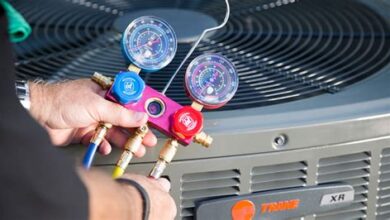
- Examine the Refrigerant Levels: Low refrigerant levels can significantly affect the functioning of your air conditioner. Use a gauge to check the levels and recharge if needed.
- Look for Leaks: Check for any visible leaks around hoses, fittings, and the compressor. If you notice any signs of leaking refrigerant, it’s best to consult a professional for repairs.
- Clean or Replace the Cabin Air Filter: A dirty cabin air filter can restrict airflow and reduce the efficiency of your HVAC system. Clean or replace the filter to ensure optimal performance.
- Test the A/C Controls and Switches: Verify that all switches and controls for your air conditioning system are functioning properly. If any controls are malfunctioning, they may need to be repaired or replaced.
- Listen for Unusual Noises: When running the air conditioner, pay attention to any strange noises, such as grinding or squealing. These could indicate mechanical problems requiring further investigation.
- Seek Professional Help: If you’ve gone through these steps and the air conditioner still isn’t working properly, it may be time to contact a professional mechanic who specializes in automotive air conditioning systems.
By following these troubleshooting steps on how to maintain your air conditioner, you can efficiently identify and resolve issues, ensuring your vehicle’s comfort system remains in optimal condition throughout the winter months. Remember that regular inspections and prompt repairs can save you time and money down the line.

The Benefits Of Regularly Maintaining Your Vehicle Air Conditioner
Regularly maintaining your vehicle air conditioner offers numerous advantages that extend beyond simply keeping you cool during the summer months. Here are some of the key benefits:
- Improved Performance: Consistent upkeep ensures that your air conditioning system operates efficiently, delivering optimal cooling and preventing overworking the system, which can lead to performance issues.
- Increased Longevity: Just as with any vehicle component, regular maintenance can extend the lifespan of your air conditioner. By addressing minor issues before they escalate, you can avoid costly repairs and replacements.
- Better Fuel Efficiency: A well-maintained air conditioning system can improve your vehicle’s overall fuel efficiency. When your A/C is working efficiently, it puts less strain on the engine, leading to better gas mileage.
- Healthier Cabin Environment: Regular maintenance helps ensure that your vehicle’s A/C is free from mold, mildew, and allergens. Clean filters and coils contribute to better air quality, providing a healthier environment for you and your passengers.
- Cost Savings: Proactive maintenance, such as checking refrigerant levels and cleaning components, can prevent expensive repairs down the line. Investing a small amount in routine maintenance can save you substantial sums on major repairs.
- Enhanced Comfort: A well-maintained air conditioning system provides consistent and reliable cooling, ensuring a comfortable driving experience regardless of external weather conditions.
Understanding how to maintain your vehicle air conditioner not only keeps you comfortable during hot weather but also plays a crucial role in the vehicle’s efficiency, longevity, and overall functionality.

Frequently Asked Questions
Why is it important to maintain your vehicle’s air conditioner during winter?
Maintaining your vehicle’s air conditioner during winter is essential because it ensures that the system remains functional for both heating and defrosting. Regular maintenance helps prevent any potential issues that may arise when temperatures rise.
What simple maintenance tasks can I perform on my vehicle’s air conditioner in winter?
You can check and replace the cabin air filter if necessary, inspect the belts and hoses for wear, and ensure that the refrigerant levels are adequate. Additionally, running the A/C for about 10-15 minutes once a month can help keep the system lubricated.
How often should I have my vehicle’s air conditioner serviced?
It is generally recommended to have your vehicle’s air conditioning system serviced at least once a year, ideally before the summer season. However, if you notice any inconsistencies, such as unusual noises or reduced cooling capacity, you should have it checked sooner.
What signs indicate that my vehicle’s air conditioner needs maintenance?
Signs that your vehicle’s air conditioner may need maintenance include strange noises when the system is operating, reduced airflow, bad odors coming from the vents, or if the system is not cooling efficiently.
Can winter weather affect my vehicle’s air conditioning system?
Yes, winter weather can affect your vehicle’s air conditioning system. Cold temperatures can cause any existing moisture in the system to freeze, potentially leading to damage. Regular operation of the A/C in winter can help prevent this.
Is it necessary to run the air conditioner during winter?
Yes, running the air conditioner during winter is necessary to keep the system’s components lubricated and to remove moisture from the air inside the cabin, which helps prevent window fogging.
What should I do if my vehicle’s air conditioner doesn’t seem to work even after maintenance?
If your vehicle’s air conditioner doesn’t work after you’ve performed maintenance, you should consider taking it to a certified technician to diagnose any underlying issues. Possible problems could include a refrigerant leak, a faulty compressor, or electrical issues.