
Discover the importance of vehicle air conditioning maintenance, best practices, signs for immediate attention, and tips for choosing the right AC service professionals. Maintaining a comfortable driving experience is crucial, especially during hot summer months, and one of the key elements in achieving this is a well-functioning vehicle air conditioning system.
In this article, we will explore the best practices for caring for your vehicle’s air conditioning to ensure optimal performance and longevity. From understanding the importance of regular maintenance to recognizing signs that your AC may need immediate attention, we cover all aspects crucial for keeping your air conditioning in top shape.
Additionally, we’ll provide tips for choosing the right professionals for AC service, helping you make informed decisions. Whether you’re a new driver or a seasoned car owner, this guide will equip you with the knowledge needed to safeguard your comfort on the road. Let’s delve into the essential practices that will keep your vehicle’s air conditioning cool and efficient.
Understanding The Importance Of Vehicle Air Conditioning Maintenance
Maintaining your vehicle’s air conditioning system is essential for several reasons. First and foremost, a well-functioning air conditioning system ensures a comfortable driving environment, especially during hot summer months. However, its importance goes beyond just comfort; it also contributes to the overall efficiency and performance of your vehicle.
Regular maintenance can significantly extend the lifespan of your air conditioning unit. A neglected system is more likely to develop issues, leading to costly repairs or even complete system failure. By implementing best practices for vehicle air conditioning maintenance, you can avoid unexpected breakdowns and expenses.
Furthermore, an efficient air conditioning system can improve your vehicle’s fuel economy. When the AC is poorly maintained, it can put a strain on the engine, leading to increased fuel consumption. This is particularly crucial in a time when fuel prices are fluctuating, making it essential to keep your vehicle running efficiently.
Routine checks help ensure that the air circulating within the vehicle is clean and free from contaminants. This is particularly important for passengers with allergies or respiratory issues. A well-maintained air conditioning system filters out dust, pollen, and other pollutants, contributing to a healthier cabin environment.
Understanding the importance of vehicle air conditioning maintenance is vital. It not only enhances driving comfort but also preserves the performance and efficiency of your vehicle while promoting a healthier atmosphere inside the cabin. Implementing best practices can lead to long-term benefits for both you and your vehicle.
Essential Best Practices For Regular Air Conditioning Checks
Regular maintenance is crucial for ensuring the longevity and efficiency of your vehicle’s air conditioning system. Here are some best practices to consider for routine checks:

- Inspect the cabin air filter: A clogged cabin air filter can hinder airflow and reduce the cooling efficiency of your AC. Check and replace it at least once a year or as recommended by the manufacturer.
- Check for leaks: Regularly inspect hoses and connections for any signs of leakage. A refrigerant leak can significantly impact system performance and requires immediate attention.
- Test the AC system: Run your air conditioning at various settings and listen for strange noises. Consistent performance without unusual sounds is a sign that your system is in good condition.
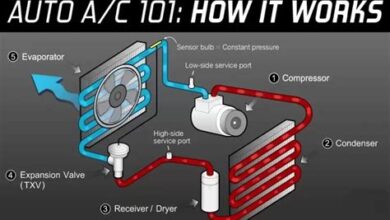
- Clean the condenser: Ensure the condenser, which is usually located in front of the radiator, is free from dirt and debris. A clean condenser enhances the system’s efficiency.
- Monitor temperatures: Use a thermometer to check the air temperature coming from the vents. If it’s significantly warmer than expected, it may indicate a problem within the system.
- Schedule professional inspections: Regular professional maintenance checks are vital. Experts can conduct comprehensive evaluations and service the system to ensure optimal performance.
- Utilize the system regularly: Do not neglect your AC during cooler months. Run it for about 10 minutes every few weeks to keep the components lubricated and functioning properly.
Implementing these best practices will help maintain your vehicle’s air conditioning system and improve its performance, contributing to a more comfortable driving experience.
Signs That Indicate Your Air Conditioning Needs Immediate Attention
Taking care of your vehicle’s air conditioning system is paramount, not only for comfort but also for safety while driving. Being aware of the signs that indicate your air conditioning needs immediate attention can help prevent further damage and costly repairs. Here are some key indicators:
- Unusual Noises: If you hear grinding, squeaking, or rattling sounds when you turn on the air conditioning, it could signal a serious issue such as a failing compressor or loose components.
- Weak Airflow: If you notice that the airflow from the vents is weaker than usual, it could suggest a clogged cabin air filter or a problem within the AC system itself.
- Unpleasant Odors: A musty or moldy smell can indicate mold growth in the system or a refrigerant leak. This not only impacts air quality but can lead to health issues.
- Temperature Variations: Inconsistent cooling—where some vents blow cold air while others do not—might point to an issue with the evaporator or a refrigerant leak.
- Leaking Refrigerant: Notice any fluid pooling under your vehicle? If the liquid is green, blue, or oily, you are likely experiencing a refrigerant leak that needs immediate repair.
- System Failing to Cool: If your air conditioning system is running but not providing any cool air, it may be a sign of low refrigerant levels or a malfunctioning compressor.
- Frequent Cycling: If the air conditioning system frequently turns on and off, it could indicate issues with the pressure or an electrical problem that requires professional assessment.
Recognizing these signs early on allows you to address problems promptly, ensuring that your vehicle’s air conditioning system remains efficient. Regular maintenance is among the best practices to avoid these issues in the first place.
How Proper Refrigerant Levels Enhance Air Conditioning Efficiency
Maintaining the correct refrigerant levels in your vehicle’s air conditioning system is crucial for optimal performance. When the best practices for refrigerant maintenance are followed, you can significantly enhance the efficiency of your AC unit, ensuring a comfortable cabin environment regardless of external temperatures.
Refrigerant acts as the lifeblood of your vehicle’s air conditioning system, absorbing heat from the cabin air and expelling it outside. If the refrigerant levels are too low, the AC will struggle to cool the air effectively, leading to increased energy consumption and potential system damage. Conversely, an overcharged system can also cause inefficiencies and issues.
Here are some key points on how proper refrigerant levels contribute to air conditioning efficiency:
- Optimal Cooling Performance: Correct refrigerant levels ensure that the AC unit can efficiently cycle through its phases, maximizing cooling power while minimizing energy usage.
- Preventative Maintenance: Regular checks and maintenance of refrigerant levels can prevent issues that could lead to costly repairs or system replacements in the future.
- Extended Lifespan: By ensuring that the system operates within its designed parameters, you can significantly extend the lifespan of your air conditioning unit.
- Better Fuel Efficiency: A well-functioning AC system means your vehicle won’t have to work as hard to maintain cool temperatures, leading to improved fuel efficiency.
Regularly checking the refrigerant levels as part of your vehicle’s maintenance routine is one of the best practices you can adopt. Consult with a qualified technician to ensure that your air conditioning system remains in peak condition, and remember that a well-maintained system not only provides comfort but also improves the overall performance and longevity of your vehicle.
Tips For Choosing The Right Professionals For AC Service
When it comes to maintaining your vehicle’s air conditioning system, selecting the right professionals is crucial for ensuring efficiency and longevity. Here are some essential best practices to guide you in choosing the ideal AC service provider:
- Check Qualifications and Certifications: Ensure that the technician possesses relevant certifications and training. Look for certifications like ASE (Automotive Service Excellence) which indicate a standard of expertise in automotive servicing.
- Read Reviews and Testimonials: Go through online reviews and testimonials from previous customers. Websites like Google, Yelp, or specialized automotive forums can give insights into the quality of service provided.
- Ask About Experience: Experience matters, especially with air conditioning systems. Ask how long the shop has been in business and if they specialize in your vehicle’s make and model.
- Obtain Estimates: It’s wise to get estimates from multiple service providers. Compare their prices and what services are included to ensure you’re getting a fair deal.
- Inquire About Warranties: A reputable service provider should offer warranties on both services performed and any parts used. This shows confidence in their work and provides peace of mind.
- Assess Customer Service: Pay attention to how the staff treats you. Good customer service is important; the professionals should be knowledgeable, communicative, and ready to answer your questions.
- Evaluate Facility and Tools: A clean, organized workshop with up-to-date tools and equipment reflects professionalism and dedication to quality work.
- Look for Specialized Services: Some providers may offer additional services such as diagnostic checks or eco-friendly refrigerant options. These can enhance the overall efficiency of your AC system.
- Trust Your Instincts: Ultimately, trust your gut feeling. If something doesn’t feel right, it’s okay to explore other options.
By following these tips, you can ensure that you choose a professional who adheres to the best practices for maintaining and servicing your vehicle’s air conditioning system, helping to keep your vehicle comfortable and efficient.

Frequently Asked Questions
What are the key benefits of maintaining vehicle air conditioning?
Regular maintenance of vehicle air conditioning ensures optimal performance, improves fuel efficiency, and prolongs the lifespan of the system.
How often should I get my vehicle’s air conditioning system checked?
It’s recommended to have your air conditioning system checked at least once a year to identify any potential issues before they become major problems.
What are some common signs that my air conditioning needs service?
Common signs include inadequate cooling, strange noises when the AC is on, unpleasant odors, and visible leaks around the unit.
Can I improve the efficiency of my vehicle’s air conditioning?
Yes, you can improve efficiency by keeping the cabin air filter clean, parking in shaded areas, and regularly running the AC to keep the system lubricated.
What is refrigerant and why is it important for my vehicle’s AC?
Refrigerant is a fluid used in the air conditioning system to absorb and release heat, making it crucial for cooling the air circulated in your vehicle.
How can I clean the exterior components of my AC system?
You can clean the exterior components by gently wiping down the condenser with a soft cloth and using compressed air to remove debris from the fins.
What should I do if my AC system is blowing warm air?
If your AC system is blowing warm air, check the refrigerant level and look for leaks; if the issue persists, it’s best to consult a professional for a thorough diagnosis.