Explore essential tips for diagnosing vehicle air conditioning issues in vehicles, identifying common malfunctions, and knowing when to seek professional assistance. As the temperature rises, having a fully functioning vehicle air conditioning system becomes essential for comfort and safety on the road.
However, there are times when your air conditioning may struggle to keep you cool, leaving you feeling frustrated and uncomfortable. In this article, we will guide you through the troubleshooting process for a malfunctioning air conditioning system. From what to check first when your air conditioning fails to common causes of malfunctions, and effective diagnosis techniques, we’ll provide you with actionable steps to identify and resolve the issue.
Additionally, we’ll highlight what to consider before seeking professional help, ensuring you’re well-equipped to make informed decisions. Whether you’re a DIY enthusiast or new to vehicle maintenance, read on to learn how to restore your vehicle’s cooling capabilities and enjoy a more pleasant ride.
What To Check First When Air Conditioning Fails
When facing issues with your vehicle’s air conditioning, the first step is to conduct a thorough assessment to identify the problem efficiently. Here are some crucial checks to perform:
- Thermostat Settings: Ensure the thermostat is set to a lower temperature than the current cabin temperature. Sometimes, it’s just a simple adjustment that can resolve the issue.
- AC Switch: Confirm that the air conditioning is turned on. It may sound basic, but checking the AC switch is essential to eliminate any simple errors.
- Blower Fan: Check if the blower fan is functioning properly. If you hear unusual noises or no air is flowing from the vents, this could indicate a fan malfunction.
- Fuses and Relays: Inspect the fuses related to the AC system. A blown fuse can be the reason your AC is unresponsive. Refer to the owner’s manual for the specific location and type.
- Refrigerant Level: Look for visible signs of leaks or inspect the refrigerant level, as low refrigerant can significantly reduce cooling efficiency.
- Cabin Air Filter: A clogged cabin air filter can restrict airflow. Locate and inspect this filter, replacing it if it appears dirty or blocked.
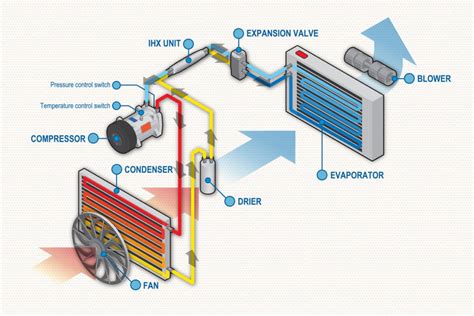
- Compressor Functionality: Listen for any unusual sounds from the compressor when the AC is on. If it’s not engaging or making a clicking noise, there might be an issue.
By systematically checking these components, you can often diagnose the issue before considering more complex repairs or professional service, ensuring a cost-effective approach to getting your air conditioning back in optimal working condition.
Common Causes Of Vehicle Air Conditioning Malfunctions
Understanding the What To do about your vehicle’s air conditioning system can be crucial, especially during the hot months. Here are some common causes for why your air conditioning might be failing to cool:
- Low Refrigerant Levels: One of the most frequent causes of air conditioning malfunction is low refrigerant. This can happen due to leaks or insufficient charging during service.
- Clogged Filters: Dirty or clogged cabin air filters can restrict airflow, making it difficult for your air conditioning system to cool the interior effectively.
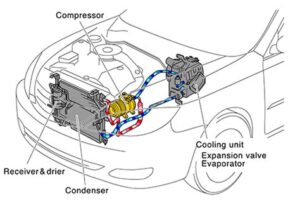
- Faulty Compressor: The compressor is a key component of your air conditioning system. If it’s not functioning properly, the circulation of refrigerant will be disrupted.
- Electrical Issues: Issues with the electrical components such as fuses, switches, or connections can prevent the system from operating as intended.
- Blocked Condenser: A condenser that’s blocked by debris can impede the heat exchange process, leading to inadequate cooling performance.
- Failed Pressure Switch: The pressure switch regulates the refrigerant flow in the air conditioning system. If it fails, it may prevent the system from cooling effectively.
- Worn Out Components: Regular wear and tear can affect various components of the air conditioning system, limiting its efficiency and cooling ability.
Identifying these issues is essential before diving deeper into diagnostics or seeking professional help. Pay attention to any strange noises or changes in performance to help narrow down the cause of your air conditioning problems.

How To Diagnose Air Conditioning Issues Effectively
When your vehicle’s air conditioning system isn’t providing the cool relief you expect, it’s essential to diagnose the issue promptly. Here’s a structured approach to help you pinpoint the problem efficiently:
- Visual Inspection: Start by checking the A/C system’s visible components. Look for signs of leaks, damaged hoses, or corrosion on the compressor. This initial inspection can sometimes reveal obvious issues.
- Listen for Unusual Noises: Turn on your air conditioning and listen carefully. Banging or rattling sounds could indicate a failing compressor or debris in the fan. If you hear a high-pitched squealing, it might point to a worn serpentine belt.
- Check the A/C Controls: Test the A/C buttons inside your vehicle. Ensure that settings are correctly adjusted, such as temperature, mode, and fan speed. Malfunctions in controls can mislead you into thinking the system itself is faulty.
- Temperature Measurement: Compare the temperature of the air entering the A/C vents with the external temperature. If it’s not significantly cooler, it may indicate problems with the compressor or refrigerant levels.
- Refrigerant Levels: Low refrigerant often causes A/C systems to underperform. Utilize a refrigerant gauge to check the levels; if they are low, it might indicate a leak or a need for recharging.
- Test the A/C Clutch: If the compressor isn’t engaging, the A/C clutch could be to blame. You can test this by visually inspecting if the clutch engages when the A/C is turned on. If it doesn’t, further electrical or mechanical issues may be present.
- Monitor Airflow: If airflow seems weak, it could be due to a clogged cabin air filter or issues within the blower motor. Ensure that your air filter is clean and replace it if necessary.
- Use a Scan Tool: If your vehicle is equipped with an onboard diagnostic system (OBD-II), use a scan tool to check for any stored trouble codes related to the A/C system, which can provide valuable insights.
Properly diagnosing A/C issues requires a methodical approach. By following these steps, you can gather crucial information to either remedy the situation yourself or effectively communicate the problem to a professional.
Steps To Take If Your Air Conditioning Is Not Cooling
If you find that your vehicle’s air conditioning is not cooling effectively, there are several important steps you can take before seeking professional help. These steps can help you identify the issue or even resolve it on your own.
- Check the Temperature Settings: Ensure that the temperature settings on your air conditioning unit are correctly adjusted. Sometimes, the temperature may be set too high, causing the air to feel warm.
- Inspect the Air Filter: A clogged or dirty air filter can significantly impact the performance of your air conditioning system. Remove the air filter and check for dirt or debris. If necessary, clean or replace it.
- Examine the Refrigerant Levels: Low refrigerant levels are a common cause of air conditioning issues. Locate the service port and use a refrigerant gauge to check the pressure levels. If the levels are low, consider adding refrigerant or consulting a professional.
- Look for Leaks: Inspect the system for any visible signs of refrigerant leaks. This may include oily residues around the fittings or hoses. If you detect a leak, it is best to have it repaired by a technician.
- Check the Condenser and Fans: Ensure that the condenser is free from debris and the fans are operating correctly. Blockages can hinder airflow, and malfunctioning fans can affect the cooling efficiency.
- Test the AC Clutch and Relay: Listen for the sound of the AC clutch engaging when you turn on the system. If it doesn’t engage, the relay may be faulty; test or replace it accordingly.
- Run the System in Recirculate Mode: If outside air is hot, switch the AC system to recirculate mode. This allows the system to cool the air inside the vehicle more efficiently.
- Inspect Cabin Temperature: If the cabin is exposed to direct sunlight for extended periods, the air conditioning may struggle to cool down the interior. Parking in the shade or using window shades can mitigate this issue.
- Perform a System Reset: Sometimes, simply turning off the vehicle for a few minutes and rebooting the AC system can resolve minor glitches.
- Document Any Unusual Sounds: If you hear unusual noises when the AC is running, take note of them. This can help technicians understand the issue more clearly if you do need professional assistance.
By following these steps, you can identify potential problems and determine whether your vehicle’s air conditioning is beyond a simple fix. If these measures do not yield results, it may be time to contact a professional for a thorough diagnosis and repair.

What To Consider Before Seeking Professional Help
Before deciding to seek professional help for your vehicle’s air conditioning issues, there are several important factors to consider. Addressing these points can save you time, money, and frustration.
What To assess includes the following:
- Basic Troubleshooting: Have you performed basic troubleshooting to eliminate simple issues such as checking the thermostat settings or the condition of the air filters? If not, these steps should be your first action.
- Self-diagnosis: Depending on your mechanical knowledge, consider self-diagnosing the problem based on the symptoms your vehicle is exhibiting. Specific sounds or smells can indicate particular issues.
- Researching Costs: Get an estimate of the costs involved in repairs from various local mechanics. Understanding the potential cost will help you make an informed decision about proceeding with repairs.
- Warranty Status: Determine if your vehicle is still under warranty, as some repairs may be covered. If so, consult your dealership to avoid out-of-pocket expenses.
- Reviews and Recommendations: Look up reviews or ask for recommendations for reputable auto repair shops in your area. This step can help you choose a reliable professional who can fix your air conditioning effectively.
- Time Consideration: Consider how urgently you need the air conditioning fixed. If you are in a warm climate or it’s peak summer season, it may affect your comfort while waiting for repairs.
Taking these factors into account can help streamline the process and ensure you feel confident when seeking professional assistance for your vehicle’s air conditioning issues.
Frequently Asked Questions
What are the common signs that my vehicle’s air conditioning is not cooling properly?
Common signs include warm air blowing from the vents, unusual noises when the system is running, and visible leaks or moisture around the system.
What could cause my vehicle’s air conditioning to stop cooling?
Possible causes include low refrigerant levels, a faulty compressor, clogged condenser, or electrical issues within the air conditioning system.
How can I check if my air conditioning system has low refrigerant?
You can check by inspecting the compressor; if it’s not running or you see ice buildup on the evaporator coils, it might indicate low refrigerant. A professional can also measure the pressure with gauges.
Is it safe to drive my vehicle with a malfunctioning air conditioning system?
While it’s generally safe to drive with a malfunctioning AC, it may be uncomfortable, especially in hot weather. If the problem affects engine performance or leads to overheating, it’s best to have it checked immediately.
What steps can I take to troubleshoot my vehicle’s air conditioning issues?
You can start by checking the AC controls, inspecting the air filter for clogs, examining the compressor for signs of wear, and ensuring the system is not leaking refrigerant.
When should I consider taking my vehicle to a professional for AC repairs?
Consider taking your vehicle to a professional if you notice any significant performance issues, persistent warm air, or if your DIY troubleshooting does not resolve the problem.
How often should I have my vehicle’s air conditioning system serviced?
It’s recommended to have your vehicle’s air conditioning system serviced at least once a year, ideally before the hot summer months, to ensure optimal performance.