
Explore the fundamentals of air conditioning systems, energy consumption, emissions, long-term effects, and sustainable alternatives for a greener future. As global temperatures rise and climate change remains a pressing concern, the environmental impact of air conditioning systems has become a topic of increasing importance.
In this article, we dive into the intricacies of how these cooling systems function, the energy they consume, and the associated emissions that contribute to environmental degradation. By understanding the basics of air conditioning, we can explore the long-term effects these technologies have on our planet, as well as the role of sustainable alternatives in mitigating harm.
Whether you’re a homeowner considering an upgrade or an industry professional seeking environmentally-friendly solutions, this guide aims to equip you with the knowledge needed to make informed decisions while promoting a healthier planet. Join us as we uncover the facts and provide guidance on navigating the complexities of air conditioning with an eco-conscious mindset.
Understanding The Basics Of Air Conditioning Systems
Air conditioning systems are essential in regulating indoor climates, providing comfort in homes, offices, and various commercial settings. Understanding the fundamentals of how these systems operate is crucial for appreciating their impact on the environment.
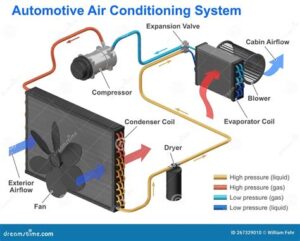
At the core of an air conditioning system is the understanding the refrigeration cycle, which comprises four main components: the evaporator, condenser, expansion valve, and compressor. This cycle allows the system to absorb heat from the indoors and release it outdoors, effectively cooling the indoor air.
Here’s a brief overview of the refrigeration cycle:
| Component | Function |
|---|---|
| Evaporator | Absorbs heat from the indoor air, causing the refrigerant to evaporate and cool the air. |
| Compressor | Compresses the refrigerant gas, increasing its temperature and pressure. |
| Condenser | Releases the absorbed heat outside as the refrigerant condenses back into a liquid. |
| Expansion Valve | Reduces the pressure of the refrigerant, allowing it to enter the evaporator and repeat the cycle. |
Beyond the basic components, it is important to consider the different types of air conditioning systems, including central air conditioning, window units, and split systems. Each type has its unique operational mechanics, advantages, and drawbacks, which influence how efficiently they cool spaces.
Moreover, the efficiency of an air conditioning system is measured by its Seasonal Energy Efficiency Ratio (SEER) rating. A higher SEER rating indicates better energy efficiency, leading to reduced energy consumption and lower environmental impact. Understanding the basics of these systems not only helps in choosing the right unit but also emphasizes the importance of energy-efficient technology in mitigating environmental harm.
The Input: Energy Consumption Of Air Conditioning Units
Energy consumption is a critical factor when understanding the overall impact of air conditioning systems on the environment. HVAC (Heating, Ventilation, and Air Conditioning) units, particularly air conditioners, account for a significant portion of energy use in residential and commercial buildings. According to the U.S. Department of Energy, air conditioning systems can consume about 6% of all electricity produced in the United States, translating to over $29 billion in annual energy costs.
Several factors influence the energy consumption of air conditioning units, including:
- Size and Efficiency: The size of the unit and its energy efficiency rating, often indicated by the Seasonal Energy Efficiency Ratio (SEER), play a crucial role. Higher SEER ratings mean better energy efficiency, leading to lower energy consumption.
- Usage Patterns: Frequency and duration of use significantly affect energy consumption. Systems that are left running at lower efficiency levels or are overworked due to insufficient insulation can lead to increased energy demands.
- Type of System: Different cooling technologies, whether central air systems, window units, or ductless mini-splits, have varied energy consumption profiles. Understanding these differences is essential in evaluating the overall impact on energy use.
- Maintenance and Age: Older units or poorly maintained systems tend to consume more energy. Regular maintenance, such as changing filters and cleaning coils, can improve efficiency and reduce energy use.
Furthermore, it’s important to consider the source of the energy used by these air conditioning units. If the electricity comes from fossil fuels, the environmental impact escalates due to the associated carbon emissions. In contrast, using renewable energy sources can mitigate some of the negative environmental consequences.

An in-depth analysis of the energy consumption of air conditioning systems is crucial for understanding the broader implications on environmental sustainability. Improved efficiency, appropriate sizing, and the use of renewable energy significantly contribute to reducing the environmental footprint of cooling technologies.
Development: Emissions Associated With Cooling Technologies
The environmental impact of air conditioning systems extends beyond energy consumption; it also involves significant emissions linked to various cooling technologies. Understanding the contribution of these emissions is essential for evaluating the overall environmental footprint of air conditioning units.
Air conditioning systems often utilize refrigerants, which can have a high global warming potential (GWP). These substances, particularly hydrofluorocarbons (HFCs), although efficient as cooling agents, are potent greenhouse gases. When released into the atmosphere—through leaks or improper disposal—they can contribute significantly to climate change, even in small quantities.
Moreover, the energy required to power these systems predominantly comes from fossil fuel sources, leading to increased carbon dioxide (CO2) emissions. The combustion of fossil fuels for electricity generation not only contributes to GHG emissions but also results in other pollutants such as sulfur dioxide (SO2) and nitrogen oxides (NOx), which can harm air quality and human health.
In the development of air conditioning technologies, it is vital to consider options that minimize these harmful emissions. The integration of natural refrigerants, such as ammonia or carbon dioxide, offers a more sustainable alternative. These substances have a lower GWP and are less likely to harm the ozone layer. Furthermore, advances in energy efficiency technologies can help reduce the overall energy demand of air conditioning systems, thus lowering the associated carbon emissions.
Understanding the emissions associated with cooling technologies is crucial for mitigating their environmental impact. A shift towards low-GWP refrigerants and increased energy efficiency can significantly reduce the carbon footprint of air conditioning, contributing to a more sustainable future.
Evaluating The Result: Long-Term Environmental Effects
When we talk about understanding the long-term environmental effects of air conditioning systems, several critical factors come into play. The impact of widespread air conditioning usage extends beyond immediate energy consumption; it influences climate patterns, urban heat islands, and even public health.
One significant long-term effect is the increase in greenhouse gas emissions. Air conditioning units often rely on hydrofluorocarbons (HFCs) as refrigerants, which are potent greenhouse gases. Though HFCs are less harmful than the ozone-depleting substances they replaced, their global warming potential is significant. This means that while we may be alleviating one environmental concern, we could be exacerbating another.
Furthermore, as more households and businesses install air conditioning, the demand for electricity increases. In many regions, this leads to greater reliance on fossil fuels for energy generation, which contributes to air pollution and climate change. The cumulative effect can alter local climates, with studies indicating a tendency towards higher temperatures in urban areas where AC usage is prevalent.
Additionally, the heat expelled from air conditioning units contributes to the urban heat island effect, where built-up areas become significantly warmer than their rural surroundings. This not only affects local wildlife but also places additional strain on municipal energy systems, creating a feedback loop of increased cooling needs as temperatures rise.
The long-term environmental impact of air conditioning systems is inherently tied to social equity issues. Communities that are economically disadvantaged may have limited access to sustainable cooling solutions, leading to health risks during heatwaves. Inequitable access to climate-friendly technologies amplifies the effects of climate change and urban heat disparities.
While air conditioning systems provide essential comfort and support public health during extreme heat events, their understanding of the long-term environmental effects requires a holistic approach that considers energy consumption, emission profiles, urban development, and social justice. Addressing these challenges calls for innovations in technology and shifts toward more sustainable practices in the cooling industry.
Understanding The Role Of Sustainable Alternatives In Air Conditioning
As the effects of climate change continue to manifest, the need for Understanding The importance of sustainable alternatives in air conditioning systems becomes increasingly clear. Traditional air conditioning units often rely on harmful refrigerants and significant electricity consumption, leading to high greenhouse gas emissions. In contrast, sustainable alternatives aim to reduce these environmental impacts while still providing effective cooling solutions.
One promising option is the use of eco-friendly refrigerants, which have a lower global warming potential compared to conventional refrigerants. These substances can help mitigate the adverse effects associated with traditional cooling technologies.
Additionally, renewable energy sources such as solar or wind can power air conditioning systems, drastically reducing reliance on fossil fuels. Integrating solar panels with air conditioning units not only empowers users with energy independence but also significantly cuts down operational emissions.
Moreover, advancements in cooling technologies, such as evaporative coolers and geothermal systems, offer efficient alternatives that require less energy than conventional air conditioning. These systems harness natural processes to cool spaces and, when designed for specific climates, can effectively reduce the demand for electricity.
A crucial element in the shift towards sustainable air conditioning is energy efficiency. Systems that carry high energy efficiency ratings consume less electricity, leading to reduced emissions in their operation phase. Homeowners and businesses should prioritize purchasing ENERGY STAR rated units or implementing smart thermostats that optimize energy use for their cooling systems.
Furthermore, public awareness and government incentives play pivotal roles in this transformation. Effective policies that promote the installation of sustainable technologies can encourage the market adoption of greener cooling solutions.
The path towards sustainable air conditioning is paved with innovative technologies, energy-efficient solutions, and proactive policies. By Understanding The implications of these alternatives, stakeholders can make informed decisions that not only benefit their immediate environments but also contribute to global sustainability efforts.

Frequently Asked Questions
What is the main environmental concern associated with air conditioning systems?
The primary environmental concern is the emission of greenhouse gases from the energy consumption of air conditioning systems, as well as the use of refrigerants that can contribute to ozone depletion and global warming.
How do air conditioning systems contribute to global warming?
Air conditioning systems consume a significant amount of electricity, often generated from fossil fuels, thus increasing carbon emissions. Additionally, many refrigerants used in these systems are potent greenhouse gases.
What are some eco-friendly alternatives to traditional air conditioning?
Eco-friendly alternatives include evaporative coolers, geothermal heat pumps, passive cooling techniques, and advanced air conditioning systems that use natural refrigerants.
How can individuals reduce their air conditioning’s environmental impact?
Individuals can reduce their environmental impact by using programmable thermostats, keeping their systems well-maintained, using energy-efficient units, and employing proper insulation to minimize cooling needs.
What role does refrigerant type play in the environmental impact of air conditioners?
The type of refrigerant used can significantly influence the environmental impact, as some refrigerants have much higher global warming potential (GWP) than others. Transitioning to low-GWP or natural refrigerants can mitigate negative effects.
What regulations exist to limit the environmental impact of air conditioning systems?
Regulations such as the Montreal Protocol phase down harmful refrigerants and standards set by energy efficiency programs regulate the energy consumption of air conditioning systems to reduce their environmental footprint.
How does urbanization impact the use and environmental effects of air conditioning?
Urbanization often leads to the ‘urban heat island’ effect, increasing the reliance on air conditioning in cities. This results in higher energy consumption and increased greenhouse gas emissions, emphasizing the need for sustainable solutions.