Discover how to identify refrigerant leaks, low AC performance, unusual smells, and mechanical issues in your vehicle with our comprehensive guide. Is your vehicle’s air conditioning system not performing as it should?
One culprit could be a refrigerant leak, a common and often overlooked issue that can compromise your comfort during hot weather. Understanding the signs of a refrigerant leak is crucial for timely maintenance and repair.
From unusual hissing sounds to the presence of frost on AC components, these indicators can save you from further mechanical problems and costly repairs down the line. In this article, we will delve into the various signs of a refrigerant leak in your vehicle, helping you stay informed and proactive about your car’s health. Let’s explore the warning signals that could keep you cool and comfortable on the road.
Unusual Hissing Sounds Indicate A Refrigerant Leak
One of the most recognizable signs that you may have a refrigerant leak in your vehicle is the presence of unusual hissing or bubbling sounds coming from your air conditioning system. These sounds often occur when refrigerant escapes from the system, creating a pressure imbalance. This can indicate that there is a crack, hole, or damaged seal somewhere in the AC system.
When you hear such hissing noises, it is crucial to investigate the source promptly. Listening closely while the AC is running can help determine whether the sounds are consistent or intermittent. A steady hissing sound might suggest a more significant leak, while sporadic bubbling could indicate minor issues.
If you suspect that a refrigerant leak is responsible for these sounds, it’s advisable to have your vehicle examined by a professional. Driving with a malfunctioning AC system can lead to potential overheating issues and can affect other components in your car.
Recognizing these unusual hissing sounds quickly can save you time and costs associated with more extensive repairs. Always pay attention to changes in your vehicle’s performance or sound, as they can be significant indicators of underlying problems.
Low Air Conditioning Performance As A Warning Sign
One of the most evident signs that you may have a refrigerant leak in your vehicle is decreased air conditioning performance. If you notice that the cool air from your AC system is less effective than before, this could be a telltale sign that refrigerant levels are low. A refrigerant leak not only compromises the cooling efficiency but can also lead to other potential issues down the line.

When your AC is not blowing cold air, take a moment to assess how the system is performing. Here are some symptoms to look for:
- The air coming from the vents feels warm or lukewarm.
- It takes longer than usual for the air conditioning to cool the cabin.
- You notice fluctuations in air temperature while the AC is running.
- The AC compressor cycles on and off more frequently than normal.
If you experience any of these issues, it’s crucial to have your vehicle inspected. A professional can diagnose the problem and check for leaks, ensuring your AC system operates optimally. Ignoring these signs that indicate a refrigerant leak can lead to more significant and costly repairs over time.
Identifying A Sweet Smell In Your Vehicle Interior
If you notice a sweet smell inside your vehicle, it could be one of the significant Signs That indicate a refrigerant leak. Often, the scent is reminiscent of syrup or sweet antifreeze, which may be a sign that the refrigerant is escaping from the AC system. This leak can result in coolant entering the cabin, and it is essential to address this issue promptly.
Not only is a sweet smell an indicator of a potential refrigerant leak, but it also poses risks to your health. Exposure to refrigerants can lead to irritation of the eyes, skin, and respiratory system. Thus, it is crucial to take immediate action if you detect this type of odor.
Should you sense a sweet smell, it is advisable to inspect your vehicle immediately or have a professional technician evaluate the AC system. They can accurately diagnose the problem and offer necessary repairs, ensuring your vehicle’s climate control system operates efficiently and safely.
Visual Signs Of Frost On AC Components
One of the more noticeable signs that may indicate a refrigerant leak in your vehicle is the presence of frost on the air conditioning components. When refrigerant levels drop due to a leak, the system can become inefficient, leading to temperature fluctuations in the AC lines. This can cause moisture in the air to freeze on the evaporator coil or other related components.
If you observe frost or ice buildup around the AC components, it often points to a malfunction. Here are some specific areas where you might notice frost:
- Evaporator core
- AC lines and hoses
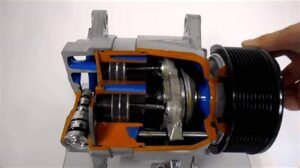
- Compressor
When the refrigerant leaks, it can cause the pressure within the system to drop, leading to a rapid cooling of the refrigerant. As moisture condenses and freezes, it creates visible frost, which can restrict airflow and affect the AC’s overall performance. If you encounter this issue, it’s essential to have a qualified technician inspect your vehicle’s AC system for leaks and to determine the appropriate course of action.
Seeing frost accumulation on AC components is one of the telling signs that you may have a refrigerant leak, warranting further investigation and repair.
Signs That Point To An Underlying Mechanical Issue
The presence of refrigerant leaks in your vehicle’s air conditioning system can sometimes be a symptom of more serious mechanical issues. Recognizing the signs that may indicate underlying problems is crucial for preventing further damage and ensuring efficient vehicle operation. Here are some key indicators to watch for:
- Frequent Compressor Cycling: If you notice your AC compressor turning on and off more than usual, it may signal an issue with refrigerant levels or system pressure.
- Increased Fuel Consumption: A malfunctioning AC system can lead to increased drag on the engine, causing it to burn more fuel and affect overall performance.
- Cooling System Issues: Problems with the engine cooling system can often correlate with AC performance. Look for signs like overheating or coolant leaks.
- Electrical Issues: If your AC and other electrical components start behaving unpredictably, such as blowing fuses, it may indicate a wiring or system control problem.
- Poor Airflow: If airflow from the vents is weak even after adjusting the settings, there could be blockages or failures within the system that need investigation.
Being vigilant about these signs that point to underlying mechanical issues can help you address refrigerant leaks proactively and maintain your vehicle in optimal condition. If you encounter multiple symptoms simultaneously, it may be wise to consult with a professional to diagnose and rectify any potential problems.

Frequently Asked Questions
What are common signs of a refrigerant leak in a vehicle?
Common signs include a decrease in cooling efficiency, hissing or bubbling noises under the dashboard, and visible signs of oil or dye around the AC components.
How can I identify a refrigerant leak?
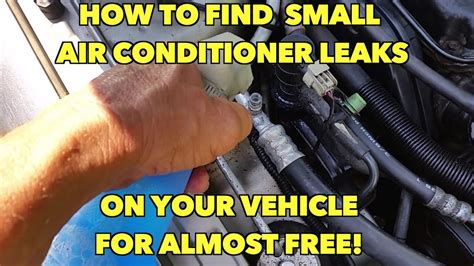
You can identify a refrigerant leak by inspecting the AC system for moisture or oil stains, checking for a hissing sound when the AC is running, and using an AC leak detection dye.
What should I do if I suspect a refrigerant leak?
If you suspect a refrigerant leak, it is best to take your vehicle to a qualified mechanic who can perform a thorough inspection and repairs.
Can driving with a refrigerant leak harm my vehicle?
Yes, driving with a refrigerant leak can cause further damage to your AC system and may lead to more expensive repairs down the line.
What can cause refrigerant leaks in vehicles?
Refrigerant leaks can be caused by various factors, including wear and tear on AC components, faulty seals, and corrosion of metal parts.
Is it safe to add refrigerant to a vehicle’s AC system if there’s a leak?
No, adding refrigerant to a leaking system is not safe or advisable, as it will not solve the underlying issue and could lead to environmental harm.
How often should I have my vehicle’s AC system checked for leaks?
It’s a good idea to have your vehicle’s AC system checked for leaks at least once a year or during regular maintenance to ensure optimal performance.