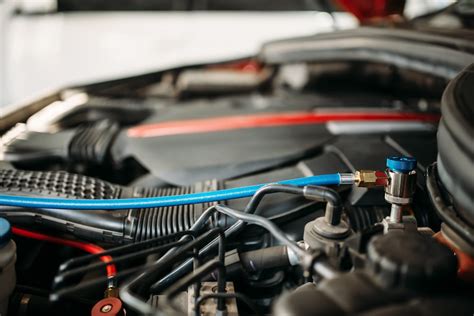
Explore essential tips for vehicle air conditioning inspections, efficiency improvements, key components checked, and the benefits of regular maintenance. As summer heat intensifies, ensuring your vehicle’s air conditioning system is in optimal condition becomes paramount.
A comprehensive vehicle air conditioning inspection can enhance your comfort on the road while preventing costly repairs down the line. In this article, we’ll outline what you can expect during an air conditioning inspection, from key components that technicians evaluate to the benefits of regular maintenance.
By understanding the inspection process and its impact on your vehicle’s efficiency, you’ll be better prepared to enjoy a cool, pleasant driving experience. Whether it’s identifying common issues or knowing what steps to take if problems arise post-inspection, we’ve got you covered. Dive in to learn more about maintaining your vehicle’s vital cooling system and keeping your ride comfortable all summer long.
What To Look For During A Vehicle Air Conditioning Inspection
During a vehicle air conditioning inspection, there are several critical aspects to evaluate to ensure the system is functioning efficiently. Here are key elements to focus on:
- Refrigerant Levels: Checking the refrigerant level is essential, as low levels can indicate leaks or inefficiencies within the system. An adequate level is crucial for optimal cooling performance.
- System Operation: Pay close attention to how the air conditioning system operates. The technician should assess whether the air is cool enough, the blower motor functions well, and whether there are any unusual noises during operation.
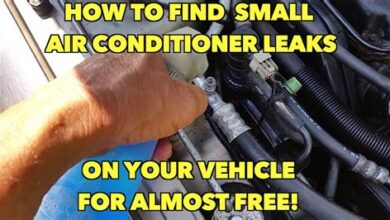
- Visual Inspection: Inspect the components for any visible damage, including hoses, seals, and connections. Cracks or wear in these parts can lead to refrigerant loss and system failure.
- Air Quality: Evaluate the quality of air coming from the vents. Foul odors or excessive dust may indicate mold growth in the cabin air filter or ductwork, which should be addressed promptly.
- Temperature Differential: Measure the temperature difference between the air intake and the air blowing out. A significant difference can indicate effective cooling, while minimal variation suggests issues that need to be resolved.
By focusing on these elements during an inspection, vehicle owners can ensure their air conditioning system remains reliable and efficient, leading to a more comfortable driving experience.
How An Inspection Can Improve Your Air Conditioning Efficiency
Regular inspections are vital for maintaining the efficiency of your vehicle’s air conditioning system. A thorough what to expect during a vehicle air conditioning inspection can significantly impact how well your system operates. Here’s how an inspection can help:
- Early Detection of Problems: Inspectors can identify potential issues before they escalate, such as leaks or worn-out components. Fixing these problems early on ensures your system runs efficiently.
- Optimal Refrigerant Levels: An inspection checks the refrigerant levels, ensuring that they are within the manufacturer’s specifications. Correct refrigerant levels are crucial for optimal system performance.
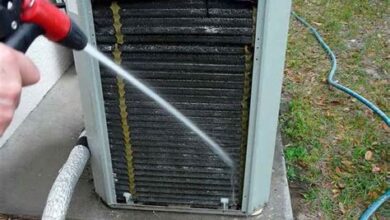
- System Cleanliness: A clean air conditioning system improves airflow and cooling efficiency. Inspections often include cleaning components such as the condenser and evaporator, which can enhance their performance.
- Temperature Checks: Inspectors will evaluate the air temperature coming from the vents, helping you understand if your system is cooling your vehicle effectively.
- Energy Efficiency: A well-maintained air conditioning system consumes less power, contributing to better fuel economy. Inspections can help ensure that the system operates as efficiently as possible.
By investing in regular air conditioning inspections, you can ensure your vehicle’s AC system remains effective and efficient, thus improving your overall driving experience.
Key Components Checked During A Vehicle Air Conditioning Inspection
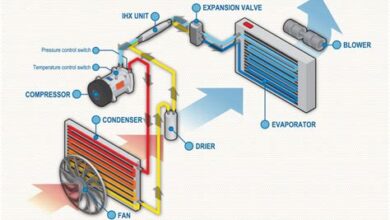
During a vehicle air conditioning inspection, several key components are meticulously checked to ensure that your system operates efficiently and effectively. Understanding these components can help you appreciate the importance of maintaining your car’s air conditioning system. Here are the primary elements that technicians examine:
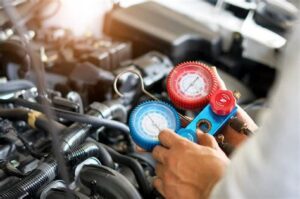
- Refrigerant Level: The amount of refrigerant in the system is crucial for optimal performance. Low levels may indicate leaks or other issues.
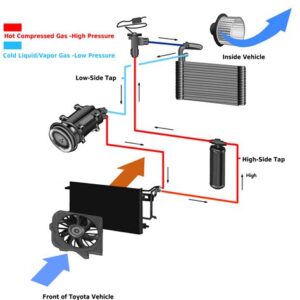
- Compressor: This component helps circulate the refrigerant throughout the AC system. Technicians will check for signs of wear and proper function.
- Condenser: The condenser cools the refrigerant by releasing heat. Inspectors will look for blockages, damage, or corrosion.
- Evaporator: This unit absorbs heat from the cabin air. A thorough inspection will reveal any potential issues that could affect airflow.
- Hoses and Fittings: All hoses and connections are examined for cracks, leaks, or deterioration, as these can lead to system failure.
- Cabin Air Filter: A dirty filter can restrict airflow and reduce efficiency. Check if it needs to be cleaned or replaced.
- Blower Motor: This component is responsible for distributing cool air inside the vehicle. It’s tested to ensure adequate airflow.
- Temperature Readings: Technicians will measure the temperature at the vents to ensure the system is cooling properly.
- Electrical Components: Any electronic controls and connections are checked for functionality, as they play a vital role in AC performance.
- Drainage System: The drain for moisture removal is inspected to prevent build-up and potential water leakage inside the vehicle.
Regular checks of these key components will not only ensure the comfort of your driving experience but also extend the lifespan of your vehicle’s air conditioning system. Neglecting any of these checks can result in reduced efficiency and more significant problems down the line.
What To Do If Your Air Conditioning Fails After Inspection
If your vehicle’s air conditioning system fails after an inspection, it can be frustrating. However, there are several steps you can take to address the issue effectively:
- Contact the Inspection Service: Reach out to the shop or technician who performed the inspection. Discuss the symptoms and the timeline of your AC issues, as this can help them determine if the problem may have been overlooked during the inspection.
- Review Your Documentation: Go over any reports, invoices, or checklists that were provided after the inspection. Ensure that all necessary checks were completed and verify if any recommendations were made that you might have missed.
- Conduct a Visual Inspection: Sometimes, visible issues can be identified quickly, such as leaks, loose connections, or damaged components. Conducting a quick visual inspection can save time and help you understand what might be wrong.
- Consider a Second Opinion: If you are not satisfied with the initial inspection, consider taking your vehicle to another certified mechanic or workshop for a second opinion. They may identify issues that were not detected earlier.
- Document Everything: Keep detailed records of all communications, inspections, and repairs related to your air conditioning system. This documentation can be helpful if you need to escalate the matter or seek compensation.
- Explore Your Warranty Options: If your air conditioning system is still under warranty, check with your vehicle’s manufacturer. Some warranties cover AC failures and repairs after inspections, which may save you costs.
By taking these measures, you can ensure that any issues with your vehicle’s air conditioning system are addressed promptly and effectively, allowing you to stay comfortable while driving.

Understanding The Benefits Of Regular Vehicle Air Conditioning Inspections
Regular vehicle air conditioning inspections are essential for maintaining a comfortable and efficient driving experience. Here are some significant benefits of scheduling these inspections:
- Improved Air Quality: An inspection can identify and eliminate contaminants in the air conditioning system, ensuring that the air you breathe inside your vehicle is clean.
- Enhanced System Longevity: By detecting minor issues early, regular inspections can prevent more significant problems that might lead to costly repairs or complete system failure.
- Optimal Performance: Inspections help ensure that your air conditioning system is functioning at its best, providing the desired temperature and comfort levels more efficiently.
- Fuel Efficiency: A well-maintained system can improve your vehicle’s fuel efficiency, as it reduces the load on the engine and optimizes energy consumption.
- Cost Savings: Addressing issues during routine inspections can save you money in the long run, as you avoid unexpected breakdowns and expensive repairs.
Making it a habit to have your vehicle air conditioning system inspected regularly is a proactive step that delivers substantial benefits. Prioritizing these inspections helps ensure your system is in top shape and contributes to a smoother, more enjoyable driving experience.
Frequently Asked Questions
What is the purpose of a vehicle air conditioning inspection?
The purpose of a vehicle air conditioning inspection is to ensure that the AC system is functioning properly, to identify any potential issues, and to enhance the overall comfort and performance of your vehicle.
How often should I have my vehicle’s air conditioning system inspected?
It is generally recommended to have your vehicle’s air conditioning system inspected at least once a year, especially before the summer months when the system will be used more frequently.
What are the main components checked during an AC inspection?
During an AC inspection, technicians typically check components such as the compressor, condenser, evaporator, hoses, refrigerant levels, and any signs of leaks or wear.
What are common symptoms of a failing air conditioning system?
Common symptoms of a failing air conditioning system include weak airflow, warm air blowing from the vents, unusual noises when the AC is on, and visible leaks under the vehicle.
Can I visually inspect my vehicle’s AC system myself?
While some aspects of the AC system can be visually inspected, such as checking for leaks or damage to hoses, it is advisable to have a professional technician conduct a thorough inspection for a complete assessment.
What should I expect during the air conditioning inspection process?
During the inspection process, a technician will perform a series of tests, including checking refrigerant levels, inspecting components for wear or damage, and evaluating the performance of the AC system to ensure it meets manufacturer specifications.
Are there any maintenance tips to prolong the life of my vehicle’s air conditioning system?
To prolong the life of your vehicle’s air conditioning system, keep the system running periodically during colder months, ensure the cabin air filter is replaced regularly, and promptly address any performance issues that arise.