
Learn how to assess your air conditioning system’s performance, maintain efficiency, select coolants, and upgrade components for optimal cooling efficiency. Is your vehicle’s air conditioning system struggling to keep you cool during the sweltering summer months?
You’re not alone. Many drivers face challenges with air conditioning efficiency as temperatures rise, making it crucial to understand how to optimize your system. In this article, we’ll provide you with essential tips to enhance your vehicle’s air conditioning performance.
From assessing your current system and performing regular maintenance to choosing the right coolants and upgrading components, we’ll cover everything you need to know for a comfortable driving experience. Whether you’re a seasoned car owner or a new driver, our comprehensive guide will help ensure your air conditioning works effectively, keeping you cool on every journey. Let’s dive in and transform your vehicle’s air conditioning performance today!
Assess Your Current Air Conditioning System Performance
To ensure that your vehicle’s air conditioning system is performing at its best, it’s essential to carry out a thorough assessment. Here are some tips to evaluate its current performance:
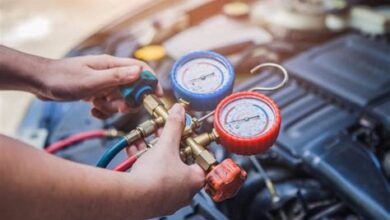
- Check Refrigerant Levels: Low refrigerant levels can hinder system performance. Use a gauge to check if levels are sufficient and refill when necessary.
- Listen for Unusual Noises: Sounds like hissing, clicking, or grinding may indicate problems within the AC system. Identifying these sounds early can prevent more significant issues later.
- Monitor Airflow: Ensure that the airflow from the vents is strong and consistent. Clogged filters or ducts can reduce efficiency, so replacing the cabin air filter is a simple but crucial step.
- Assess Temperature Output: Use a thermometer to measure the temperature of the air coming from the vents. It should be significantly cooler than the ambient temperature outside. If not, further investigation is needed.
- Inspect the Compressor: The AC compressor is vital for cooling. Ensure it engages correctly when the AC is turned on and that there are no visible signs of damage or leaks.
By following these tips to assess your air conditioning system, you can gain insights into its performance and identify areas that may need attention or repair. Regular assessments can significantly extend the lifespan and efficiency of your vehicle’s AC system, keeping you comfortable throughout warm weather.
Regular Maintenance Tips To Keep It Running Smoothly
Maintaining your vehicle’s air conditioning system is crucial for ensuring optimal performance and longevity. Here are some tips to help you keep your air conditioning running smoothly:
- Check the Cabin Air Filter: Regularly inspect and replace the cabin air filter as needed. A clogged filter can restrict airflow, making it harder for your AC to cool the interior effectively.
- Inspect Refrigerant Levels: Ensure your air conditioning system has the correct refrigerant levels. Low refrigerant can lead to inefficient cooling and may indicate leaks in the system.
- Clean the Condenser Coils: The condenser coils can accumulate dirt and debris, impeding their ability to release heat. Regularly clean them to promote better efficiency.
- Run the AC Regularly: Even in cooler months, run your AC for a few minutes every month. This helps maintain the lubricants in the system and prevents components from drying out and becoming damaged.
- Check for Leaks: Inspect hoses and connections for signs of wear and leaks. Addressing these issues promptly can save you from more significant repair costs later.
- Schedule Professional Inspections: Have your air conditioning system checked by a professional annually. This allows for thorough diagnostics and preventive maintenance that you may overlook.
By following these tips to maintain your air conditioning system, you can enjoy improved efficiency and a more comfortable ride year-round.

Understand How Interior Temperature Affects Efficiency
The temperature inside your vehicle plays a crucial role in the efficiency of your air conditioning system. When the interior temperature rises significantly, your air conditioning unit must work harder to achieve the desired comfort level. Here are some tips to optimize your vehicle’s internal climate for better air conditioning efficiency:
- Park in the Shade: Whenever possible, park your vehicle in shaded areas to prevent the cabin from overheating. This can reduce the initial load on the air conditioning system.
- Use Sunshades: Sunshades can reflect sunlight and help lower your vehicle’s internal temperature when parked, translating to a more efficient cooling process once you start driving.
- Crack Windows: Allowing hot air to escape before turning on the air conditioning can significantly reduce the workload on the system. Cracking the windows while parked for a few minutes can facilitate this process.
- Utilize Recirculating Air Mode: By using the recirculate option, the air conditioning system can cool the already chilled air within the cabin rather than drawing in hot air from outside, enhancing cooling efficiency.
- Limit Cabin Input: Minimize the number of times you open your vehicle doors or windows, as this can increase the interior temperature and cause your air conditioning to work harder.
By understanding how the interior temperature affects the overall efficiency of your air conditioning system, you can implement these tips to create a more comfortable environment in your vehicle while reducing energy consumption. Adopting these simple practices can lead to a more effective air conditioning performance, improving both comfort and efficiency.
Choose The Right Coolants For Optimal Performance
Using the proper coolants in your vehicle’s air conditioning system is crucial for its efficiency and longevity. High-quality coolants not only enhance cooling performance but also help in maintaining system pressure and preventing damage to components. Here are some key tips to consider when choosing the right coolants:
- Understand the Specifications: Always refer to your vehicle’s owner manual for factory recommendations on coolant types. Most vehicles require either R-134a or R-1234yf refrigerants. Using the wrong type can lead to inefficient cooling and system damage.
- Consider Synthetic Options: Synthetic coolants typically offer better performance and stability over time compared to traditional options. They are designed to work efficiently in a broader temperature range, helping to maintain system efficiency.
- Check for Compatibility: If you’re mixing coolants or topping off your system, ensure that the new coolant is compatible with the existing one. Incompatible coolants can lead to chemical reactions that may damage your AC system.
- Look for Eco-Friendly Choices: More manufacturers are producing eco-friendly coolants that have less impact on the environment. These can be a great option if you are concerned about environmental effects.
- Regularly Monitor Coolant Levels: Periodically check your coolant levels and refill as necessary. Low coolant levels can hinder performance and increase wear on your air conditioning system.
Incorporating these tips to choose the right coolants will significantly enhance your vehicle’s air conditioning efficiency and help you avoid costly repairs down the line.
Upgrade Components For Enhanced Air Conditioning Efficiency
If you’re looking to maximize the efficiency of your vehicle’s air conditioning system, upgrading certain components can be a game changer. Here are some crucial tips to consider when thinking about component upgrades:
- High-Performance Compressors: Replacing your standard compressor with a high-performance model can significantly improve cooling power and efficiency. These compressors are designed to handle more refrigerant and operate at lower temperatures.
- Condenser Upgrades: A larger or more efficient condenser can enhance airflow and heat dissipation, allowing your A/C system to cool the interior more rapidly. Consider an aftermarket upgrade designed for better heat exchange.
- Expansion Valves: Upgrading the expansion valve can optimize refrigerant flow and prevent excessive pressure build-up, helping to maintain an efficient cooling operation.
- High-Quality Filters: Installing enhanced cabin and A/C filters can improve airflow and prevent contaminants from entering the system, which can impact its efficiency over time.
- Improved Ductwork: Ensuring that ductwork is sealed and replaced if necessary can reduce air leaks, which is essential for maintaining an efficient air conditioning system. This ensures all cool air produced reaches the cabin effectively.
Incorporating these upgrades into your vehicle can not only enhance the efficiency of your air conditioning system but also elevate overall comfort during the hot summer months. To maintain optimal performance, always consult with a qualified technician before making significant changes to your system.

Frequently Asked Questions
What are the main factors that affect vehicle air conditioning efficiency?
Key factors include refrigerant levels, compressor functionality, air filter cleanliness, and overall vehicle maintenance.
How often should I have my vehicle’s air conditioning system serviced?
It’s recommended to have your air conditioning system checked at least once a year, especially before the summer months.
What signs indicate that my vehicle’s air conditioning is not operating efficiently?
Signs include insufficient cooling, unusual noises from the AC unit, strange smells, or frequent cycling on and off.
Can I improve the AC efficiency by using my vehicle’s windows?
Yes, keeping windows closed while using the AC can improve efficiency, as open windows can disrupt airflow and force the system to work harder.
What simple steps can I take to maintain my car’s air conditioning system?
Regularly replace the cabin air filter, keep the AC system clean, maintain proper refrigerant levels, and check for leaks.
Does running the air conditioning at a lower temperature help it work better?
Not necessarily; setting the temperature to a lower setting than needed does not cool your vehicle faster and may consume more energy.
Is it beneficial to use the ‘recirculate’ mode on my vehicle’s AC?
Yes, using the ‘recirculate’ mode can improve efficiency by reusing the already cooled air inside the vehicle rather than drawing in hot outside air.