Explore common vehicle air conditioning airflow issues, diagnosis tips, maintenance benefits, effective filter cleaning, optimal settings for comfort, and frequently asked questions. When it comes to ensuring a comfortable ride, optimizing airflow in your vehicle’s air conditioning system is essential.
A well-functioning AC not only cools the cabin on hot days but also improves overall air quality, making every journey more enjoyable. However, airflow issues can compromise the effectiveness of your system, leading to discomfort and inefficiency. In this article, we’ll delve into the common problems affecting vehicle AC airflow and guide you through simple yet effective strategies to diagnose and resolve these issues.
From regular maintenance practices to cleaning and replacing filters, we will provide you with the knowledge you need to enhance your vehicle’s cooling performance. Let’s uncover the secrets for achieving that perfect climate inside your car, ensuring you stay cool and comfortable on every drive.
Understanding Airflow Issues In Vehicle Air Conditioning
Airflow issues in vehicle air conditioning systems can lead to discomfort and reduced efficiency. A well-functioning AC system should provide consistent and powerful airflow throughout the cabin. However, various factors can impede this optimal performance. Understanding these issues is crucial for resolving them effectively.
One common problem is the buildup of debris in the air intake and the AC unit itself. Dust, leaves, and other particles can block airflow, leading to reduced cooling capacity. Additionally, clogged or dirty air filters can significantly restrict airflow, preventing cool air from reaching the passengers.
Another factor to consider is the performance of the blower motor. If the blower motor is malfunctioning or weak, it won’t be able to push air through the ducts efficiently. This can create hot spots in the cabin and cause a general lack of airflow.
Moreover, the design of the air distribution system plays a critical role in how air flows inside the car. Leaks in the ductwork can lead to air pressure imbalances, affecting the system’s ability to circulate air properly.
Signs of airflow issues can include:
- Inconsistent cooling across the cabin.
- Unusual noises from the AC unit.
- Weak airflow from the vents.
- Unexpected odors coming from the vents.
By being aware of these airflow issues and their symptoms, you can take proactive steps to diagnose and address underlying problems. Understanding how to effectively manage airflow in your vehicle’s air conditioning system is essential for maintaining comfort and efficiency on the road.
How To Diagnose Problems Affecting Airflow
Diagnosing airflow issues in your vehicle’s air conditioning system is essential for maintaining comfort and efficiency. Here are some effective steps to help you identify the root causes of your vehicle’s airflow problems:
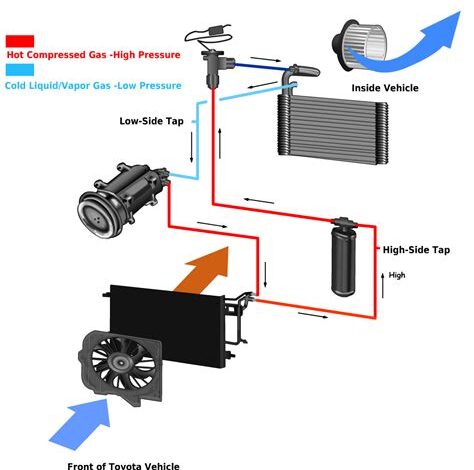
- Inspect the AC Components: Begin by examining the obvious components such as the AC compressor, condenser, and evaporator. Look for any visible signs of damage or leaks.
- Check the AC Filters: Clogged or dirty filters can significantly hinder airflow. Ensure that you assess and, if necessary, replace these filters regularly.
- Listen for Unusual Noises: While the system is running, listen for any strange sounds like rattling or hissing that might indicate a blockage or malfunctioning part.
- Test the AC Settings: Experiment with different temperature and fan speed settings. If the airflow varies significantly, this might signal an issue that requires further investigation.
- Examine Ductwork: Inspect the ductwork for any obstructions or disconnections. Blocked or damaged ducts can prevent conditioned air from reaching the interior of your vehicle.
- Utilize Diagnostic Tools: If you’re equipped with professional diagnostic tools, use them to check for error codes related to the air conditioning system, which can direct you to potential issues.
- Consult a Professional: If you are unable to identify the problem on your own, consider seeking the help of a certified technician who can provide expert diagnoses and repairs.
By following these steps on how to diagnose airflow problems, you should be able to pinpoint the issue and take the necessary actions to optimize the performance of your vehicle’s air conditioning system.
Benefits Of Regular Maintenance For Airflow Optimization
Regular maintenance of your vehicle’s air conditioning system is essential for ensuring optimal airflow. When it comes to how to maintain efficiency, several key benefits emerge:
- Improved Performance: By routinely cleaning and servicing your AC, you can significantly enhance the system’s performance. This translates to a more effective cooling process and consistent airflow throughout the cabin.
- Extended System Life: Just like any mechanical system, your vehicle’s air conditioning unit benefits from regular upkeep. Maintenance helps identify and resolve minor issues before they escalate into major problems, thus prolonging the lifespan of the unit.
- Energy Efficiency: An optimized airflow leads to better energy consumption. Well-maintained systems use less power, resulting in improved fuel efficiency and lower energy costs.
- Enhanced Air Quality: Regular maintenance includes cleaning ducts and replacing filters, which prevents the buildup of dust, allergens, and other pollutants. This contributes to better air quality inside the vehicle.
- Cost-Effective: Investing in regular maintenance can save money in the long run. By catching issues early, you can avoid costly repairs and replacements, making it a wise choice for any vehicle owner.
Understanding the benefits of regular maintenance for your vehicle’s air conditioning system is crucial when considering how to maintain optimal airflow and comfort. By prioritizing these practices, you ensure a reliable and efficient system that enhances your driving experience.
Steps To Clean And Replace AC Filters Effectively
Maintaining optimal airflow in your vehicle’s air conditioning system is crucial, and one of the essential steps is ensuring that the AC filters are clean and functioning properly. Here’s how to clean and replace your AC filters effectively:
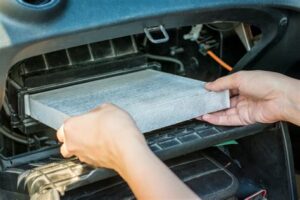
- Locate the AC filters:Typically, your vehicle’s AC filters can be found either inside the cabin or under the hood. Refer to your owner’s manual for the specific location.
- Remove the filters carefully:Once located, gently remove the filters. Be cautious not to damage any surrounding components.
- Inspect the filters:Check for visible dirt, debris, or damages. If the filters are excessively dirty or torn, it’s time to replace them.
- Clean the filters:If the filters are still in good condition, you can clean them using either compressed air to blow out the dust or a vacuum cleaner for more thorough cleaning. Be sure to follow specific cleaning recommendations for your filter type.
- Replace with new filters if necessary:If the filters are beyond cleaning, buy the correct replacement filters that match your vehicle model specifications.
- Reinstall the filters:After cleaning or replacing, carefully reinstall the filters back in their designated positions. Ensure they fit snugly and securely.
- Test the AC system:Turn on your vehicle’s air conditioning system to ensure proper airflow. If you notice any issues, double-check the installation of the filters.
By following these steps, you will not only improve the airflow in your vehicle’s air conditioning system but also enhance overall comfort and efficiency. Regular maintenance, including an understanding of how to clean and replace AC filters, will contribute significantly to your system’s longevity and performance.

Identifying Optimal Airflow Settings For Comfort
Optimizing the airflow settings in your vehicle’s air conditioning system can significantly enhance your driving experience. It not only contributes to your comfort but also ensures efficient cooling and heating. Here are some strategies to help you make the most out of your AC system:
- Understand Your Preferences: Each passenger may have different comfort levels. It’s important to adjust the airflow settings to cater to individual preferences. Experiment with different settings to find what works best for you.
- Use Dual Climate Controls: If your vehicle is equipped with dual-zone climate control, take advantage of this feature. It allows both the driver and passenger to set their desired temperature and airflow direction independently, enhancing overall comfort.
- Positioning of Vents: Direct airflow towards the body rather than straight into the face. Adjust the vent positions to guide a gentle airflow around the cabin. This method can help create a more pleasant atmosphere without the chill of direct airflow.
- Selecting Recirculation Mode: Use the recirculation mode to maintain consistent cabin temperatures. It recycles the air inside the vehicle, which can cool quicker than drawing in hot outside air. Just be cautious about using it for extended periods to prevent humidity build-up.
- Adjust Fan Speed: Set the fan speed according to external temperatures. For extreme heat, a higher fan speed is beneficial initially, then gradually decrease it as the vehicle cools down to maintain comfort.
By applying these steps, you can effectively identify the optimal airflow settings that enhance your comfort while driving. Regularly revisiting these settings as external conditions change will further ensure that your vehicle remains a comfortable haven in all seasons. Remember, knowing how to adjust your vehicle’s AC settings plays a crucial role in enjoying a pleasant ride.

Frequently Asked Questions
Why is optimizing airflow important in a vehicle’s air conditioning system?
Optimizing airflow is essential for ensuring that the air conditioning system effectively cools the cabin, improves fuel efficiency, and enhances overall comfort for passengers.
What are common signs that the airflow in my vehicle’s AC system is not optimized?
Common signs include weak airflow from vents, uneven cooling in the cabin, strange noises coming from the AC unit, and a noticeable increase in cabin humidity.
How can I improve the airflow in my vehicle’s air conditioning system?
You can improve airflow by regularly replacing or cleaning the cabin air filter, ensuring that the vents are not blocked, checking for leaks in the ductwork, and having the system professionally serviced.
Does using recirculate mode help optimize AC airflow?
Yes, using recirculate mode helps to optimize airflow by cooling the already chilled air inside the cabin rather than drawing in hot outside air, making the system more efficient.
Can I optimize the airflow in my vehicle AC myself, or should I seek professional help?
Many basic maintenance tasks, such as changing the cabin air filter and cleaning vents, can be done yourself. However, for more complex issues, like duct leaks or refrigerant levels, it’s advisable to seek professional assistance.
What role does temperature control play in optimizing AC airflow?
Proper temperature control can significantly affect airflow. Setting the temperature to a comfortable yet efficient level helps the system work more effectively, preventing strain and optimizing performance.
Are there any aftermarket products that can help with airflow optimization?
Yes, aftermarket products such as performance air filters, vent deflectors, and upgraded blower motors can help improve the efficiency of your vehicle’s air conditioning system and enhance airflow.