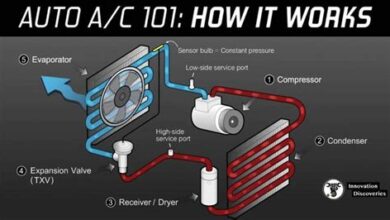

Explore how emerging technologies and eco-friendly solutions are revolutionizing vehicle air conditioning systems for enhanced comfort and efficiency in modern vehicles. In an era where comfort and sustainability are paramount, innovations in vehicle air conditioning technology are transforming the driving experience.
Gone are the days of basic cooling and heating systems; today’s advanced air conditioning solutions not only provide optimal climate control but also enhance vehicle efficiency and reduce environmental impact. As emerging technologies redefine how we think about in-car comfort, the benefits of these improvements extend beyond mere convenience.
From smart climate control systems that personalize temperature settings to eco-friendly refrigerants that lower carbon footprints, the landscape of vehicle air conditioning is rapidly evolving. In this article, we will explore the latest advancements and future trends shaping this vital component of modern vehicles, ensuring that every journey is as enjoyable as it is environmentally responsible.
Emerging Technologies Driving Innovations In Vehicle Air Conditioning
The landscape of vehicle air conditioning is experiencing a remarkable transformation, primarily driven by the latest technological advancements. These innovations in air conditioning technology not only improve performance but also ensure sustainability and energy efficiency.
- Variable Refrigerant Flow (VRF): This technology allows for precise control over the cooling output by adjusting the flow of refrigerant according to the needs of specific areas within the vehicle. As a result, it greatly enhances the energy efficiency of the air conditioning system.
- Integrated Climate Control Systems: By combining heating, ventilation, and air conditioning into a single, cohesive system, manufacturers can optimize cabin conditions in real-time. These systems utilize advanced sensors and algorithms to adjust temperature and airflow based on passenger presence and preferences.
- Advanced Sensors and AI: The incorporation of smart sensors and artificial intelligence enables vehicles to monitor internal and external conditions continuously. This technology helps anticipate temperature changes and adjust the air conditioning settings accordingly, leading to improved comfort and energy savings.
- Thermoelectric Cooling: Utilizing solid-state technology, thermoelectric cooling systems provide a more environmentally friendly alternative by eliminating the need for refrigerants. This innovation aligns with the broader trend towards eco-friendly solutions in the automotive industry.
- Automated Ventilation Systems: Some modern vehicles now employ automated systems that can open windows or adjust the airflow based on the vehicle’s interior temperature and external weather conditions, optimizing both comfort and energy consumption.
These emerging technologies underscore the ongoing innovations in vehicle air conditioning, paving the way for a future where climate comfort and energy efficiency coexist harmoniously.
Benefits Of Advanced Air Conditioning Systems In Modern Vehicles
Advanced air conditioning systems in modern vehicles bring a multitude of benefits that greatly enhance both the driving experience and vehicle efficiency. These innovations in air conditioning technology not only improve the comfort for passengers but also contribute to overall vehicle performance.
Here are some key benefits:
- Enhanced Comfort: With more sophisticated climate control settings, advanced systems allow for precise temperature adjustments, ensuring that all passengers remain comfortable regardless of external weather conditions.
- Improved Air Quality: Many modern systems incorporate advanced filtration methods, reducing allergens and pollutants inside the vehicle, which is particularly beneficial for individuals with respiratory issues.
- Energy Efficiency: Innovations in air conditioning technology provide better energy management, which can lead to lower fuel consumption and improved overall vehicle efficiency.
- Smart Features: Features such as automatic climate control, predictive temperature adjustments based on external conditions, and integration with vehicle infotainment systems enhance the user experience.
- Reduction in Noise Levels: Modern systems are designed to operate more quietly, contributing to a more peaceful driving environment.
- Environmental Impact: Newer air conditioning systems are often more eco-friendly, utilizing refrigerants with lower global warming potential, helping to reduce the environmental footprint of vehicles.
The innovations in vehicle air conditioning not only focus on improving comfort but also aim to enhance energy efficiency and reduce environmental impact, making them a significant advancement in the automotive industry.

How Smart Climate Control Enhances Passenger Comfort And Efficiency
Smart climate control systems represent a significant leap in how vehicles manage their internal environments, contributing to greater passenger comfort and operational efficiency. By integrating advanced sensors and algorithms, these systems can automatically adjust temperature, humidity, and airflow based on real-time conditions both inside and outside the vehicle.
One of the key features of smart climate control is its ability to personalize the climate settings for different passengers. For instance, some systems allow individual climate zones, enabling drivers and passengers to set their preferred temperatures independently. This ensures optimal comfort and satisfaction for everyone on board without compromising energy usage.
Moreover, innovations in smart climate control systems lead to increased energy efficiency. By utilizing data analytics, these systems can predict climate needs and optimize the operation of the air conditioning unit, reducing energy consumption while still maintaining a comfortable atmosphere. This is particularly beneficial in electric and hybrid vehicles, where conserving energy is crucial.
Additionally, many smart climate systems integrate with the vehicle’s navigation and time management features. For example, pre-conditioning can adjust the interior temperature before the driver even gets in, ensuring that the vehicle is at a comfortable temperature as soon as they start their journey. This proactive feature not only enhances comfort but also enhances the overall driving experience.
innovations in smart climate control technology increasingly contribute to enhanced passenger comfort and vehicle efficiency, making modern vehicles more enjoyable and environmentally friendly.
The Role Of Eco-Friendly Refrigerants In Air Conditioning Innovations
As the automotive industry increasingly focuses on sustainability, the role of innovations in eco-friendly refrigerants has become paramount in vehicle air conditioning systems. Traditional refrigerants, such as hydrofluorocarbons (HFCs), have been known to contribute to ozone depletion and climate change. In response, manufacturers are now prioritizing the development and adoption of refrigerants that have a lower environmental impact and improved efficiency.
One of the leading alternatives is R-1234yf, a hydrofluoroolefin (HFO) that has significantly lower global warming potential than traditional refrigerants. This represents one of the major innovations in the field, enabling vehicles to provide effective cooling while also meeting regulatory demands for reduced emissions.

Furthermore, natural refrigerants such as carbon dioxide (CO2) and ammonia are gaining traction due to their minimal environmental footprint. CO2, in particular, is being explored in many new models for its energy efficiency and non-toxic properties, showcasing the potential for innovative approaches to air conditioning systems in vehicles.
Using these eco-friendly refrigerants not only supports the automotive industry’s sustainability goals but also aligns with customer demand for greener technologies. As consumers continue to seek out environmentally responsible options, the shift towards advanced refrigerants will likely be a key player in enhancing the overall appeal of modern vehicles.
Looking ahead, ongoing research and development will undoubtedly result in even more efficient and sustainable refrigerant solutions. The integration of these innovations will pave the way for a cleaner, more sustainable future for vehicle air conditioning systems.
Future Trends Shaping Innovations In Vehicle Air Conditioning Technology
As the automotive industry continues to evolve, the innovations in vehicle air conditioning technology are expected to keep pace. Here are some key trends that are set to influence the future of air conditioning systems in vehicles:
- Integration with Electric and Hybrid Vehicles: With the rise of electric and hybrid vehicles, air conditioning systems must be optimized for energy efficiency. Future systems will likely incorporate advanced heat pump technology that utilizes ambient temperatures to regulate vehicle climate without draining battery life.
- Advanced Sensors and IoT Connectivity: The incorporation of smart sensors and IoT technology will enhance system control. Vehicles equipped with these innovations can monitor climate conditions and adjust settings automatically, ensuring optimal comfort while maximizing energy efficiency.
- Personalized Climate Control: Innovations in vehicle air conditioning technology will likely lead to systems capable of creating personalized climate zones for each passenger. This means that individuals can select their preferred temperature and air quality settings without affecting others in the vehicle.
- Increased Use of Sustainable Materials: As environmental concerns grow, the use of sustainable materials in air conditioning components will become more prevalent. Manufacturers are increasingly focused on reducing the environmental impact of their products through eco-friendly design methods.
- Improved Air Filtration Systems: Future air conditioning systems will incorporate advanced filtration methods to enhance air quality inside the vehicle. This includes technologies like HEPA filters and UV light sterilization to eliminate allergens and pathogenic contaminants.
- Smart Climate Algorithms: With developments in artificial intelligence, future vehicle air conditioning systems will adopt smart algorithms that predict passenger comfort needs based on historical user preferences and temperature fluctuations.
These trends highlight the ongoing innovations in vehicle air conditioning technology, aimed at providing enhanced comfort, improved efficiency, and a lower environmental footprint. As these advancements come to fruition, they promise to redefine the passenger experience in modern vehicles.

Frequently Asked Questions
What are the latest innovations in vehicle air conditioning technology?
Recent innovations include the use of eco-friendly refrigerants, advanced climate control systems that adapt to driving conditions, and the integration of smart technology for energy efficiency.
How do eco-friendly refrigerants improve vehicle air conditioning systems?
Eco-friendly refrigerants have a significantly lower environmental impact and reduced ozone depletion potential compared to traditional refrigerants, making air conditioning systems more sustainable.
What is smart climate control in vehicle air conditioning systems?
Smart climate control systems utilize sensors and algorithms to adjust temperature and airflow dynamically, ensuring optimal comfort while minimizing energy consumption.
How has the integration of hybrid and electric vehicles influenced air conditioning technology?
The rise of hybrid and electric vehicles has accelerated the development of more energy-efficient air conditioning systems that conserve battery life while maintaining passenger comfort.
What role does artificial intelligence play in modern air conditioning systems for vehicles?
Artificial intelligence allows air conditioning systems to learn user preferences and environmental conditions, enabling personalized climate settings and enhancing overall system efficiency.
What are the benefits of zoned climate control in vehicles?
Zoned climate control enables different temperature settings for various parts of the vehicle, allowing for personalized comfort for each passenger and reducing overall energy usage.
How do advancements in vehicle air conditioning technology impact fuel efficiency?
By improving the efficiency of air conditioning systems, advancements can reduce the load on the engine, thereby enhancing overall fuel efficiency and extending the range of hybrid and electric vehicles.