
Explore how weather affects vehicle air conditioning performance, covering temperature, humidity, maintenance needs, and seasonal preparations for optimal efficiency and comfort. As summer heats up and winter chill sets in, the performance of your vehicle’s air conditioning system can be significantly influenced by the weather.
Understanding how various weather conditions affect your air conditioning not only ensures a comfortable ride but also extends the lifespan of your vehicle’s climate control system. In this article, we’ll explore the intricate relationship between temperature, humidity, and air conditioning efficiency.
We’ll also discuss how seasonal weather changes can dictate your maintenance needs and offer tips on preparing your vehicle for fluctuating climates. Whether you’re navigating through sweltering summers or frosty winters, knowing the effects of weather on your air conditioning can help you stay cool and comfortable all year round. Join us as we dive into the essentials of vehicle air conditioning and discover how to optimize performance regardless of the season.
Understanding How Weather Impacts Vehicle Air Conditioning Performance
The performance of your vehicle’s air conditioning system is significantly influenced by various weather conditions. Understanding how weather affects air conditioning can help you optimize comfort and ensure the system operates efficiently. Here are key aspects to consider:
- Temperature fluctuations: Extreme hot or cold weather can strain the air conditioning system. High temperatures often necessitate maximum cooling, while very low temperatures can hinder the system’s ability to function properly.
- Humidity levels: High humidity can lead to increased moisture inside the vehicle, affecting the cooling efficiency of the air conditioning system. This can result in longer cooling times and a less comfortable environment.
- Exposure to sunlight: Direct sunlight can raise the interior temperature of your vehicle, forcing the air conditioning to work harder to achieve the desired cooling effect. This can lead to decreased system performance and potentially increased wear and tear.
- Weather changes: Sudden shifts in weather, such as thunderstorms or shifts from clear skies to cloud cover, can affect how well your air conditioning operates. For example, high humidity levels during storms may lead to condensation problems.
By acknowledging these factors, you can better understand the relationship between how weather affects your vehicle’s air conditioning performance and take steps to mitigate potential issues. Regular maintenance and seasonal adjustments can play a vital role in maintaining optimal functionality regardless of the weather conditions.
The Role of Temperature in Air Conditioning Efficiency
The efficiency of your vehicle’s air conditioning system is significantly influenced by the surrounding how weather conditions, particularly temperature. As the temperature rises, the demand on your air conditioning system increases, putting additional strain on its components.
When outside temperatures soar, the air conditioning unit has to work harder to cool the cabin to a comfortable level. This can lead to increased fuel consumption and reduced overall efficiency. If your car’s A/C is set to a lower temperature than the ambient temperature, it must operate at a higher capacity, which can wear out its components more quickly.
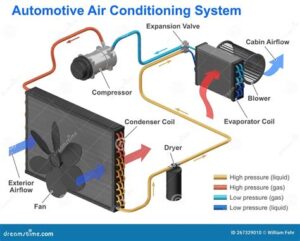
Conversely, during cooler weather, the air conditioning system may not be utilized as much. However, it’s essential to note that even in colder conditions, the A/C system plays a role in dehumidifying the air inside the vehicle. Understanding this dynamic can help you maintain optimum air conditioning performance throughout the year.
Additionally, the temperature differential between the inside of the vehicle and the outside plays a crucial role in how efficiently the air conditioning system operates. An extreme temperature difference can cause the system to work harder, potentially leading to issues like compressor failure or refrigerant leaks. Therefore, maintaining a moderate temperature setting can improve both comfort and longevity for the air conditioning system.
Being aware of how weather affects temperature can help you optimize your vehicle’s air conditioning performance. Regular maintenance and mindful usage can enhance efficiency, save energy, and extend the lifespan of the A/C system.
Humidity Levels and Their Effect on Air Conditioning Systems
Humidity plays a significant role in the efficiency and performance of your vehicle’s air conditioning system. When the humidity level is high, the air becomes saturated with moisture, which can affect how effectively your air conditioning functions. Here are several ways that humidity levels impact vehicle air conditioning systems:
- Increased Load on the AC System: High humidity means that your air conditioning system has to work harder to cool the air inside the vehicle. This can lead to increased energy consumption and strain on the system, potentially shortening its lifespan.
- Cooling Efficiency: In humid conditions, the air conditioning system must remove more moisture from the air before it can cool it down. This often results in longer wait times for the cabin to reach a comfortable temperature.
- Fogging on Windows: Excess humidity can lead to condensation on the vehicle’s windows. An effective air conditioning system should manage this moisture to prevent fogging, ensuring clear visibility while driving.
- Mold and Mildew Growth: If humidity levels remain high for extended periods, the moisture trapped in the vehicle can promote the growth of mold and mildew within the air conditioning system itself. Regular maintenance is essential to prevent these issues.
- Comfort Levels: High humidity can make the cabin feel warmer than the actual temperature, leading to discomfort. An efficient air conditioning system will need to combat this to maintain a pleasant internal environment.
Understanding the relationship between humidity and your vehicle’s air conditioning system is crucial, especially in regions prone to high humidity. Regular maintenance and checks can help ensure that your system operates effectively, regardless of the weather changes. Properly configuring your air conditioning settings during humid conditions can also enhance performance, providing a consistent level of comfort.
How Weather Conditions Influence Air Conditioning Maintenance Needs
Weather conditions can significantly impact the maintenance requirements of your vehicle’s air conditioning system. Understanding how weather affects various components can help in ensuring your AC functions optimally throughout the year.
During how weather changes, like transitioning from a hot summer to a cooler autumn, it’s essential to keep an eye on your air conditioning system. For instance, hot temperatures may lead to increased wear and tear due to greater use, demanding more frequent checks and maintenance. In contrast, in colder conditions, components may remain underutilized, potentially leading to issues when revived, as systems can seize if not used regularly.
Humidity is another critical factor that can influence air conditioning maintenance. In regions with high humidity, moisture can accumulate in the AC system, increasing the risk of mold and mildew. Regular maintenance checks should address these concerns by ensuring proper drainage and inspecting for leaks or blockages in the system.
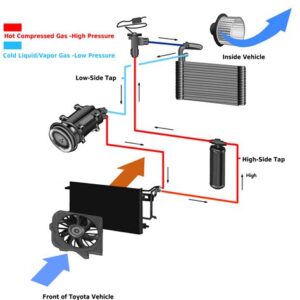
Additionally, seasonal weather patterns can affect the refrigerant levels within the air conditioning system. Extreme temperatures can cause refrigerant to expand or contract, which may lead to pressure imbalances that could necessitate maintenance. Thus, you should consider having a professional inspect and recharge your AC system as part of seasonal maintenance to avoid future issues.
By being proactive about maintenance needs influenced by how weather plays a role in functionality, you ensure that your vehicle remains comfortable and your air conditioning system operates efficiently.
Preparing Your Vehicle’s Air Conditioning for Seasonal Weather Changes
As the seasons change, how weather influences vehicle air conditioning becomes increasingly vital to consider. Proper preparation can enhance your air conditioning system’s longevity and efficiency. Here are several steps you can take to ensure your vehicle’s air conditioning is ready for seasonal transitions:
- Regular Inspections: Schedule regular inspections, especially before summer and winter. Technicians can check for refrigerant levels, leaks, and overall system performance.
- Clean or Replace Filters: Air filters can accumulate dust and debris, impacting airflow. Clean or replace them according to your vehicle’s maintenance schedule to maintain optimal performance.
- Check the Coolant Levels: Ensure that the refrigerant levels are adequate. Low levels can significantly reduce the system’s efficiency, especially in extreme temperatures.
- Inspect Belts and Hoses: Vehicle air conditioning systems rely on belts and hoses for proper function. Inspections can identify wear and tear that could lead to failures.
- Seasonal Adjustments: If possible, consider adjusting your air conditioning settings to accommodate changing temperatures, which may help in ease of use and efficiency.
- Run the System Regularly: Even in colder months, running the air conditioning for 10-15 minutes can help lubricate the components and prevent seals from drying out.
By taking these proactive steps, you can ensure your vehicle’s air conditioning system operates smoothly regardless of how weather conditions fluctuate throughout the year. This not only enhances comfort but can also extend the life of your air conditioning system, making it a worthwhile investment in vehicle maintenance.

Frequently Asked Questions
How does temperature affect vehicle air conditioning performance?
High temperatures can put extra strain on the air conditioning system, making it work harder to cool the vehicle, while lower temperatures may reduce its efficiency.
What role does humidity play in vehicle air conditioning?
Higher humidity levels can make the air conditioning system work harder since it has to remove more moisture from the air to maintain a comfortable environment inside the vehicle.
Can extreme cold weather damage air conditioning systems?
Yes, extreme cold can cause the refrigerant to become less effective, and components like the compressor may experience issues if they haven’t been used for a while.
How often should I maintain my vehicle’s air conditioning system in different weather conditions?
It’s recommended to have your air conditioning system inspected at least once a year, regardless of the weather, but more frequent checks may be necessary in extreme temperature conditions.
Is it possible for sunlight to affect air conditioning performance?
Yes, prolonged exposure to direct sunlight can increase the interior temperature of a vehicle, requiring the air conditioning system to work harder to cool it down.
Can using the air conditioning in hot weather improve my vehicle’s fuel efficiency?
In general, using the air conditioning can reduce fuel efficiency; however, rolling down the windows can create drag that may ultimately consume more fuel than operating the AC.
What signs indicate that my vehicle’s air conditioning is struggling due to weather conditions?
Signs may include weak airflow, unusual noises from the AC system, warm air blowing instead of cold, or visible ice buildup on the evaporator.