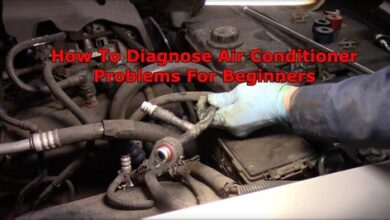

Discover essential tips for maintaining your vehicle’s air conditioning, identifying issues, improving efficiency, and enhancing air quality for a comfortable drive. As the temperatures rise and summer approaches, ensuring your vehicle’s air conditioning system functions effectively becomes essential for a comfortable driving experience.
Without proper maintenance, air conditioning problems can arise, leaving you uncomfortably hot and stressed on the road. In this article, we’ll guide you through preventive measures to keep your AC running smoothly, including simple maintenance tips and early signs of trouble to watch for.
From understanding the critical role of clean air filters to preparing your system for seasonal changes, you’ll gain insight into optimizing your vehicle’s air conditioning performance. Plus, learn how to enhance air quality inside your car for a healthier ride. Before hitting the road for your next adventure, let’s dive into these essential strategies to prevent vehicle air conditioning problems and ensure a chill ride this summer!
How To Regularly Maintain Your Vehicle’s Air Conditioning System
Regular maintenance of your vehicle’s air conditioning system is crucial for ensuring its efficiency and longevity. Here are some essential tips on how to effectively maintain your AC:
- Check Refrigerant Levels: Periodically inspect the refrigerant levels in your system. Low refrigerant can lead to poor cooling performance. If you find that the levels are low, it may be time for a recharge.
- Inspect the AC Components: Regularly examine the AC components such as the compressor, condenser, and evaporator for any signs of wear or damage. Early detection can save you from costly repairs down the line.
- Change the Cabin Air Filter: A clean cabin air filter is essential for optimal airflow and air quality. Replace it according to the manufacturer’s recommendations, usually every 12,000 to 15,000 miles.
- Run the AC Regularly: Even in colder months, run your air conditioning system for about 10 minutes every few weeks. This practice helps maintain the system’s pressure and keeps the seals lubricated.
- Remove Debris: Keep the area around the AC condenser clear of debris, such as leaves and dirt. This allows for better airflow and helps prevent overheating.
- Schedule Professional Inspections: Periodically, have a professional technician inspect your air conditioning system. They can detect issues that may not be apparent during regular checks and ensure everything is functioning smoothly.
By following these steps on how to regularly maintain your vehicle’s air conditioning system, you can ensure that it operates effectively throughout its lifespan.
Identifying Common Signs Of Air Conditioning Troubles
Recognizing the early signs of air conditioning problems can save you time and money. Here are some common indicators that your vehicle’s AC system may need attention:

- Weak Airflow: If you notice that the air coming from the vents is weak or insufficient, it could indicate a clogged air filter or an issue with the blower motor.
- Unpleasant Odors: A musty, moldy, or burning smell when the AC is running could signal mold growth in the system or electrical issues that require immediate inspection.
- No Cold Air: If your AC system is blowing warm air, it might be low on refrigerant, have a compressor issue, or a refrigerant leak that needs to be addressed.
- Strange Noises: Unusual sounds like grinding or hissing when the AC is on can suggest a failing compressor or foreign objects obstructing the system components.
- Frequent Cycling: If your AC frequently turns on and off, it may be overworking due to low refrigerant levels or a faulty thermostat.
- Visible Leaks: Finding puddles of coolant or refrigerant beneath your vehicle can indicate a leak in the AC system that needs urgent repair.
Being vigilant about these signs and understanding how to address them can help maintain your vehicle’s AC system efficiently.
The Impact Of Clean Air Filters On AC Efficiency
Maintaining clean air filters is essential for the optimal performance of your vehicle’s air conditioning system. Air filters are responsible for trapping dust, dirt, and other particulates, preventing them from entering the AC unit and impacting its efficiency. When these filters become clogged, several problems may arise.
Firstly, a dirty air filter restricts airflow, which can lead to the HVAC system working harder to circulate air. This extra strain can cause the system to use more energy, leading to higher fuel consumption. Not only does this increase your expenses at the pump, but it can also shorten the lifespan of the air conditioning system.
In addition, a clogged filter can lead to a decrease in the quality of the air circulated within the vehicle. Pollutants and allergens may bypass the filter, causing discomfort for passengers, particularly those with allergies or respiratory issues.
Regularly checking and replacing air filters is a simple yet crucial maintenance task. It’s recommended to check your vehicle’s air filter every 12,000 to 15,000 miles or per your manufacturer’s guidelines. By doing so, you can improve your AC efficiency and prolong the overall lifespan of your vehicle’s air conditioning system. Keeping your air filters clean not only enhances performance but also ensures that you breathe clean air while driving.
Steps To Prepare Your AC For Seasonal Changes
Preparing your vehicle’s air conditioning (AC) system for seasonal changes is essential to ensure optimal performance and comfort throughout the year. Here are some effective steps on how to get your AC ready for both the summer heat and winter chill:

- Inspect and Replace Air Filters: Dirty or clogged air filters can significantly reduce AC efficiency. Check and replace them as necessary to ensure proper airflow.
- Check for Leaks: Inspect the AC system for any signs of refrigerant leaks. A professional technician can perform a leak test and recharge the refrigerant if needed.
- Clean the Condenser Coils: Accumulation of dirt and debris on the condenser coils can hinder your AC’s cooling ability. Regularly clean these components to maintain efficiency.
- Run the AC Before Summer: Before the hot months hit, start your AC and let it run for at least 10-15 minutes. This helps to clear out any dust and ensures all components are functioning properly.
- Check the Drainage: Ensure that the drainage system is clear and functioning correctly. Blockages can lead to moisture buildup inside the vehicle, creating an unpleasant environment.
- Inspect Belts and Hoses: Look for any cracks or signs of wear in the belts and hoses that connect to the AC system. Replacing worn components can prevent failures during peak usage.
- Test Temperature Output: After preparing your AC, check the temperature output from the vents to ensure it’s producing cold air effectively. If not, consult a professional for further diagnosis.
By following these steps on how to prepare your vehicle’s AC for seasonal changes, you’ll be well-equipped to handle varying temperatures and maintain a comfortable driving experience all year round.
How To Improve Air Quality Throughout Your Vehicle
Ensuring the air quality inside your vehicle is crucial for both your comfort and health. Here are several effective methods to enhance the air quality throughout your vehicle:
- Regularly Replace Cabin Filters: The cabin air filter traps dust, pollen, and other pollutants. Replace it according to the manufacturer’s recommendations to maintain clean air circulation.
- Keep Windows Closed: While driving, it’s advisable to keep the windows closed to prevent outside pollutants from entering. This practice helps in maintaining better air quality inside the vehicle.
- Utilize Air Recirculation Mode: Activate the air recirculation feature on your AC system. This helps filter out external pollutants and maintain a consistent air temperature within the cabin.
- Avoid Strong Air Fresheners: Many air fresheners contain chemicals that can irritate your respiratory system. Opt for natural alternatives or ensure proper ventilation when using them.
- Regular Cleaning: Vacuum and clean the interior surfaces regularly, including upholstery and mats, to minimize dust and allergens accumulating in your vehicle.
- Park in the Shade: Whenever possible, park your vehicle in shaded areas or use sunshades to prevent the buildup of hot, stale air inside, which can worsen air quality.
- Ventilate Before Driving: Before you start driving, roll down the windows briefly to allow hot air to escape, making the air inside cooler and fresher.
By following these tips on how to improve the air quality throughout your vehicle, you can create a healthier and more pleasant environment while driving.

Frequently Asked Questions
What are common signs of vehicle air conditioning problems?
Common signs include poor airflow, strange noises from the AC unit, foul odors, and the system not cooling as effectively.
How often should I have my vehicle’s air conditioning system serviced?
It’s recommended to have your AC system checked at least once a year, particularly before the summer months.
What are some preventive maintenance tips for vehicle air conditioning systems?
Regularly replace the cabin air filter, ensure the refrigerant levels are adequate, and run the system for a few minutes every month to keep it functioning properly.
Can I recharge my vehicle’s air conditioning system myself?
Yes, you can purchase a DIY recharge kit, but it’s best to consult a professional if you’re unsure or if there are underlying issues.
What causes a vehicle’s air conditioning system to freeze up?
Freezing can occur due to low refrigerant levels, a clogged air filter, or an issue with the expansion valve.
Is it important to use the right type of refrigerant for my vehicle’s AC?
Yes, using the correct refrigerant is crucial for efficiency and preventing damage to the system. Always check your owner’s manual.
What should I do if my vehicle’s air conditioning isn’t working at all?
First, check the fuses and ensure there is refrigerant in the system. If issues persist, it’s advisable to have a professional technician diagnose and repair the problem.