
Learn how to identify and diagnose common vehicle air conditioning issues with essential tools and expert tips for effective troubleshooting and solutions. When the sweltering summer heat arrives, a malfunctioning vehicle air conditioning system can turn your daily commute into a discomforting ordeal.
Understanding how to diagnose air conditioning problems is essential for any car owner who values comfort on the road. In this guide, we’ll delve into common issues that arise with vehicle AC systems, helping you identify symptoms of a failing unit and equipping you with the necessary tools for effective diagnosis.
Whether you’re a DIY enthusiast or simply want to understand potential problems before heading to a mechanic, our step-by-step approach ensures you feel confident in evaluating your vehicle’s performance. Let’s get started on the journey to a refreshingly cool drive!
Understanding Common Vehicle Air Conditioning Issues
When it comes to the functionality of your vehicle’s air conditioning system, several common issues can arise. Identifying these issues early can prevent more serious repairs down the line and ensure your comfort during hot weather. Let’s explore some of the typical problems you may encounter.
- Insufficient Cooling: One of the most common issues is a lack of cold air when the AC is turned on. This can be due to low refrigerant levels, a blocked condenser, or a malfunctioning compressor.
- Unpleasant Odors: A musty or moldy smell can indicate mold growth in the AC system, often found in the evaporator. This can affect the air quality inside your vehicle.
- Noisy Operation: If you hear strange noises, such as grinding or hissing, during AC operation, it may point to issues such as a failing compressor or debris caught in the blower motor.
- Erratic Cooling: If your AC alternates between cold and warm air, potential problems could include a failing thermostat or clogged expansion valve.
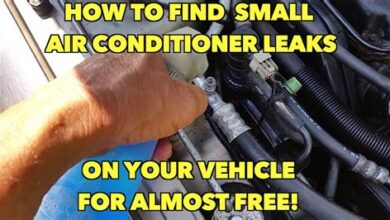
- Leaking Refrigerant: Refrigerant leaks can lead to reduced efficiency and potential damage to the compressor. Signs of leaking include visible oil spots or hissing noises coming from the AC components.
Knowing these how to identify common vehicle air conditioning issues can help you seek repairs before they escalate. Keep an ear and eye out for these symptoms to maintain a comfortable driving experience.

How To Identify Symptoms Of A Failing AC System
Identifying symptoms of a failing air conditioning (AC) system in your vehicle is crucial for timely repairs. Here are the common signs that indicate your AC may require attention:
1. Weak airflow: If the air coming from the vents is weak, it could be due to a clogged cabin air filter or a failing blower motor.
2. Warm air: When your AC is turned on but only warm air is blowing, it’s essential to check for issues such as low refrigerant levels or a malfunctioning compressor.
3. Unusual noises: Familiarize yourself with the sound of your AC system. If you hear grinding, clicking, or hissing noises, this could signal a failing component or a refrigerant leak.
4. Foul odors: Musty or moldy smells coming from your AC vents often indicate a buildup of bacteria or mildew inside the system, usually due to moisture problems.
5. Refrigerant leaks: Spotting a green, yellow, or oily substance around AC connections or on the ground where you park may mean that your system is leaking refrigerant.
6. Frequent cycling: If your AC turns on and off frequently, this could indicate that the system is struggling to maintain temperature due to a malfunction.
7. Moisture buildup: Excessive condensation on the inside of your vehicle or pooling water under the dashboard may suggest a blocked drain line or a refrigerant leak.
By being aware of these symptoms, you can effectively diagnose your vehicle’s air conditioning issues and execute the necessary repairs. Regular maintenance is also essential to keep your system running smoothly.
Steps To Diagnose Air Conditioning Problems Effectively
Diagnosing vehicle air conditioning problems can be a straightforward task if you follow a systematic approach. Here are the essential steps to effectively identify issues with your AC system:
- Check the Basics: Start by ensuring that the vehicle is turned on and the AC settings are correctly adjusted. Make sure the blower is operational and set to the appropriate speed.
- Listen for Unusual Noises: Pay attention to any strange sounds coming from the AC unit. Clicking, buzzing, or hissing noises may indicate mechanical issues or a refrigerant leak.
- Inspect the Cabin Air Filter: A clogged or dirty cabin air filter can restrict airflow. Remove and check the filter; if it’s dirty, replace it to improve AC performance.
- Examine the Refrigerant Level: Use a pressure gauge to check the refrigerant level. If the gauge indicates low pressure, you may have a leak or the system may need a recharge.
- Look for Refrigerant Leaks: Inspect for any oily residue around AC connections, the compressor, and hoses. This could signify a refrigerant leak that needs addressing.
- Test the AC Compressor: With the AC system running, check if the compressor is engaging. A non-functioning compressor could result in inadequate cooling.
- Check Electrical Connections: Ensure that all electrical connections to the AC system are secure and free from corrosion. A faulty wiring connection can disrupt system functionality.
- Use Diagnostic Tools: If your vehicle has onboard diagnostics, utilize an OBD-II scanner to retrieve any fault codes associated with the AC system. This can guide your troubleshooting efforts.
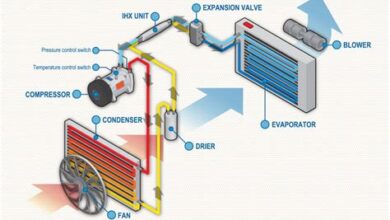
- Evaluate the Expansion Valve: If the system is either under or overcharged, the expansion valve might be malfunctioning. It regulates refrigerant flow, and a faulty valve can disrupt cooling efficiency.
- Seek Professional Assistance: If you’ve gone through these steps without finding a clear solution, it may be time to consult a qualified mechanic. They can perform advanced diagnostic tests to pinpoint the issue accurately.
By following these steps on how to diagnose air conditioning problems effectively, you can identify issues in your vehicle’s AC system and take necessary actions to restore its functionality.

Tools You Need For Air Conditioning Diagnosis
Diagnosing vehicle air conditioning problems requires a variety of tools to ensure accurate results. Having the right equipment at your disposal can make the process smoother and more efficient. Here’s a list of essential tools you need for diagnosing air conditioning issues:
- Manifold Gauge Set: This is essential for measuring the pressure of the refrigerant in the system. The readings will help you determine whether the system is undercharged, overcharged, or functioning normally.
- Thermometer: A thermometer can be used to measure the temperature of the air entering and exiting the AC system, which can help identify issues with cooling performance.
- Refrigerant Leak Detector: This tool is critical for identifying leaks in the system. It uses sensors to detect refrigerant gases and can help pinpoint the source of the leak.
- Vacuum Pump: A vacuum pump is used to evacuate the air and moisture from the AC system before recharging it with refrigerant, thus preventing any damage or issues.
- Charge Scale: This scale helps ensure you add the correct amount of refrigerant to the system, which is crucial for optimal performance.
- Basic Hand Tools: Wrenches, screwdrivers, and pliers are necessary to remove components and access different parts of the AC system for inspection.
- Digital Multimeter: This tool can help diagnose electrical issues that may affect the AC system, such as faulty sensors and switches.
- Service Manual: Having the vehicle’s service manual on hand can provide specific diagnostic information and help you understand the AC system layout.
By equipping yourself with these essential tools, you can effectively diagnose and address any air conditioning problems your vehicle may encounter while enhancing your understanding of how to troubleshoot the system successfully.
Evaluating Results And Taking Next Steps After Diagnosis
Once you have gathered the data and identified the symptoms of your vehicle’s air conditioning system, it is crucial to evaluate the results carefully. Here are some steps to help you proceed effectively:
1. Analyze the Data Gathered: Review the readings and observations you made during the diagnostic process. Look for patterns or discrepancies that may indicate underlying issues. For instance, if the refrigerant levels are low, it may point to a leak, while high pressure might suggest a blockage.
2. Identify Major Problems: Based on your analysis, determine if there are significant issues that need immediate attention. Common problems might include a failing compressor, damaged condenser, or a clogged expansion valve. Prioritize these issues based on severity and impact on overall vehicle performance.
3. Plan Repairs: Once you have identified the problems, outline the necessary repairs. If it’s a minor issue such as a recharge of refrigerant, you may be able to handle it yourself. However, for significant repairs like compressor replacement, it’s advisable to seek professional help.
4. Check Warranty or Insurance: Before proceeding, check if your vehicle’s air conditioning system is still under warranty or if your auto insurance covers the repairs. This could save you a significant amount of money.
5. Schedule Maintenance: After addressing the immediate concerns, consider setting up a regular maintenance schedule for your vehicle’s AC system. This proactive approach can help extend the life of the system and prevent future issues.
Following these steps after diagnosing air conditioning problems can enhance your vehicle’s performance and ensure a comfortable ride. Remember, understanding how to evaluate the results is just as important as the diagnosis itself.

Frequently Asked Questions
What are the common symptoms of vehicle air conditioning problems?
Common symptoms include warm air blowing from the vents, strange noises when the AC is running, bad smells, and frequent cycling of the compressor.
How can I tell if my car’s AC compressor is faulty?
You can check by listening for unusual noises when the AC is on, checking if the compressor engages and disengages properly, and looking for signs of refrigerant leaks around the compressor.
What steps should I take to inspect my AC system?
Start by checking the AC controls and settings, inspecting the cabin air filter, looking for visible leaks, and checking the refrigerant levels using a gauge.
Can low refrigerant levels affect my AC’s performance?
Yes, low refrigerant levels can cause the AC to blow warm air and can lead to further damage if not addressed.
What could cause a bad smell from the car’s air conditioning?
A bad smell can be caused by mold or mildew buildup in the system, a blocked drainage tube, or burnt electrical components.
Should I attempt to fix AC problems myself or hire a professional?
It depends on your comfort level with automotive repairs. While some simple checks can be done at home, it’s often best to consult a professional for more complex issues.
How can I prevent future air conditioning problems in my vehicle?
Regular maintenance, such as checking refrigerant levels, replacing the cabin air filter, and having your AC system serviced, can help prevent future problems.