Explore the crucial functions of compressors in air conditioning and vehicle cooling systems, including maintenance tips and signs of failure. When it comes to keeping your vehicle cool and comfortable, the air conditioning system plays a vital role, and at the heart of this system lies the compressor.
This essential component not only facilitates the cooling process but also ensures that you enjoy a pleasant driving experience, even on the hottest days. In this article, we’ll explore the multifaceted role of the compressor in vehicle air conditioning, from its mechanics to its significance in temperature regulation.
We’ll also delve into how a well-functioning compressor impacts overall performance and efficiency, as well as the signs indicating when it may be faltering. Whether you’re a car enthusiast or a concerned driver, understanding the importance of a compressor can help you maintain your vehicle’s air conditioning system effectively. Let’s dive in and discover everything you need to know about this crucial part of your vehicle’s cooling system.
Understanding The Role Of The Compressor In Air Conditioning
The compressor plays a crucial role in the operation of a vehicle’s air conditioning system. It serves as the heart of the AC mechanism, responsible for circulating the refrigerant throughout the system. By compressing the refrigerant gas, the compressor converts it into a high-pressure, high-temperature gas that is essential for effective cooling.
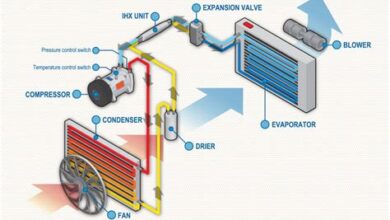
At its core, the compressor is designed to intake low-pressure refrigerant gas from the evaporator and then compress it. This process significantly increases both the pressure and temperature of the refrigerant, preparing it for subsequent stages within the air conditioning cycle. The high-pressure gas is then routed to the condenser, where it will cool down and change to a liquid state. This phase change is crucial; it allows the refrigerant to release heat absorbed from the vehicle’s cabin, ultimately providing the cooling effect needed for passenger comfort.
Additionally, maintaining proper functionality of the compressor is essential for overall system efficiency. A malfunctioning compressor can lead to inadequate cooling, increased energy consumption, and additional wear on other components of the air conditioning system. Therefore, understanding the role of the compressor not only highlights its importance but also emphasizes the necessity of regular maintenance to ensure optimal performance.
The role of the compressor is fundamental in transforming refrigerant to enable effective thermal exchange, which is vital for maintaining a comfortable cabin temperature in any vehicle.
How Compressors Work Within Vehicle Cooling Systems
The compressor plays a crucial role in the vehicle’s air conditioning system, serving as the engine’s powerhouse for cooling. It is responsible for compressing and circulating refrigerant throughout the entire cooling system. Here’s how it operates within the vehicle cooling systems:
1. Compression of Refrigerant: The compressor takes in low-pressure refrigerant gas from the evaporator and compresses it into a high-pressure gas. This process heats the refrigerant, which is essential for the cooling cycle.
2. Circulation of Refrigerant: After compressing the refrigerant, the compressor sends it through the condenser where it dissipates heat and transforms into a liquid state. This circulation is vital for maintaining the role of other components in the air conditioning system.
3. Pressure and Temperature Management: By managing the temperature and pressure of the refrigerant, the compressor ensures that the correct amount of refrigerant flows through the system. This precise control is key to effective cooling and overall system efficiency.
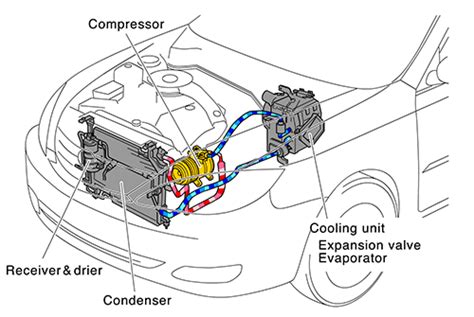
4. Component Coordination: The compressor works closely with other components such as the condenser, expansion valve, and evaporator, maintaining a continuous cycle of refrigerant flow. Each of these components relies on the compressor to function properly, emphasizing the role it plays in the entire air conditioning system.
5. Variable Displacement Technology: Modern compressors often utilize variable displacement technology. This adjustment allows them to modify the amount of refrigerant compressed based on the cooling needs, further underlining the role of the compressor in climate control optimization.
Understanding how compressors work within vehicle cooling systems is crucial to appreciate their importance in maintaining a comfortable environment inside your vehicle. Proper functioning of the compressor directly influences the system’s efficiency and performance.

The Role Of The Compressor In Temperature Regulation
The compressor plays a crucial role in maintaining a comfortable temperature within the vehicle’s cabin. It is often referred to as the heart of the air conditioning system, and its primary function is to regulate the flow of refrigerant. By compressing the refrigerant, the compressor increases its pressure and temperature, facilitating efficient heat exchange in the system.
When you adjust the temperature settings in your vehicle, the compressor responds accordingly. It helps to draw heat from the cabin and release it outside, ensuring that cooler air circulates within the vehicle. The ability of the compressor to effectively manage this cycle is instrumental in achieving the desired cabin temperature.
Moreover, proper the role of the compressor is vital for the overall climate control efficiency. If the compressor is performing optimally, it ensures that the refrigerant circulates at the right pressure, thereby maintaining consistent cooling performance. This helps prevent temperature fluctuations that can lead to discomfort for passengers.
Additionally, a malfunctioning compressor can disrupt this regulation process. This can cause uneven temperature distribution, resulting in either excessively cold or warm air in the cabin. Therefore, it’s essential to monitor the health of the compressor as part of regular vehicle maintenance. Keeping an eye on its performance ensures that the air conditioning system functions optimally, providing a comfortable driving experience regardless of external conditions.
Maintaining Efficiency: The Compressor’s Impact On Performance
The compressor plays a crucial role in the efficiency of a vehicle’s air conditioning system. It is responsible for circulating the refrigerant throughout the system, which is essential for absorbing and releasing heat effectively. By maintaining optimal performance, the compressor directly affects the overall cooling capabilities of the vehicle, thereby enhancing occupant comfort.
One of the primary ways that the compressor contributes to efficiency is through its ability to regulate the pressure of the refrigerant. When the compressor operates smoothly, it ensures that the refrigerant is compressed to the correct pressure, allowing it to absorb heat effectively from the vehicle’s interior. This precise control over pressure also enables the system to respond quickly to changes in temperature demands, ensuring that the cabin remains comfortable regardless of outside conditions.

Additionally, a well-functioning compressor reduces the load on other components of the air conditioning system, such as the condenser and evaporator. By maintaining a steady flow of refrigerant, the compressor helps to prevent excessive wear and tear on these components, ultimately extending their lifespan and enhancing the overall efficiency of the system.
It’s worth noting that an underperforming compressor can lead to increased fuel consumption, as the system will have to work harder to achieve the desired cooling effect. This not only impacts the vehicle’s fuel efficiency but can also lead to higher emissions. Thus, keeping the compressor in good working condition is vital not only for comfort but also for environmental sustainability.
In summary, the compressor’s impact on performance underscores its role in ensuring that a vehicle’s air conditioning system operates efficiently. Regular maintenance and prompt attention to any signs of failure can help in preserving the system’s overall effectiveness, thereby optimizing the car’s performance and enhancing the driving experience.
Recognizing Signs Of A Failing Compressor In Vehicle AC
Identifying the symptoms of a failing compressor is crucial for maintaining the efficiency and functionality of your vehicle’s air conditioning system. Here are some common signs to watch for:
- Insufficient Cooling: If you notice that your vehicle’s AC is not producing cold air as it typically does, it could indicate an issue with the compressor.
- Unusual Noises: Listen for any grinding, squealing, or hissing sounds when the AC is running. These noises can be a clear sign of compressor failure.
- Leaking Refrigerant: If you see any fluid pooling under your vehicle, it may be refrigerant leaking due to a faulty compressor seal.
- Increased Engine Temperature: A malfunctioning compressor can cause the engine to work harder, leading to higher temperatures.
- Compressor Clutch Issues: If the compressor clutch fails to engage or disengage properly, it may indicate a problem with the compressor itself.
Addressing these issues promptly can save you from costly repairs down the line. If you suspect any of these symptoms, it may be time to consult a professional mechanic to diagnose and fix the issue, ensuring that the role of your compressor in the vehicle’s air conditioning system continues to function properly.

Frequently Asked Questions
What is the primary function of a compressor in vehicle air conditioning systems?
The primary function of a compressor in vehicle air conditioning systems is to circulate and compress refrigerant gas, enabling the cooling process by increasing the pressure and temperature of the refrigerant.
How does the compressor affect the overall efficiency of an air conditioning system?
The compressor directly influences the efficiency of an air conditioning system as it determines the rate at which refrigerant is cycled through the system. A well-functioning compressor optimizes cooling performance and energy consumption.
What are the common types of compressors used in vehicle air conditioning?
The common types of compressors used in vehicle air conditioning include reciprocating, rotary vane, and scroll compressors. Each type has its advantages and is chosen based on specific vehicle requirements.
What are the signs that a compressor may be failing?
Signs of a failing compressor can include unusual noises, reduced cooling performance, leaking refrigerant, and the compressor clutch not engaging. Any of these symptoms suggest that it’s time for inspection or replacement.
How does the compressor interact with other components of the air conditioning system?
The compressor works closely with components such as the condenser, evaporator, and expansion valve. It compresses the refrigerant and sends it to the condenser, where it releases heat before circulating back through the evaporator for cooling.
What maintenance is required to ensure the longevity of a compressor?
To ensure the longevity of a compressor, regular checks should be conducted on the refrigerant levels, the system should be cleaned of debris, and the rubber seals and hoses should be inspected for cracks or wear.
Can a malfunctioning compressor be repaired, or does it usually need to be replaced?
Whether a malfunctioning compressor can be repaired or needs replacement depends on the nature of the fault. Minor issues such as a leaking seal may be repairable, while major failures often necessitate a complete replacement.