
Discover essential tools, a step-by-step guide, cleaning tips, and common fixes for DIY vehicle air conditioning maintenance. Keep your AC running smoothly! As the temperature rises, ensuring your vehicle’s air conditioning system runs efficiently becomes essential for a comfortable driving experience.
Understanding how to maintain your car’s AC not only keeps you cool but also enhances your vehicle’s performance and longevity. In our comprehensive guide, DIY Tips For Vehicle Air Conditioning Maintenance, we’ll provide you with practical insights and step-by-step instructions tailored for car enthusiasts and everyday drivers alike.
From the essential tools you’ll need to a detailed guide on assessing your AC system, we’ll cover everything you need to know to tackle maintenance tasks at home. Additionally, you’ll learn about common AC problems, how to clean or replace filters, and the long-term benefits of regular upkeep. Get ready to beat the heat while maximizing your vehicle’s efficiency!
Essential Tools Needed For DIY Vehicle Air Conditioning Maintenance
To successfully perform DIY tips for vehicle air conditioning maintenance, having the right tools is crucial. Below is a list of essential tools you will need to ensure your AC system runs efficiently and effectively:
- AC Manifold Gauge Set: This set is vital for checking the pressure levels of the refrigerant in your vehicle’s AC system.
- Refrigerant Recharger Kit: Essential for adding refrigerant to your AC system, this kit often comes with everything you need for the job.
- Vacuum Pump: A vacuum pump removes moisture and air from the AC system, which is critical for optimal performance.
- Ratcheting Wrench Set: A good set of ratcheting wrenches will help you remove and replace various components of the AC system easily.
- Screwdrivers: Both flat and Phillips head screwdrivers are necessary for assembling and disassembling parts in your vehicle’s AC system.
- Safety Goggles and Gloves: Always prioritize safety by wearing protective gear when handling refrigerants and tools.
- Thermometer: A digital thermometer is useful for checking the temperature of the air coming from the AC vents.
- Multimeter: This tool helps in diagnosing electrical issues within the AC system, such as checking the functionality of the compressor.
- AC Cleaner Spray: A specialized cleaner will help you maintain the cleanliness of the condenser and other components.
- Shop Towels: Keep a stock of towels on hand for quick clean-ups and maintenance tasks.
Having these tools at your disposal will make your DIY tips for vehicle air conditioning maintenance much more manageable and efficient. Remember to familiarize yourself with each tool’s use to maximize your productivity and safety during maintenance tasks.

Step-By-Step Guide To Assessing Your Vehicle’s AC System
Assessing your vehicle’s air conditioning system is crucial for ensuring optimal performance and comfort during hot weather. Follow these DIY tips to evaluate your AC system effectively:
- Check the AC Controls: Start by inspecting the AC controls on your dashboard. Turn on the system and listen for any unusual noises. Observe if the temperature lowers when adjusting to the cooler settings.
- Inspect the Airflow: Sit in the vehicle and measure the airflow coming from the AC vents. If it feels weak or irregular, this could indicate a problem. Ensure all vents are open and not obstructed.
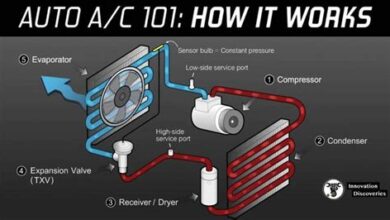
- Examine the AC Components: Look under the hood for critical components such as the compressor, condenser, and evaporator. Check for any visible signs of wear, leaks, or damage.
- Check the Refrigerant Level: Low refrigerant can hinder AC performance. Use a refrigerant gauge to measure the level. If it’s low, it may need recharging.
- Look for Unusual Odors: A musty smell can indicate mold or mildew in the AC system. If you detect this, it may require cleaning or filter replacement.
- Observe Performance in Different Conditions: Test the AC system during various speeds and outside temperatures. Note any irregularities in cooling performance.
- Listen for Unusual Noises: Pay attention to any grinding, hissing, or rattling noises when the AC is running. These could signify a mechanical issue that needs addressing.
- Check for Frost: Inspect the evaporator for frost or ice buildup. If present, this could indicate problems with airflow or refrigerant levels.
- Utilize Diagnostic Tools: If your initial checks do not yield conclusive results, consider using diagnostic tools for a thorough analysis of the AC system.
- Consult a Professional: If you’re unable to identify or resolve issues, it may be best to consult a professional technician for further diagnosis and repair.
By following these steps, you can effectively assess your vehicle’s AC system and keep it in optimal working condition. Regular maintenance based on these DIY tips will help ensure your comfort and the longevity of your vehicle’s air conditioning system.

DIY Tips For Cleaning And Replacing AC Filters Effectively
Maintaining your vehicle’s air conditioning system is crucial for ensuring optimal performance, particularly when it comes to the AC filters. Here are some DIY tips to clean and replace these filters effectively:
- Identify Your AC Filter Location: First, check your vehicle’s manual to determine the exact location of the AC filter. Most filters can be found behind the glove compartment or under the dashboard.
- Gather Tools: Before starting, ensure you have the necessary tools at hand, like a screwdriver, safety gloves, and a vacuum cleaner with a brush attachment.
- Remove the Filter: Carefully access the filter housing and remove the old filter. Be gentle to avoid damaging any surrounding components.
- Clean the Filter: If you’re reusing the filter and it’s not damaged, use a vacuum or compressed air to eliminate any dust and debris. For a deeper clean, rinse it with water but allow it to dry completely before reinstalling.
- Replace the Filter: If the filter is too dirty or damaged, it’s time to replace it. Choose a replacement filter based on your vehicle’s specifications. Insert it securely into the housing, ensuring it fits tightly.
- Test the System: After cleaning or replacing the filter, start your vehicle and turn on the AC to check if the airflow has improved. Listen for any unusual noises to ensure everything is working correctly.
- Schedule Regular Maintenance: Make it a habit to clean or replace the AC filter every 12,000 to 15,000 miles, or at least once a year, as part of your routine DIY tips for vehicle maintenance.
Regularly cleaning or replacing your vehicle’s AC filters can enhance air quality and the overall efficiency of the AC system. Implementing these DIY tips will not only lead to a more comfortable ride but can also save on costly repairs down the road.
Common AC Problems And How To Fix Them At Home
Maintaining your vehicle’s air conditioning system is essential for ensuring comfort, especially during hot weather. Understanding common AC problems can empower you to tackle them with DIY tips. Here are some frequent issues and how to address them:
- Weak Airflow: If you experience reduced airflow, the first step is to check the AC filters. Dirty filters can significantly hinder performance. Clean or replace them as needed. Additionally, inspecting the blower motor for obstructions or faults is crucial.
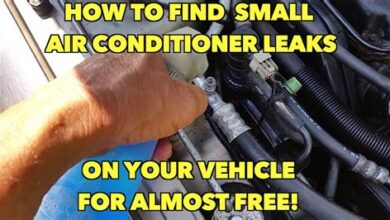
- Inconsistent Cooling: If your AC is blowing cold air intermittently, it may indicate a refrigerant leak. Look for oily spots around AC components. If detected, it’s advisable to recharge the system or consult a professional to fix the leak.
- Unpleasant Odors: Musty smells typically arise from mold or mildew in the system. To remedy this, clean the evaporator and consider using an AC cleaner spray designed to eliminate odors.
- Strange Noises: Noises like hissing or grinding can signal issues within the AC components. Check for loose parts or damaged belts. If you can’t identify the issue, connecting with a specialist is recommended.
- AC Not Turning On: If your AC system fails to activate, start by checking the fuses and relays. Ensure they are intact and replace any blown fuses. Additionally, inspect the AC switch and wiring for any faults.
- Leaking Refrigerant: Signs include oily residue near AC components or low cold air output. If you suspect a refrigerant leak, it’s best to get it repaired professionally, as handling refrigerants requires certification.
By following these DIY tips, you can resolve common automotive AC problems and maintain your comfort on the road. Remember to always consult your vehicle’s service manual for specific guidance and safety precautions. Regular maintenance and timely repairs will contribute to the longevity of your vehicle’s air conditioning system.

Benefits Of Regular AC Maintenance For Your Vehicle’s Performance
Maintaining your vehicle’s air conditioning system is not just about staying cool during the hot months; it also plays a crucial role in overall vehicle performance. Here are some key benefits of regular AC maintenance:
- Improved Efficiency: Regular checks and maintenance ensure that your AC system operates at peak efficiency, reducing energy consumption and saving fuel costs.
- Enhanced Comfort: A well-maintained AC system cools the cabin more effectively, providing a comfortable driving environment for you and your passengers.
- Extended Lifespan: Routine maintenance can help identify and fix minor issues before they escalate, ultimately prolonging the life of your AC system and other related components.
- Better Air Quality: Regular maintenance includes cleaning or replacing filters, which helps eliminate dust, allergens, and pollutants from the air circulating within your vehicle.
- Increased Resale Value: A properly functioning AC system is attractive to potential buyers. Regular maintenance reflects well on the overall condition of the vehicle, potentially boosting its resale value.
Incorporating these DIY tips into your vehicle maintenance routine can lead to a more reliable and enjoyable driving experience, making it essential to prioritize regular AC checks.

Frequently Asked Questions
What are the basic steps to maintain vehicle air conditioning?
Basic steps include checking the refrigerant level, inspecting the AC belt for wear, cleaning the condenser, and replacing the cabin air filter.
How often should I check my vehicle’s air conditioning system?
It’s advisable to check your air conditioning system at least once a year, ideally before the summer months when it’s used the most.
What are some signs that my vehicle’s air conditioning needs maintenance?
Signs include weak airflow, unusual noises, strange smells, and the AC not producing cool air.
Can I recharge my vehicle’s AC system myself?
Yes, you can recharge your vehicle’s AC system yourself using a refrigerant recharge kit, but ensure you follow the instructions carefully and wear protective gear.
What tools do I need for basic AC maintenance?
Basic tools include a refrigerant gauge set, a vacuum pump, an AC flushing kit, and basic hand tools like screwdrivers and wrenches.
Is it necessary to have a professional inspect my AC system?
While basic maintenance can be done at home, it’s recommended to have a professional inspection once every few years to catch potential issues.
What is the role of the cabin air filter in vehicle AC maintenance?
The cabin air filter helps to filter out dust, pollen, and other pollutants from the air entering the vehicle, ensuring clean air and improving the efficiency of the AC system.