Explore the essentials of vehicle air conditioning systems, common issues, repair costs, and tips for saving on expenses—DIY vs professional insights included. When the sweltering heat of summer arrives, a functional vehicle air conditioning system becomes essential for comfort and safety.
However, maintaining that cool breeze can come with unexpected repair costs. In A Complete Guide To Vehicle Air Conditioning Repair Costs, we delve into the complexities of your car’s A/C system, from its various components to the common problems that may arise over time. Understanding the factors influencing repair costs can empower you to make informed decisions, whether you’re considering a DIY fix or seeking professional help.
With insights on minimizing expenses and a comprehensive FAQ section, this guide equips you to navigate the often-confusing landscape of air conditioning repairs. Stay cool this season while keeping your budget intact!
Understanding Vehicle Air Conditioning System Components
To effectively address your vehicle’s A/C repair needs, it’s essential to understand the key components integral to the air conditioning system. Each part plays a vital role in the overall functionality and efficiency of the system, and issues with any of these elements can lead to costly repairs.
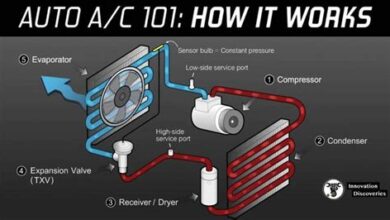
Here are the primary components of a vehicle air conditioning system:
- Compressor: Often referred to as the heart of the A/C system, the compressor circulates refrigerant through the system, compressing it to initiate the cooling process.
- Condenser: Located at the front of the vehicle, the condenser cools the refrigerant that has been compressed by the compressor, allowing it to change from gas to liquid.
- Evaporator: Inside the cabin, the evaporator absorbs heat from the interior air, causing the refrigerant to evaporate and cool the air that flows into the vehicle.
- Expansion Valve: This component regulates the flow of refrigerant into the evaporator, ensuring it operates at the correct temperature and pressure.
- Refrigerant: The fluid that transports heat through the A/C system, changing from gas to liquid and back, enabling the cooling process.
- Receiver/Drier: This component removes moisture from the refrigerant and filters out impurities, preventing corrosion and freezing issues within the system.
Understanding these components not only helps in diagnosing issues but also aids in comprehending the potential repair costs associated with each part. A solid grasp of your vehicle’s A/C system will empower you to make informed decisions when seeking repairs or maintenance. Remember, staying proactive with A/C maintenance can significantly lower the likelihood of facing more extensive and expensive repairs down the line, ensuring a comfortable ride in your vehicle.
Factors Influencing Air Conditioning Repair Costs
When it comes to vehicle air conditioning repairs, several factors can influence the overall costs involved. Understanding these factors can help you make informed decisions and potentially save money. Here are the key elements that can affect your air conditioning repair expenses:

1. Type of Repair Needed: The specific repair required plays a significant role in determining costs. Minor issues like a refrigerant recharge will be less expensive than replacing major components such as the compressor or evaporator.
2. Vehicle Make and Model: The make and model of your vehicle can influence repair costs. Luxury vehicles or models with complex systems often come with higher labor and parts costs.
3. Location: Where you live impacts repair prices. Urban areas generally have higher labor rates compared to rural regions. Additionally, the availability of parts can vary by location.
4. Labor Costs: The hourly rate charged by the mechanic or repair shop can significantly influence the total repair bill. It’s advisable to shop around to find competitive rates.
5. Parts Quality: The type of replacement parts used—OEM (Original Equipment Manufacturer) versus aftermarket—can affect the total cost. OEM parts typically come with a higher price tag but may offer better reliability.
6. Service Center Experience: Well-established and experienced auto repair shops may charge higher fees but often provide superior service and expertise.
7. Condition of the A/C System: If the air conditioning system has significant wear or damage, it may require more extensive repairs, which will increase costs.
8. Warranty Status: If your vehicle is still under warranty, certain repairs may be covered, significantly reducing your out-of-pocket costs.
By considering these factors, you can gain a clearer picture of the potential expenses involved in your vehicle’s air conditioning repairs. Evaluating the need for professional versus DIY repairs will also play a crucial role in managing these costs effectively.
A Complete Breakdown Of Common A/C Problems
When it comes to vehicle air conditioning systems, various issues can arise, leading to costly repairs if not addressed promptly. Below is a detailed overview of A Complete list of common A/C problems drivers encounter, along with their symptoms and potential repair costs.

- Insufficient Cooling: If your A/C is blowing warm air, it could be due to low refrigerant levels, a failing compressor, or a clogged condenser. Repair costs can vary from $100 for a refrigerant recharge to around $1,500 for a compressor replacement.
- Strange Noises: Unusual sounds, such as hissing or grinding, can indicate issues with the compressor or worn-out bearings. Depending on the severity, repairs can range from $200 to over $1,000.
- Unpleasant Odors: A musty smell often points to mold or bacteria buildup in the A/C system. Cleaning the system can cost around $100 to $150, while more extensive repairs may exceed $300 if components need replacing.
- Leaking Refrigerant: Leaks in the A/C system can lead to insufficient cooling and are often caused by worn seals or hoses. Repair costs for fixing leaks can start at $150 and can go up to $1,000 for more complex issues.
- Electrical Issues: Problems with the A/C’s electrical components can prevent the system from operating efficiently. Diagnosis and repairs can cost anywhere from $100 to $600, depending on the complexity.
- Compressor Failure: The A/C compressor is a critical component; if it fails, it typically requires replacement, costing between $800 and $1,500.
Identifying these common A/C issues early can save you from facing more serious (and expensive) repairs down the line. Regular maintenance, including refrigerant checks and cleaning, can help extend the lifespan of your vehicle’s air conditioning system.
DIY vs Professional Repair: Cost Implications
When it comes to air conditioning repair, one of the crucial decisions vehicle owners face is whether to tackle the repairs themselves or hire a professional. Both options come with distinct advantages and potential drawbacks that can significantly affect the cost implications.
DIY Repairs
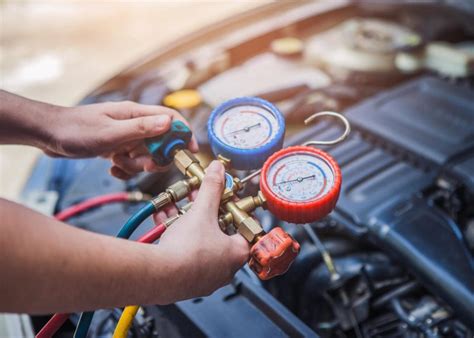
Taking the DIY route can initially seem like a budget-friendly choice. Many individuals are driven to attempt their own repairs in order to save on labor costs, which can often comprise a significant portion of the total repair bill. DIY repairs may include tasks such as recharging refrigerant, replacing cabin air filters, or even fixing minor leaks if the owner has some mechanical skills. However, there are several factors to consider:
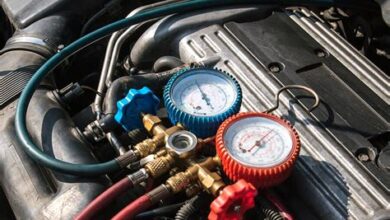
1. Initial Costs: Purchasing tools or replacement parts can add up quickly. For example, a basic refrigerant recharge kit may cost between $30 to $50, but specialized tools can escalate costs.
2. Time and Effort: DIY repairs often require a significant time commitment and can be physically demanding. It’s essential to factor in the value of your time, especially if the repair takes longer than expected.
3. Potential Mistakes: Inexperienced repairs can lead to further complications, resulting in more significant issues that might require professional intervention. This could ultimately lead to higher overall costs.
Professional Repairs
On the flip side, hiring a professional technician can save time and provide peace of mind through expertise. While professional services may seem more expensive upfront, they often include:
1. Guaranteed Quality: Certified mechanics typically have extensive training and access to specialized tools, ensuring that repairs are done correctly the first time.
2. Warranty on Services: Many shops offer warranties on their work, which can protect against future repairs related to the original issue.
3. Comprehensive Diagnosis: Professionals may identify underlying issues that a DIYer might overlook, potentially saving money in the long run by addressing all problems at once.
In conclusion, the decision between DIY and professional repairs hinges on your comfort level with mechanical tasks, the complexity of the problem, and the potential costs involved. Both options come with their unique challenges and benefits that can affect the overall expenses associated with your vehicle’s air conditioning system. As you weigh your options, consider how these factors align with your budget and the importance of reliable vehicle performance.

How To Minimize Your Air Conditioning Repair Expenses
When it comes to keeping your vehicle’s air conditioning in optimal condition, proactive measures can significantly reduce the likelihood of costly repairs. Here are some effective strategies to consider:
- Regular Maintenance: Schedule routine check-ups for your A/C system, ideally before hot weather hits. This helps identify minor issues before they escalate into major repairs.
- Keep The System Clean: Dust and debris can clog air filters and ducts. Regularly clean or replace filters as necessary to maintain airflow efficiency.
- Stay Cool With Proper Usage: Use the A/C judiciously. Running it at the right settings can prevent unnecessary strain on the system.
- Park Wisely: Whenever possible, park your vehicle in shaded areas or use sunshades to keep the interior cool and minimize the need for A/C usage.
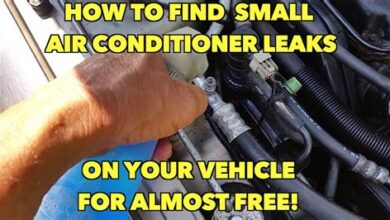
- Leak Checks: Regularly inspect your A/C system for leaks. Addressing any seals or hoses that show signs of wear can prevent refrigerant loss and bigger repair bills.
- Educate Yourself: Understand how your vehicle’s A/C system works. This knowledge will help you spot early signs of malfunction and avoid potential expenses.
- Monitor Performance: Take note of any changes in your A/C’s performance. Strange noises or weak airflow could indicate issues that require immediate attention.
By implementing these tips, you can effectively minimize your air conditioning repair expenses and maintain a comfortable driving environment. Remember, an ounce of prevention is worth a pound of cure, making regular maintenance and care essential for your vehicle’s A/C system.
Frequently Asked Questions
What factors influence the cost of vehicle air conditioning repairs?
The cost of vehicle air conditioning repairs can be influenced by factors such as the type of vehicle, the complexity of the issue, the parts needed for replacement, and the labor rates of the repair shop.
How much can I expect to pay for a basic air conditioning recharge?
On average, a basic air conditioning recharge can cost between $100 and $200, depending on the vehicle and the repair shop.
What are common signs that my vehicle’s air conditioning needs repair?
Common signs include insufficient cooling, strange noises when the AC is running, the presence of unusual odors, or a noticeable decrease in airflow.
Are there any DIY fixes for minor air conditioning issues?
Yes, minor issues such as replacing a cabin air filter or refilling refrigerant can often be handled by DIY enthusiasts if they have the right tools and knowledge.
How can I prevent high costs associated with air conditioning repairs in the future?
Regular maintenance, including inspections and servicing of the AC system, can help prevent major issues and costs down the line. Additionally, keeping the cabin air filter clean is essential.
What is the average cost range for replacing an AC compressor?
The average cost range for replacing an AC compressor typically falls between $500 and $1,200, depending on the vehicle and the shop.
Is it worth using a dealership for air conditioning repairs?
While dealerships might charge higher rates, they often have specialized knowledge of the vehicle’s make and model, which can be beneficial for complex repairs.