Discover key insights on vehicle air conditioning pressure tests, their importance, and how to perform them for optimal cooling system performance and maintenance benefits. Maintaining a comfortable driving experience hinges on the functionality of your vehicle’s air conditioning system.
At the core of ensuring optimal performance is the air conditioning pressure test, a critical diagnostic tool that helps determine the health of your vehicle’s cooling system. In this article, we will delve into the importance of these pressure tests in vehicle maintenance, explore how to accurately perform them, and identify common issues they can uncover.
By understanding key indicators of air conditioning performance, you can take proactive steps to address potential problems. Furthermore, we’ll highlight the numerous benefits of regular pressure testing for your vehicle, ensuring you stay cool and comfortable on the road. Join us as we unlock the vital role of air conditioning pressure tests in keeping your vehicle’s cooling system running smoothly.
The Importance of Air Conditioning Pressure Tests in Vehicle Maintenance
Understanding vehicle air conditioning systems is crucial for ensuring optimal performance and comfort during every drive. One of the most effective ways to achieve this is through regular air conditioning pressure tests. These tests serve as an essential part of vehicle maintenance, allowing for early detection of potential issues that can impact the system’s efficiency.
Pressure tests help mechanics assess the refrigerant levels within the system. Low refrigerant levels can signify leaks or other failures, which, if left unaddressed, could lead to costly repairs or even complete system failure. By understanding vehicle air conditioning pressure, technicians can pinpoint these problems before they escalate, saving both time and money.
Additionally, these tests help to identify whether the system is functioning within its optimal pressure range. If the readings are outside the recommended specifications, it can indicate a malfunctioning component, such as a compressor or expansion valve, requiring immediate attention. This proactive approach is vital for vehicle longevity, enhancing not just air conditioning performance but also overall driving experience.
Routine air conditioning pressure tests play a significant role in maintaining efficient vehicle operation. They ensure that the cooling system is running smoothly, thus promoting a comfortable environment inside the vehicle while helping to avoid larger problems down the line.
How to Perform Pressure Tests for Understanding Vehicle Cooling Systems
To ensure optimal performance of your vehicle’s air conditioning system, conducting pressure tests is essential. Here’s a step-by-step guide on how to perform these tests effectively:

1. Gather Necessary Tools: Before you begin, make sure you have the following tools ready:
- AC manifold gauge set
- Vacuum pump
- Refrigerant
- Safety goggles and gloves
2. Locate the Service Ports: Identify the low and high-pressure service ports of the air conditioning system. These are typically located near the compressor and are essential connection points for the manifold gauge set.
3. Connect the Manifold Gauges: Attach the blue hose of the manifold gauge to the low-pressure port and the red hose to the high-pressure port. Ensure that the connections are secure to prevent any refrigerant leaks.
4. Run the Engine and AC: Start the vehicle’s engine and turn on the air conditioning to its maximum setting. This action will allow the system to operate under normal conditions, which is crucial for accurate pressure readings.
5. Read the Pressure Gauges: Observe the readings on both the low and high-pressure gauges. Comparing these values against the manufacturer’s specifications will help you assess if the system is functioning within the normal pressure range.
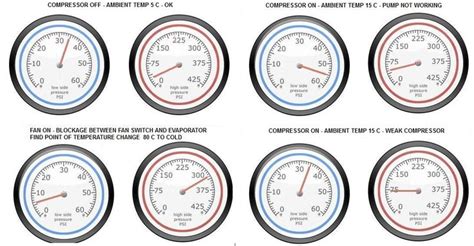
6. Analyze the Results: If the readings are outside the recommended range, this may indicate a refrigerant leak, compressor issues, or blockages within the system. Understanding vehicle performance will help you diagnose the specific problem.
7. Perform a Vacuum Test: If the pressure readings are low, a vacuum test can help locate leaks. Use a vacuum pump to evacuate the system, and monitor the gauges for any drops in pressure. A consistent reading indicates that there are no leaks.
8. Re-Fill with Refrigerant (if needed): If the system is low on refrigerant, carefully refill it according to the manufacturer’s guidelines. Be cautious not to overfill, as this can also affect performance.
9. Final Observations: After conducting the pressure tests, inspect other components of the air conditioning system, including the compressor, condenser, and evaporator, to ensure there are no additional issues affecting performance.
10. Document Your Findings: Keeping a record of the pressure readings and any actions taken will be valuable for future maintenance and can help in diagnosing recurring issues.
By following these steps, you can effectively perform pressure tests for understanding vehicle cooling systems, ensuring that your air conditioning remains efficient and reliable. Regular testing not only helps maintain comfort but also prolongs the lifespan of your vehicle’s air conditioning system.

Identifying Common Issues Through Vehicle Air Conditioning Pressure Testing
Understanding vehicle air conditioning systems is crucial for maintaining optimal performance and comfort within your vehicle. One of the most effective methods for diagnosing issues within the system is through pressure testing. This process can reveal a variety of common problems that might otherwise go unnoticed until they result in significant issues.
During a pressure test, technicians measure both the low and high pressure sides of the air conditioning system. Discrepancies in these readings can indicate specific problems:
- Low Refrigerant Levels: A low pressure reading on the low side can suggest a refrigerant leak or insufficient refrigerant in the system.
- Blocked Expansion Valve: If the high side pressure is excessively high, it may point to a blockage in the expansion valve, restricting refrigerant flow.
- Compressor Issues: Inconsistent pressure readings between the low and high sides may indicate a failing compressor, impacting the system’s efficiency.
- Hoses and Fittings: Visual inspection below the hood can sometimes reveal damaged hoses or fittings that may not seal properly, leading to pressure loss.
- Temperature Anomalies: If the cooling output is inconsistent or inadequate, it can signal problems like poor airflow, which pressure tests can help identify.
By regularly performing air conditioning pressure tests and understanding vehicle system specifics, owners can identify these issues early, leading to timely repairs and better performance of their vehicle’s air conditioning system. This proactive approach ultimately enhances longevity and the overall driving experience.
Understanding Vehicle Air Conditioning Pressure: Key Indicators of Performance
When it comes to understanding vehicle air conditioning systems, pressure readings play a crucial role in assessing performance. By monitoring various pressure points, technicians can identify the operational efficiency of the AC system and determine any underlying issues.
The primary indicators to watch for include:
- High Side Pressure: Typically measured on the compressor discharge side, normal high-side pressures range from 200 to 300 psi, depending on ambient conditions. Elevated readings may indicate a refrigerant overcharge, a blockage, or a failing condenser.
- Low Side Pressure: Measured on the evaporator input side, normal low-side pressures generally fall between 30 to 40 psi. Low readings could signify low refrigerant levels or issues with the evaporator.
- Temperature Differentials: Checking the temperature split between the air entering and exiting the AC vents can provide insights into the system’s cooling efficiency. A significant drop (at least 20 degrees Fahrenheit) indicates proper system operation.
- Visual Inspection of Pressure Gauges: It is essential to frequently inspect pressure gauges for fluctuations that deviate from normal ranges, which could suggest mechanical issues.
Maintaining an understanding of these pressure indicators not only helps in diagnosing current problems but also aids in preventive maintenance strategies – ensuring that your vehicle’s air conditioning system remains efficient and effective.
Benefits of Regular Pressure Testing for Your Vehicle’s Air Conditioning System
Regular pressure testing is essential for maintaining a healthy air conditioning system in your vehicle. By conducting these tests, you can enjoy several benefits that contribute to the overall performance and longevity of your AC system.
- Enhanced Performance: Understanding vehicle air conditioning systems through regular pressure tests ensures they operate efficiently. These tests allow for the early identification of any issues that may hinder performance, such as refrigerant leaks or blockages.
- Cost Savings: By identifying and addressing problems early, you can avoid costly repairs down the line. Regular pressure testing can prevent significant damage, which can be expensive to fix. In turn, this can lead to lower maintenance costs over time.
- Improved Comfort: A well-functioning air conditioning system enhances the comfort of your driving experience, providing consistent cooling. By regularly testing the pressure, you can ensure that the system delivers the desired temperature, maintaining a comfortable environment inside your vehicle.
- Increased Lifespan: Regular maintenance, including pressure testing, can extend the life of your vehicle’s AC system. By keeping the system in good working condition and addressing minor issues promptly, you can avoid premature breakdowns.
- Environmental Benefits: Understanding vehicle air conditioning systems and maintaining them through pressure testing can also have a positive impact on the environment. Efficient AC systems use less energy and reduce the overall carbon footprint.
Regular pressure testing is a proactive approach that offers numerous benefits, including enhanced performance, cost savings, improved comfort, increased lifespan, and environmental considerations. Emphasizing the significance of these tests is a vital part of understanding vehicle maintenance and ensuring your air conditioning system remains in optimal condition.

Frequently Asked Questions
What is a vehicle air conditioning pressure test?
A vehicle air conditioning pressure test is a diagnostic procedure used to evaluate the efficiency and functionality of an AC system by measuring the pressure of refrigerant within the system.
Why are pressure tests important for vehicle air conditioning systems?
Pressure tests are important because they help identify leaks, blockages, or other issues within the AC system that can affect its performance and efficiency.
What tools are needed to perform an air conditioning pressure test?
To perform an air conditioning pressure test, you typically need a set of manifold gauges, a vacuum pump, refrigerant, and possibly a leak detection dye.
How do you interpret the results of an AC pressure test?
The results can be interpreted by comparing the pressure readings to the manufacturer’s specifications; any significant deviations may indicate a problem, such as a leak or low refrigerant levels.
What are common signs that an air conditioning system may need a pressure test?
Common signs include insufficient cooling, strange noises when the AC is running, visible leaks, and the presence of moisture around AC components.
Can performing a pressure test help improve AC performance?
Yes, performing a pressure test can help identify issues that, when resolved, can improve the air conditioning system’s overall performance and longevity.
How often should an air conditioning pressure test be performed?
It is recommended to have an air conditioning pressure test performed during routine maintenance checks, typically every 1-2 years, or whenever there are noticeable issues with the AC system.