Learn to identify failing AC compressor symptoms, Vehicle Air Conditioning diagnose issues, understand performance impacts, and know when to seek professional help. Stay cool and informed! When it comes to maintaining your vehicle’s comfort, a functioning air conditioning system is essential, especially during the sweltering summer months
. However, one key component—the air conditioning compressor—can wear out over time, leading to inefficiencies and unwanted discomfort. In this article, we will explore the signs that indicate your vehicle’s air conditioning compressor may need replacement.
From common symptoms to diagnostic tips, we will equip you with the knowledge to recognize potential issues and understand the impact of a failing compressor on your AC performance. Additionally, we’ll guide you through the necessary steps to take when warning signs arise and when it’s time to consult a professional. Keep your cool behind the wheel by being proactive about your vehicle’s AC system!
Common Symptoms Indicating A Failing Air Conditioning Compressor
Recognizing the signs your air conditioning compressor is failing is crucial for maintaining a comfortable driving experience, especially during the hot months. Here are some common symptoms to watch for:
- Insufficient Cooling: One of the first indications of a failing compressor is that the AC does not cool the interior as effectively as it once did. You may notice the air blowing is warmer than expected.
- Unusual Noises: If you hear grinding, squealing, or rattling noises when operating the AC, this could indicate mechanical issues within the compressor.
- Frequent Cycling: If the AC system cycles on and off more frequently than before, it may point towards a compressor that is struggling to maintain proper pressure.
- Fluid Leaks: Check for any refrigerant leaks, which can appear as oily spots or puddles under your vehicle. A leaking compressor can significantly decrease AC performance.
- Dashboard Warning Lights: If the check engine light or AC warning light illuminates on your dashboard, it could indicate a problem with the compressor or the overall AC system.
Being aware of these symptoms can help you determine when to take action, ensuring the longevity of your vehicle’s air conditioning system.
How To Diagnose The Signs Your Compressor Is Failing
Diagnosing the signs your air conditioning compressor is failing can save you from costly repairs and maintain your vehicle’s comfort. Here are essential steps to identify issues with your compressor:
- Listen for Unusual Noises: When your AC is running, pay attention to any rattling, hissing, or grinding sounds. These noises could indicate internal damage or a failing compressor.
- Check for Weak Airflow: If the air blowing from your vents is weak, even when set to maximum, it may signify that the compressor is not functioning properly.
- Monitor Temperature Variations: A significant difference in the temperature of the air being delivered, particularly if it’s no longer cold, is a strong sign that your compressor may be failing.
- Inspect for Leaks: Look for refrigerant leaks around the compressor unit. A visible oily residue or a refrigerant color could point to a failing component.
- Check the AC Clutch: The clutch should engage smoothly when AC is activated. If it’s not engaging or cycling frequently, the compressor might be failing.
By observing these signs closely, you can determine whether your vehicle’s AC compressor requires immediate attention or replacement. Regular maintenance and awareness of these symptoms can also prolong the life of your air conditioning system.
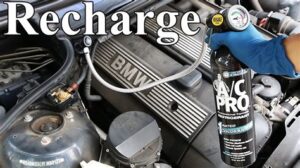
Impact Of A Bad Compressor On Your Vehicle’s AC Performance
The air conditioning compressor plays a crucial role in the overall performance of your vehicle’s AC system. When it starts to fail, the impact can be significant. Here are some of the key consequences of a bad compressor:
- Inconsistent Cooling: A failing compressor can lead to fluctuating temperatures in the cabin. You may experience hot air blowing intermittently, which can be particularly uncomfortable during hot weather.
- Odd Noises: Strange noises such as grinding or rattling can indicate that the compressor is struggling. This not only distracts from your driving experience but can also signal underlying issues within the AC system.
- Increased Fuel Consumption: A malfunctioning compressor may cause the engine to work harder, leading to poor fuel efficiency. As the compressor places extra strain on the engine, you might find yourself refueling more often than usual.
- Decreased AC Efficiency: When the compressor is not functioning properly, it can hinder refrigerant flow. This means that the AC system won’t effectively cool the air, making it less efficient at regulating cabin temperature.
- Potential Damage to Other Components: A bad compressor can cause further damage to other parts of the AC system, such as the condenser and the evaporator. Addressing the issue promptly can help avoid more extensive repairs down the line.
Understanding these signs your vehicle’s AC compressor may be failing is essential for maintaining a comfortable driving environment. If you notice any of these symptoms, it might be time to investigate further.
Steps To Take When You Notice These Warning Signs
If you begin to notice the Signs Your vehicle air conditioning compressor might be failing, it’s crucial to respond proactively. Here are the essential steps to take:
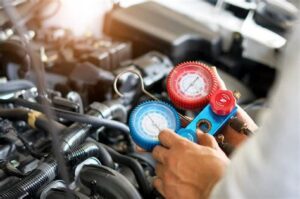
1. Check the AC Settings: Start by ensuring that your vehicle’s AC settings are correctly adjusted. Sometimes, a simple change to the temperature or fan speed can resolve minor issues.
2. Inspect for Visible Signs: Look under the hood for any visible leaks or damage around the compressor area. Oily spots can indicate refrigerant leaks, while cracks or breaks in the housing may point to severe wear.
3. Listen for Unusual Noises: Pay close attention to any strange sounds when you turn on your AC. Grinding, clunking, or squealing noises often suggest mechanical issues that may require immediate attention.
4. Monitor Performance: Keep track of how well your AC is functioning. If you notice reduced cooling efficiency or fluctuating temperatures, it may be time to act.
5. Check the Fuses: Sometimes, the issue might not be with the compressor itself but with a blown fuse. Inspect the fuse box and replace any damaged fuses that could affect the AC operation.
6. Consider Interim Solutions: If the compressor is functioning poorly, you may temporarily rely on the vehicle’s fan to circulate air until you can get it checked, but avoid using the AC system excessively to prevent further damage.
7. Schedule an Inspection: If the warning signs persist, it is advisable to schedule a comprehensive inspection by a qualified mechanic. Early intervention can prevent costly repairs.
8. Document Your Findings: Keep a record of any symptoms you’ve observed, including dates and specific details. This information can aid your mechanic in diagnosing the issue more accurately.
By taking these steps when you notice these warning signs, you can protect your vehicle’s air conditioning system and ensure a comfortable driving experience.
When To Seek Professional Help For Compressor Replacement
Recognizing the signs your vehicle’s air conditioning compressor is on the verge of failure is crucial for maintaining optimal climate control in your car. While some minor issues can be addressed with basic troubleshooting, there are specific scenarios where seeking professional help is imperative to avoid further damage and ensure your safety.
Here are key indicators that it’s time to consult a professional:
- Persistent Lack of Cooling: If your AC system remains ineffective despite attempts to recharge the refrigerant or minor repairs, it’s a clear sign that the compressor may be failing.
- Unusual Noises: Grinding, squealing, or clanking sounds coming from the AC system often indicate serious issues. These sounds are unlikely to resolve without professional intervention.
- Visible Leaks: Any signs of refrigerant leaks around the compressor or hoses suggest that the system is compromised and requires expert assessment.
- Frequent Breakdowns: If you find yourself frequently having to address issues with your AC system, it could be more cost-effective in the long run to have a professional evaluate the entire compressor rather than making repeated temporary fixes.
- Warning Lights: Dashboard warning signals, particularly those related to the AC system, should not be ignored. These alerts may require immediate professional diagnostics and repair.
When you notice any of these signs your compressor may need replacing, don’t hesitate to reach out to a certified technician. Their expertise can help prevent further complications, ensuring your vehicle’s AC operates effectively and reliably.
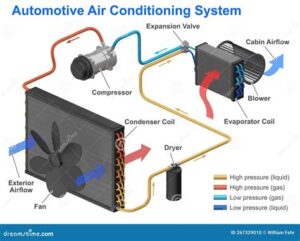
Frequently Asked Questions
What are common signs that indicate an air conditioning compressor is failing?
Common signs include reduced cold air output, unusual noises coming from the compressor, and visible oil leaks around the unit.
How can I check if my air conditioning compressor is working?
You can check by inspecting the compressor for any visible signs of damage or leaks, and listening for any unusual sounds. Additionally, feel the air coming from the vents; if it’s warm despite the AC being on, the compressor may be malfunctioning.
What could cause the air conditioning compressor to fail?
Causes of compressor failure can include lack of maintenance, low refrigerant levels, electrical issues, or wear and tear from age.
Is it safe to drive a vehicle with a failing air conditioning compressor?
While it may not immediately harm your vehicle’s operation, driving with a failing compressor can lead to further issues and potentially leave you without air conditioning altogether.
How much does it typically cost to replace an air conditioning compressor?
The cost of replacing an air conditioning compressor can vary widely depending on the vehicle make and model, but it generally ranges from $500 to $1,500 including parts and labor.
Can I replace the air conditioning compressor myself?
While it’s possible for experienced DIYers to replace the compressor themselves, it can be a complex and involved process. It’s often recommended to seek professional help to ensure proper installation and avoid damaging other components.
How can regular maintenance help prolong the life of my air conditioning compressor?
Regular maintenance, such as checking and recharging refrigerant levels, cleaning the condenser, and inspecting hoses and connections, can help prevent premature wear and issues that lead to compressor failure.