
Discover key signs of air conditioning issues, from unusual noises to refrigerant leaks and electrical failures. Learn when to seek professional AC repairs. As we transition into warmer months, ensuring that your vehicle’s air conditioning system is in optimal condition becomes essential for comfort and safety.
However, many drivers may overlook subtle signs that indicate their AC might need professional repair. From unusual noises to weak airflow, understanding these warning signals can save you from a sweltering ride and costly repairs later on.
In this article, we’ll explore the top signs that your vehicle’s air conditioning system is in distress, including the tell-tale signs of refrigerant leaks, inconsistent temperature levels, and electrical failures. Stay one step ahead of car troubles and keep your cool this summer by recognizing and addressing these critical indicators. Whether you’re an experienced driver or a new car owner, our detailed insights will help you maintain a comfortable driving experience.
Unusual Noises Indicating Air Conditioning Issues
When it comes to your vehicle’s air conditioning system, Top Signs of trouble can often be heard before they are felt. Unusual noises can serve as critical indicators that something is amiss, warranting immediate attention. Here are some sounds you should be listening for:
- Rattling or Clanging: If your AC unit produces a rattling or clanging sound, it might indicate loose parts or debris caught in the system. This not only affects performance but can also cause further damage if left unresolved.
- High-Pitched Squealing: A high-pitched squeal may suggest that the serpentine belt, which powers the AC compressor, is worn out. This sound may intensify as the AC is turned on and can lead to complete system failure if not addressed.
- Hissing or Bubbling: A hissing noise could indicate a refrigerant leak, while bubbling sounds may signify an issue with the AC’s compressor. Both of these problems can significantly affect cooling efficiency and require professional repair.
- Thumping: If you hear a thumping sound, it could mean that a foreign object is obstructing the fan blades or that the fan itself is unbalanced. This issue should be repaired promptly to avoid further complications.
Being aware of these unusual noises is essential in identifying Top Signs that your vehicle’s air conditioning needs repair. If you notice any of these sounds, it’s advisable to consult a qualified technician to prevent more extensive damage and costly repairs in the future.
Weak Airflow: A Key Sign of AC Problems
Experiencing top signs that your vehicle’s air conditioning system isn’t functioning optimally? Weak airflow is one of the clearest indicators that something is amiss. If you notice that the air coming through your vents is significantly less powerful than usual, it can be a telltale sign of underlying issues that require attention.

Several factors can contribute to weak airflow in your AC system:
- Clogged Air Filters: Over time, dust and debris can accumulate in your air filters, restricting airflow. Regular maintenance and filter replacements can alleviate this problem.
- Duct Blockages: Obstructions within the ducts can hinder air movement. Ensure there are no foreign objects or significant debris within the air ducts.
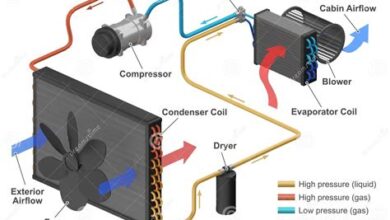
- Compressor Issues: The AC compressor is crucial for circulating refrigerant throughout your system. A malfunctioning compressor can drastically affect the airflow.
- Fan Problems: Both the blower fan and external fans play essential roles in maintaining airflow. If either fan isn’t functioning properly, it can lead to diminutive air output.
If you identify weak airflow in your vehicle, it’s essential to address it promptly. Ignoring this issue may lead to more severe complications down the road, potentially resulting in costly repairs. Regular inspections and proactive maintenance checks can help you catch these problems early and ensure your AC functions efficiently.
Top Signs of Refrigerant Leaks in Your AC
Identifying refrigerant leaks in your vehicle’s air conditioning system is crucial to ensure optimal performance and comfort. Here are some top signs that can indicate a refrigerant leak:
- Reduced Cooling Performance: If your AC is blowing warm air instead of cool, it may be a sign of insufficient refrigerant fluid, often caused by leaks.
- Visible Signs of Fluid Leak: Puddles or spots of oily fluid under your vehicle can be a clear indicator of refrigerant leaks. Look for oil-like stains in the areas around the AC unit.
- Hissing or Bubbling Sounds: Unusual sounds coming from your AC system, especially hissing or bubbling, could mean that refrigerant is escaping due to a leak in the system.
- Ice Formation on AC Components: If you notice ice buildup on the AC lines or components, it often indicates that low refrigerant levels are causing moisture to freeze, pointing to a leak.
- Frequent AC Cycling: If your air conditioning system frequently turns on and off, it could indicate a refrigerant issue, often linked to low levels resulting from a leak.
Recognizing these top signs early on can save you from more extensive repairs down the line, so it’s essential to keep an eye (and ear) out for these issues.
Inconsistent Temperature: A Warning for AC Repairs
Experiencing fluctuating temperatures from your vehicle’s air conditioning system can be incredibly frustrating. When your AC fails to maintain a consistent temperature, it may signal underlying issues that require prompt attention. Here are some common reasons you might encounter inconsistent cooling:

- Thermostat Malfunction: The thermostat plays a crucial role in regulating the temperature inside your vehicle. If it is faulty, it could lead to incorrect temperature readings, resulting in either too much or too little cool air.
- Compressor Problems: The compressor is responsible for circulating refrigerant and maintaining the desired temperature. If it is not functioning properly, this can lead to inconsistent cooling.
- Clogged or Damaged Evaporator: A clogged evaporator can restrict airflow and cause temperature fluctuations. Regular maintenance can help prevent these blockages.
- Refrigerant Issues: Low refrigerant levels can cause the AC to struggle, leading to inconsistent cooling. Checking for leaks and refilling refrigerant are essential steps to ensure optimal performance.
If you notice that the temperature in your vehicle’s cabin is not what you expect, it is one of the top signs that your air conditioning may need repair. Ignoring these symptoms could lead to more significant issues down the line, so it’s best to consult a professional mechanic as soon as possible.
How to Identify Electrical Failures in Your AC System
Electrical failures in your vehicle’s air conditioning system can lead to a variety of issues, often manifesting as symptoms that indicate a need for repair. Being aware of the top signs of electrical problems can help you address them before they lead to more significant damage or discomfort during hot weather.
Here are some key indicators to look for:
- Inconsistent Cooling: If your AC fails to cool the cabin evenly or turns on and off intermittently, it may indicate electrical issues or problems with the AC control unit.
- Blown Fuses: Frequent blown fuses related to the AC system can indicate an underlying electrical fault. If you notice this happening often, it’s a clear sign you need to investigate further.
- Strange Smells: Any burning or unusual smells emitted from the AC vents might indicate electrical shorts or overheating components, which require immediate inspection.
- Malfunctioning Blower Motor: If the blower motor isn’t running at all or makes a clicking sound, there could be an electrical issue affecting the motor’s performance.
- Dashboard Warning Lights: Modern vehicles are equipped with various warning lights. If your dashboard displays a warning light related to the AC system, it’s a sign you should take your vehicle to a professional.
Addressing top signs of electrical failures as soon as you notice them can prevent larger issues down the road. Regular maintenance and timely repairs can ensure your air conditioning system operates efficiently, providing comfort during those sweltering days.

Frequently Asked Questions
What are the common signs that indicate my vehicle’s air conditioning needs repair?
Common signs include weak airflow, strange noises when the AC is running, unpleasant odors, the AC not cooling adequately, and visible leaks or moisture inside the vehicle.
Why is my air conditioning system making strange noises?
Strange noises can indicate issues such as a failing compressor, worn-out fan belts, or debris caught in the AC system. It’s important to get these checked promptly to prevent further damage.
What should I do if my AC is not blowing cold air?
First, check if the AC settings are correct. If it still does not blow cold air, it may indicate low refrigerant levels or a faulty compressor. It’s best to have a professional inspect it.
How often should I get my vehicle’s air conditioning serviced?
It’s recommended to service your air conditioning system at least once a year, especially before the hot summer months, to ensure optimal performance.
Could unpleasant odors from the AC system indicate a problem?
Yes, unpleasant odors can indicate mold or mildew buildup in the system, or a refrigerant leak. Addressing these issues promptly can help maintain a healthy cabin environment.
What are some DIY checks I can perform on my AC system?
You can check the refrigerant levels, inspect the AC cabin air filter, and listen for unusual noises when the AC is running. However, for complex issues, it’s best to consult a professional.
What are the potential costs of repairing a vehicle’s air conditioning system?
Repair costs can vary widely depending on the issue and vehicle model, but minor repairs may range from $100 to $300, while major repairs like compressor replacement can cost $1,000 or more.