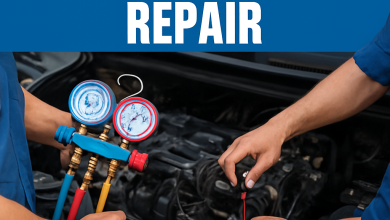

Explore common air conditioning issues in vehicles, understand their causes, and learn maintenance tips to keep your AC performing optimally. As the temperature rises, a functioning air conditioning system in your vehicle is essential for comfort and safety.
However, many drivers experience the frustration of a car AC that blows hot air when they need it most. Understanding the reasons behind this common issue can help you stay cool while on the road. In this article, we’ll explore the typical reasons your vehicle’s air conditioning might falter, including the importance of refrigerant levels and the AC compressor’s role in the cooling process.
We’ll also provide you with valuable signs that indicate your AC may need repair and essential preventive maintenance tips to avoid a hot air crisis. Stay tuned to ensure your vehicle remains a comfortable haven, no matter how high the mercury rises!
Common Reasons Why Your Vehicle Air Conditioning Fails
Understanding the reasons why your vehicle air conditioning might blow hot air can save you time and money. Here are some of the most common issues that may cause this frustrating problem:
- Low Refrigerant Levels: One of the primary reasons for insufficient cooling is low refrigerant. This can result from leaks in the system, leading to inadequate cooling performance.
- Faulty AC Compressor: The AC compressor is crucial for circulating refrigerant. If it fails, the entire air conditioning system may stop working efficiently, leading to the expulsion of hot air.
- Clogged or Dirty Condenser: The condenser removes heat from the refrigerant. If it becomes blocked by debris or dirt, heat can build up, preventing proper cooling.
- Electrical Issues: Problems with electrical components such as fuses, wiring, or relays can disrupt the AC system’s functionality, causing it to malfunction and produce hot air.
- Faulty Climate Control Controls: Sometimes, the issue lies with the vehicle’s controls or sensors, which may send incorrect signals regarding temperature settings, leading to hot air being blown into the cabin.
- Blocked Air Filters: A clogged cabin air filter can impede airflow and reduce the efficiency of the air conditioning system, resulting in inadequate cooling performance.
By identifying these common issues, you can take appropriate steps to ensure your vehicle’s air conditioning system operates optimally, preventing it from blowing hot air when you need it most.
How Refrigerant Levels Impact Your Air Conditioning Performance
The refrigerant is the lifeblood of your vehicle’s air conditioning system, playing a crucial role in its cooling efficiency. Understanding how refrigerant levels affect your AC performance is essential for diagnosing issues like hot air blowing from the vents.
When the refrigerant level is too low, your AC system cannot effectively remove heat from the air inside your vehicle, leading to warm or hot air blowing from the vents. This is often caused by leaks in the system, which can occur over time due to wear and tear, or damage to the AC components.
Conversely, if the refrigerant level is too high, it can also cause problems. Overcharging the system can lead to increased pressure, which might damage the AC compressor and other key components, further complicating your vehicle’s cooling capabilities.
To maintain optimal performance, it’s crucial to regularly check and refill refrigerant levels as necessary. A well-maintained refrigerant level ensures that your AC can effectively circulate cold air throughout your vehicle, keeping you comfortable during the hottest months.
Be proactive—if you notice your AC is not performing as it should, consider getting it checked. Understanding why your refrigerant levels matter can save you from more significant repair costs in the future.
The Role of the AC Compressor in Your Vehicle’s Cooling System
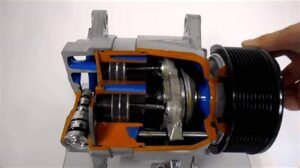
The AC compressor is a vital component of your vehicle’s air conditioning system, playing a crucial role in ensuring that your vehicle remains cool and comfortable during hot weather. Understanding how the AC compressor functions can shed light on why your vehicle’s air conditioning might blow hot air.
Essentially, the AC compressor is responsible for circulating refrigerant throughout the system. It compresses the refrigerant gas, raising its temperature and pressure, and then pumps it into the condenser. As the refrigerant passes through the condenser, it releases heat and transforms into a liquid. This liquid refrigerant is then diverted to the expansion valve, where it evaporates and absorbs heat from the cabin, ultimately cooling the air that is blown into the passenger compartment.
If the AC compressor is not functioning properly, the entire air conditioning system can fail to cool effectively. Common issues that may impact the compressor include:
- Lack of refrigerant due to leaks.
- Electrical issues, such as blown fuses or faulty wiring.
- Mechanical failures, which may include worn bearings or a locked-up compressor.
When experiencing problems with your vehicle’s air conditioning, it is essential to have your AC compressor inspected promptly. A malfunctioning compressor is often the reason why your vehicle’s air conditioning isn’t performing as it should.

Signs That Indicate Why Your Air Conditioning Might Need Repair
If your vehicle’s air conditioning is not functioning properly, there are several signs to look out for that may indicate it’s time for a repair. Understanding why your AC system is failing is crucial for preventing further damage and ensuring a comfortable ride.
- Warm Air Blowing: One of the most obvious signs is when your AC starts blowing warm air instead of cool. This could suggest a refrigerant leak or a failing compressor.
- Unusual Noises: If you hear strange sounds such as grinding or squealing when you turn on the AC, it may indicate that components like the compressor or the blower motor are failing.
- Bad Odors: A musty or moldy smell emanating from the AC vents can signify mold growth or stagnant water in the system, requiring cleaning or repair.
- Weak Airflow: If the airflow is weak or inconsistent, it could mean that the blower fan is malfunctioning or there are blockages in the vents or filters.
- Frequent Cycling: If the AC turns on and off frequently, this could mean the thermostat is malfunctioning or that there’s an issue with the refrigerant levels.
- Visible Leaks: If you notice any fluid pooling under your vehicle or around the AC components, it may indicate a refrigerant or other fluid leak.
- Dashboard Warning Lights: Pay attention to your vehicle’s dashboard warning lights. If the AC warning light is illuminated, it could point to underlying issues that need immediate attention.
By recognizing these symptoms early on, you can address the problems promptly and maintain the functionality of your vehicle’s air conditioning system. Taking action now can save you from more significant repairs down the line, ensuring you remain cool and comfortable while driving.
Preventive Maintenance Tips to Avoid Hot Air From Your AC
Maintaining your vehicle’s air conditioning system is crucial to ensure it consistently delivers cool air, especially during those hot summer months. Here are some preventive maintenance tips to help you avoid the frustration of receiving hot air instead of refreshing coolness:
- Regular Inspections: Schedule routine inspections of your AC system at least once a year. A technician can check refrigerant levels, compressor functionality, and identify any potential issues early.
- Replace Cabin Air Filter: A clogged cabin air filter can restrict airflow and reduce the efficiency of your AC system. It’s advisable to replace it every 12,000 miles or as directed in your vehicle’s owner manual.
- Run the AC Regularly: Even in cooler months, run your AC for about 10-15 minutes every few weeks. This helps keep the system lubricated and prevents seals from drying out.
- Check for Leaks: Regularly inspect your AC system hoses and components for any signs of leaks or damage. If you notice any, have them repaired immediately to avoid larger issues.
- Keep the Coils Clean: If you notice that your vehicle’s AC coils are dirty or blocked, it could hinder performance. Clean them to ensure proper airflow and cooling efficiency.
- Maintain Proper Refrigerant Levels: Monitor and maintain correct refrigerant levels in your system, as low levels can lead to poor cooling. Consider having a professional technician check it during your routine maintenance.
- Use the Correct Settings: Familiarize yourself with your vehicle’s AC settings. Using the recycled air option can be more energy-efficient and helps cool the cabin faster.
- Pay Attention to Unusual Sounds: If your AC starts making strange noises, it could indicate a problem. Addressing these sounds early can prevent further damage and maintain performance.
By actively engaging in these maintenance practices, you can reduce the chances of your AC system blowing hot air and ensure your driving experience remains comfortable. Your vehicle deserves careful attention, especially concerning its air conditioning system.
Frequently Asked Questions
What are common reasons for a vehicle’s air conditioning to blow hot air?
Common reasons include low refrigerant levels, a malfunctioning compressor, clogged condenser, or issues with the AC control system.
How can low refrigerant levels affect the air conditioning system?
Low refrigerant levels can lead to inadequate cooling, causing the air conditioning system to blow hot air instead of cold.
What signs indicate that the AC compressor might be failing?
Signs include strange noises when the AC is turned on, the system not engaging, or the blower running but not providing cool air.
Can a clogged cabin air filter cause hot air to blow from the AC?
Yes, a clogged cabin air filter can restrict airflow, preventing cold air from circulating effectively inside the vehicle.
What maintenance steps can prevent air conditioning issues in vehicles?
Regularly check and replace refrigerant, keep the condenser clean, change the cabin air filter as needed, and schedule regular AC system inspections.
Is it safe to drive a vehicle with a malfunctioning air conditioning system?
While it may be safe to drive, a malfunctioning AC can lead to discomfort, and in hot weather, it could affect your ability to maintain focus on the road.
When should I consider seeking professional help for my vehicle’s air conditioning?
If you notice consistent problems, such as hot air blowing despite using the system, unusual noises, or visible refrigerant leaks, it’s best to consult a professional.