Explore vehicle AC systems, key components, common issues, solutions, and maintenance tips for optimal cooling performance in cars. In the sweltering heat of summer, a well-functioning vehicle air conditioning (AC) system is not just a luxury; it’s a necessity.
Understanding the different components of vehicle AC systems is crucial for every car owner who wants to maintain optimal comfort and performance. This comprehensive guide will dive into the essentials, breaking down the basics of AC systems, highlighting key components, and explaining how each part contributes to cooling efficiency.
We’ll also explore common issues that may arise, providing practical solutions, and share regular maintenance tips to ensure your system runs smoothly. Whether you’re a seasoned car enthusiast or a casual driver, this article aims to equip you with the knowledge you need to keep your vehicle’s AC in top condition.
Understanding The Basics Of Vehicle AC Systems
Vehicle air conditioning (AC) systems are essential for maintaining comfort during hot weather, as they regulate the temperature and humidity inside the vehicle. A basic understanding of how these systems operate is crucial for recognizing their importance and ensuring proper maintenance.
At the core of the AC system is the understanding the refrigeration cycle, which primarily consists of four key processes: evaporation, compression, condensation, and expansion. The refrigerant, a special fluid, plays a significant role in facilitating these processes and acts as the medium through which heat exchange occurs.
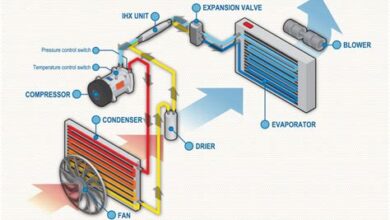
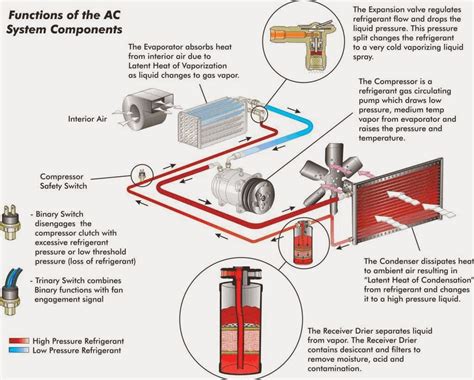
In the evaporation stage, the refrigerant absorbs heat from the cabin air as it evaporates from a liquid to a gaseous state, resulting in a cooler internal environment. The gaseous refrigerant is then compressed by the compressor, which raises its temperature and pressure. Following this, the hot, high-pressure gas moves to the condenser, where it releases heat to the outside air and transforms back into a liquid state. Finally, the liquid refrigerant passes through an expansion valve, reducing its pressure and temperature before returning to the evaporator to repeat the cycle.
Overall, understanding the operation of vehicle AC systems allows car owners to appreciate the importance of timely maintenance and repairs. This helps prevent common issues that may arise and ensures the efficiency of the cooling system, contributing to a pleasant driving experience even in the hottest conditions.
Key Components That Make Up An AC System
When it comes to Understanding The intricacies of vehicle AC systems, it’s essential to know the key components that play a crucial role in its performance. Here are the main components:
- Compressor: The heart of the AC system, the compressor pressurizes the refrigerant and circulates it through the system.
- Condenser: Located at the front of the vehicle, the condenser cools and condenses the refrigerant from a gas to a liquid, expelling heat in the process.
- Receiver/Drier: This component filters out moisture and contaminants from the refrigerant, ensuring it remains clean and efficient.
- Expansion Valve: The expansion valve regulates the flow of refrigerant into the evaporator, allowing the system to maintain proper pressure levels.
- Evaporator: Situated inside the cabin, the evaporator absorbs heat from the air inside the vehicle, cooling it before it is circulated back into the cabin.
- Blower Fan: The blower fan pushes air over the evaporator, helping to distribute the cool air throughout the vehicle.
Each of these components works in harmony to ensure optimal cooling within your vehicle’s cabin, making it vital to have a clear understanding of their functions when Understanding The overall AC system performance.
How Each Component Contributes To Cooling Efficiency
In order to achieve a comfortable cabin environment in vehicles, it is crucial to understand how each component of the AC system plays a part in optimizing cooling efficiency. Here’s a breakdown of the primary components and their contributions:

- Compressor: Often described as the heart of the AC system, the compressor circulates refrigerant throughout the system. By increasing the pressure of the refrigerant, it transforms low-pressure gas into high-pressure gas, which is essential for effective cooling.
- Condenser: Located at the front of the vehicle, the condenser dissipates heat absorbed by the refrigerant in the compressor. It converts the high-pressure gas back into a liquid state. This phase change is vital for enhancing cooling efficiency, as it allows the refrigerant to absorb heat from the cabin air.
- Evaporator: Situated inside the cabin, the evaporator is responsible for absorbing heat from the air inside the vehicle. As the liquid refrigerant passes through the evaporator coils, it evaporates into a gas, thus cooling the surrounding air before it is blown into the cabin.
- Expansion Valve: This component regulates the flow of refrigerant into the evaporator. By controlling pressure and temperature, the expansion valve ensures that refrigerant enters the evaporator in its optimal state for cooling, contributing to energy efficiency and performance.
Furthermore, the overall efficiency of the vehicle’s AC system greatly depends on proper installation, regular maintenance, and timely repairs. By ensuring that each component functions correctly, drivers can significantly enhance their cooling capacity while minimizing energy consumption. When considering understanding the various components and their roles, it becomes evident how they collectively facilitate a comfortable driving experience.
Common Issues In Vehicle AC Systems And Their Solutions
Vehicle AC systems are critical for providing comfort during hot weather, but they can encounter various issues that affect their performance. Understanding the common problems and their solutions can help you maintain a properly functioning AC system.
Here are some of the frequent issues you might face with your vehicle’s AC and their potential solutions:

- Insufficient Cooling: This can occur due to low refrigerant levels, a failing compressor, or a blocked condenser. Always start by checking the refrigerant; if it’s low, a recharge may be necessary. If the problem persists, inspect the compressor for any signs of wear or damage.
- Unpleasant Odors: Foul smells often indicate mold or bacteria growth in the AC system. To remedy this, clean or replace the cabin air filter, and consider using an antibacterial spray designed for vehicle AC systems.
- Noisy Operation: Unusual noises might indicate a failing compressor or loose components. Check for any loose screws or parts, and if the noise continues, consult a professional to evaluate the compressor’s condition.
- AC Blowing Hot Air: This can be caused by a malfunctioning thermostat, issues with the compressor, or even an electrical problem. Start by verifying that the thermostat is set correctly. If it’s functioning correctly, further inspection of electrical components or the compressor may be necessary.
- Frequent Cycling: If the AC is turning on and off excessively, this could indicate low refrigerant levels or a faulty pressure switch. It’s vital to address refrigerant levels first—add more if needed, or check for leaks if levels drop again.
By regularly assessing your vehicle’s AC system and addressing these common issues proactively, you can ensure optimal performance and a comfortable driving experience. Remember that understanding the root causes and solutions to these problems can save time and resources in the long run.
Regular Maintenance Tips For Optimal AC Performance
Ensuring that your vehicle’s AC system operates efficiently requires routine maintenance. Here are some essential tips to keep your AC system in top shape:
- Inspect and Replace Cabin Air Filters: Regularly check and replace your cabin air filter to ensure clean airflow and efficient cooling. A clogged filter can impede air circulation and reduce cooling performance.
- Check Refrigerant Levels: Keeping an eye on refrigerant levels is critical. Low refrigerant can hinder your AC system’s ability to cool effectively. If levels are low, have it checked for leaks and refill as needed.
- Schedule Professional AC Servicing: An annual inspection by a certified technician can catch potential issues before they escalate. Regular servicing helps identify problems in the compressor, condenser, and other critical components.
- Run Your AC Regularly: Even in colder months, run your AC for about 10-15 minutes once a month. This helps maintain the system’s components, prevents seals from drying out, and keeps the refrigerant circulating.
- Clean the Exterior Condenser: Ensure that the condenser, located at the front of your vehicle, is free from debris like leaves, dirt, and bugs. Keeping it clean allows for optimal airflow and better cooling efficiency.
By following these maintenance tips, you can enhance the performance of your vehicle’s AC system, ensuring you’re comfortable regardless of the weather. Remember, understanding the importance of these maintenance practices significantly contributes to prolonging the life of your AC system.

Frequently Asked Questions
What are the main components of a vehicle AC system?
The main components of a vehicle AC system include the compressor, condenser, evaporator, expansion valve, and the refrigerant.
How does the compressor function in the AC system?
The compressor acts as the pump of the AC system, compressing the refrigerant gas and circulating it through the system to facilitate heat exchange.
What role does the condenser play in vehicle air conditioning?
The condenser dissipates heat from the refrigerant, allowing it to change from a gas to a liquid state as it releases heat into the outside air.
What is the function of the evaporator in the AC system?
The evaporator absorbs heat from the cabin air, cooling it down as the refrigerant evaporates inside the coils.
What is the purpose of the expansion valve in the AC system?
The expansion valve regulates the flow of refrigerant into the evaporator and lowers its pressure as it enters, allowing it to evaporate and absorb heat.
What type of refrigerants are commonly used in vehicle AC systems?
Common refrigerants used in vehicle AC systems include R-134a and, more recently, R-1234yf, which is more environmentally friendly.
How can one maintain the AC system in a vehicle for optimal performance?
Routine maintenance includes checking refrigerant levels, cleaning or replacing cabin air filters, inspecting hoses and connections, and ensuring the condenser and evaporator are free of debris.