
Discover essential tips for vehicle A/C repairs, common mistakes to avoid, symptoms of issues, necessary tools, and the importance of routine maintenance for optimal performance. When it comes to repairing vehicle air conditioning systems, the stakes are high.
A well-functioning A/C is not only crucial for comfort during hot weather but also plays a role in the overall performance and longevity of your vehicle. However, many car owners inadvertently make common mistakes that can lead to costly repairs or ineffective solutions. In this article, we will explore the essential pitfalls to avoid when tackling A/C repairs.
From understanding the symptoms that signal trouble to identifying the must-have tools for effective repairs, we’ll equip you with the knowledge you need for a successful A/C overhaul. Additionally, we’ll discuss the impact of routine maintenance and share key insights to help ensure your air conditioning system operates smoothly for years to come. Read on to discover how to keep your cool and dodge those costly repair mistakes.
Understanding Common Mistakes To Avoid During Vehicle A/C Repairs
When it comes to vehicle air conditioning repairs, there are several mistakes to avoid that can lead to further complications and increased costs. Here are some of the most common errors that should be sidestepped during A/C repairs:
- Neglecting to Diagnose Properly: One of the biggest mistakes to make is jumping to conclusions without a thorough diagnosis. It’s crucial to use the right diagnostic tools to identify the root cause of the issue rather than making assumptions.
- Using Incorrect Refrigerant: Each vehicle has specifications for the type of refrigerant required. Using the wrong type can damage the A/C system and lead to expensive repairs, making it a notable mistake to avoid.
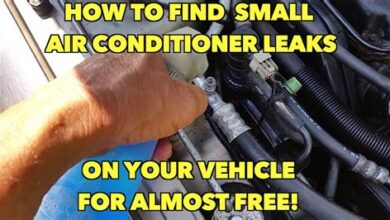
- Failing to Check for Leaks: Ignoring potential leaks is another common error. Before making repairs, it’s essential to check the system for leaks to ensure that the problem is resolved and will not return shortly after service.
- Overcharging the A/C System: Adding too much refrigerant is a frequent mistake that can cause the system to malfunction. Properly measuring and charging the system according to manufacturer specifications is vital.
- Ignoring Other System Components: A/C issues might stem from parts other than the compressor or evaporator. Overlooking components such as the condenser or expansion valve could result in incomplete repairs, making it one of the critical mistakes to avoid.
- Inadequate Cleaning of Components: Failing to clean A/C parts like the condenser or cabin air filter can diminish the system’s efficiency. Cleaning these components should be part of the repair process.
- Skipping Routine Maintenance: Overlooking scheduled maintenance checks can lead to small issues escalating into costly repairs. Implementing regular servicing helps prevent many common A/C failures.
By being aware of these common errors and taking the necessary precautions, you can help ensure your vehicle’s A/C system is repaired correctly and efficiently, avoiding costly and inconvenient problems down the line.
Identifying Symptoms That Indicate A.C. Issues Before Repairing
Recognizing the symptoms of an air conditioning issue early can save you time and money and help you avoid significant problems down the line. Here are some common indicators that your vehicle’s A/C might need attention:

- Weak airflow: If the air coming from the vents feels weak, it may indicate a problem with the blower motor or a blockage in the ducts.
- Unusual noises: Listen for any strange sounds, such as grinding or squealing, which could signify a failing component in the A/C system.
- Unpleasant odors: Foul smells can indicate mold buildup within the system, suggesting the need for a thorough cleaning.
- Inconsistent temperatures: If the A/C blows hot air intermittently, it may be due to low refrigerant levels or a malfunctioning thermostat.
- Leaking refrigerant: Puddles under your vehicle or a noticeable decrease in A/C performance could point to a refrigerant leak.
- Dashboard warning lights: If you see a check engine or A/C warning light, don’t ignore it; getting it checked out can prevent further issues.
Being aware of these symptoms can help you identify and address problems proactively, thus avoiding potential mistakes to repair your vehicle’s air conditioning system improperly. Addressing these signs early on can lead to better performance and a more comfortable driving experience.
Essential Tools To Have For Effective Air Conditioning Repairs
Having the right tools is crucial for efficiently diagnosing and repairing vehicle air conditioning systems. Utilizing appropriate equipment not only helps in avoiding mistakes to make during repairs but also ensures that the job is completed safely and effectively. Below is a list of essential tools that every mechanic or DIY enthusiast should have on hand for air conditioning repairs:
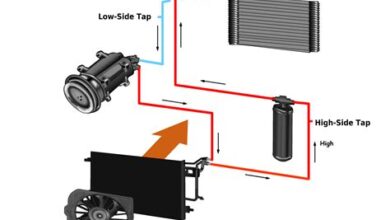
- Manifold Gauge Set: A manifold gauge set is essential for measuring the pressure of refrigerant in the system. It helps identify whether the A/C system is properly charged and reveals potential leaks.
- Refrigerant Recovery Machine: This tool is necessary for safely recovering refrigerant from the system before repairs take place, ensuring you’re compliant with environmental regulations.
- Electronic Leak Detector: An electronic leak detector offers a reliable way to pinpoint leaks in the A/C system quickly, which can save time and unnecessary repairs.
- Vacuum Pump: A vacuum pump is used to remove moisture and air from the A/C system, a vital step to avoid further mistakes to performance after service.
- Refrigerant Scale: This tool is used to accurately measure the weight of the refrigerant being added to the system, ensuring proper charging.
- Basic Hand Tools: Having a set of screwdrivers, wrenches, pliers, and socket sets will assist in disassembling the various components of the A/C system.
- Thermometer: A thermometer can help you measure the temperature of the air coming out of the vents, allowing you to evaluate A/C efficiency during the process.
- Safety Gear: Proper safety equipment, including goggles and gloves, is crucial to protect yourself from refrigerant exposure and potential injuries during repairs.
Equipping yourself with these essential tools will not only facilitate effective air conditioning repairs but also assist in avoiding common mistakes to make in the process. Ensuring you have the right equipment can lead to a more efficient repair experience and enhance the longevity of your vehicle’s air conditioning system.

The Impact Of Ignoring Routine Maintenance On A/C Performance
Ignoring routine maintenance is one of the most significant mistakes to avoid when it comes to ensuring your vehicle’s air conditioning system operates efficiently. Regular maintenance not only keeps your A/C system running smoothly but also helps prevent costly repairs down the road.
When routine maintenance is overlooked, several issues can arise:
- Decreased Efficiency: Over time, dirt and debris can accumulate within the A/C system, leading to reduced airflow. This inefficiency forces the system to work harder, resulting in poor cooling performance.
- Increased Wear and Tear: Without proper checks such as refrigerant level assessments or cleaning of the condenser, essential components may wear out prematurely, leading to more extensive damage.
- Higher Repair Costs: Neglecting minor issues can lead to major failures. Addressing small leaks or clogs promptly during routine maintenance can save you from significant expenses later.
- Unpleasant Odors: A lack of regular cleaning may result in mold and mildew build-up within the A/C system. This can lead to unpleasant odors that can affect your comfort while driving.
To ensure optimal A/C performance, schedule regular check-ups and servicing. A thorough inspection by a professional can help identify and rectify potential issues before they escalate into larger problems. Remember, maintaining your vehicle’s air conditioning system is crucial for a more comfortable ride and can enhance the overall lifespan of the unit.
Final Thoughts: Key Mistakes To Avoid For Lasting A/C Solutions
When it comes to vehicle air conditioning repairs, avoiding common pitfalls can make a significant difference in the longevity and efficiency of your system. Here are the mistakes to be mindful of to ensure your A/C performs optimally:
Firstly, be sure not to underestimate the importance of proper diagnosis. Skipping this step can lead to unnecessary repairs and costs. It’s essential to pinpoint the exact issue before diving into repairs.
Another crucial aspect is the use of substandard replacement parts. Opting for cheap components might save money upfront but can result in more significant problems down the road, negating any initial savings.
Additionally, neglecting routine maintenance and checks is a major mistakes to steer clear of. Regular inspections can uncover potential issues before they escalate, keeping your A/C running smoothly.
Remember not to rush the repair process. Take your time to ensure everything is done correctly. Hasty fixes can lead to oversights that may necessitate further repairs in the future.
By steering clear of these common mistakes to avoid, you can achieve lasting solutions for your vehicle’s air conditioning system, ensuring both comfort and reliability on the road.

Frequently Asked Questions
What are the common mistakes people make when diagnosing air conditioning issues?
One common mistake is not checking the vehicle’s manuals and specifications before troubleshooting, which can lead to misdiagnosis of the problem.
Why is it important to use the right tools when repairing vehicle air conditioning?
Using the appropriate tools ensures that the repairs are done correctly and safely, reducing the risk of damaging components and avoiding safety hazards.
What can happen if the refrigerant is overfilled during an AC repair?
Overfilling the refrigerant can lead to increased pressure in the system, causing leaks, compressor failure, or even damaging the entire AC system.
How can neglecting to replace the cabin air filter affect air conditioning performance?
Neglecting to replace the cabin air filter can restrict airflow, leading to poor cooling performance and putting additional strain on the AC system.
What is a critical step that should not be overlooked when repairing AC components?
Always remember to disconnect the battery before working on electrical components to avoid shocks or shorts.
Why is proper sealing important when replacing AC parts?
Ensuring proper sealing of components prevents refrigerant leaks, which can lead to inefficient cooling and costly repairs down the line.
What is the importance of testing the AC system after repairs are made?
Testing the AC system after repairs help confirm that everything is functioning correctly and allows you to catch any potential issues before they escalate.